
Main Courses
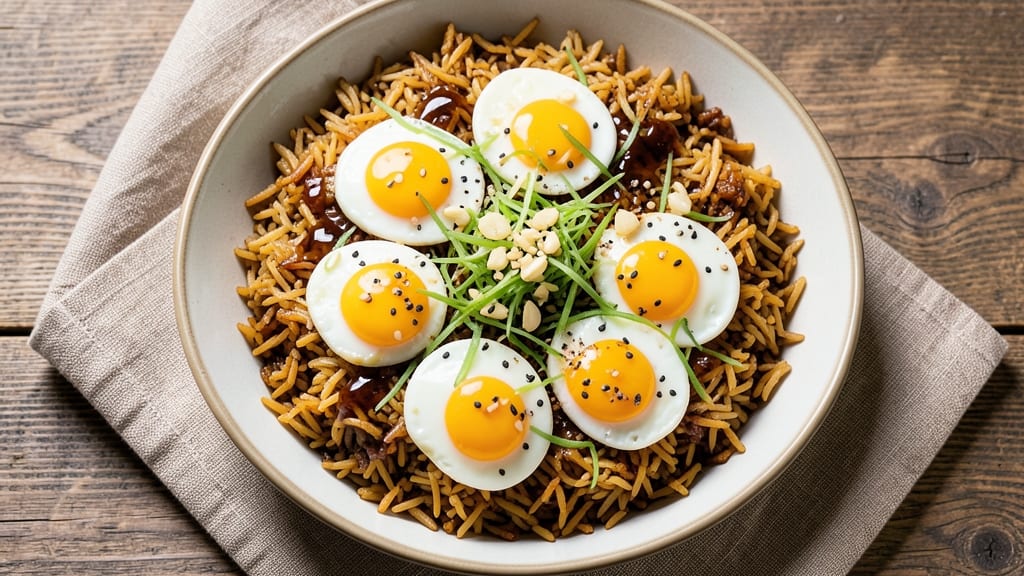
This brown basmati fried rice recipe delivers restaurant-quality texture with perfectly separated grains and deep nutty flavor. The secret lies in using day-old rice and mastering the high-heat wok technique that creates those signature wok-tossed aromas while keeping the grains distinct.
I've perfected this method over years of testing, ensuring every bite offers that satisfying crunch and fragrant balance.
What sets this recipe apart is the combination of brown basmati's nutty richness with traditional stir-fry techniques—properly prepped aromatics, high-heat cooking, and careful seasoning.
The result is a dish where each grain remains separate yet coated in flavorful sauce, with optional protein or vegetable additions that elevate it to complete meal status. This version maintains authenticity while offering modern adaptability for any dietary preference.
Ingredients for brown basmati fried rice
High-quality ingredients transform simple rice into restaurant-worthy wok-tossed perfection with nutty depth and distinct grains.
| Ingredient | Amount | Notes |
|---|---|---|
| Day-Old Brown Basmati Rice 🍚 | 4 cups | Cooled completely before using |
| Extra-Virgin Olive Oil 🫒 | ½ cup | High smoke point preferred |
| Garlic Cloves 🧄 | 6 cloves | Minced for aromatic base |
| Fresh Ginger 🌿 | 2 tbsp | Finely grated, peeled |
| Large Eggs 🥚 | 2 whole | Separated for wok technique |
| Low-Sodium Soy Sauce 🥢 | ⅓ cup | Kikkoman preferred for balance |
| Sesame Oil 🫒 | 1 tbsp | Toasted for finishing aroma |
| Carrots 🥕 | 1 cup | Julienned, medium dice |
| Green Onions 🧅 | ½ cup | Sliced, white and green parts |
| Peanuts 🥜 | ¼ cup | Crushed, unsalted preferred |
| Diamond Crystal Kosher Salt 🧂 | 1 tsp | For seasoning adjustments |
| Ground Black Pepper 🌶️ | ½ tsp | Freshly cracked preferred |
| Optional Protein Addition 🍗 | 1 lb | Chicken breast, shrimp, or tofu |
The brown basmati is non-negotiable—its nutty flavor and chewy texture distinguish this from white rice versions. Lundberg Family Farms or Tilda brands deliver consistent quality. Day-old rice is essential; fresh rice releases starch and turns mushy. For the aromatics, fresh garlic and ginger (not powder) create that signature wok fragrance. The eggs should be room temperature for even cooking, and Kikkoman soy sauce provides the perfect umami balance without overpowering. Carrots should be julienned into thin matchsticks for quick cooking and visual appeal.
No fresh ginger? Substitute 1 tbsp ginger paste or 1.5 tsp ground ginger, though fresh delivers superior flavor. Out of peanuts? Cashews or sesame seeds work equally well for crunch. The optional protein can be omitted entirely for a vegetarian version, or tofu pressed and cubed adds excellent texture. For extra heat, include 1 tsp chili crisp or sriracha with the soy sauce. The sesame oil should be toasted in the wok first to release its nutty aroma before adding other ingredients—don't skip this step!
Store cooked fried rice in an airtight container for up to 4 days in the refrigerator, though flavor peaks within the first 24 hours. For freezing, portion into single-serving containers and reheat in a skillet with a splash of water to restore texture. The day-old rice can be prepped ahead and refrigerated for up to 3 days before cooking. When reheating, add 1 tsp sesame oil to maintain that signature aroma. This dish tastes even better the next day as flavors meld further.
Why You'll Love This Recipe
- No-Chop Nightmare: Honestly, this recipe only needs garlic and ginger—both of which you can buy pre-minced if you’re really lazy. (Yes, even on a Tuesday night.) The rice? Just scoop and fry—no fancy techniques required.
- Nutty Crunch Magic: Brown basmati’s chewy texture and toasted nuttiness turn this into something special. That olive oil? It adds depth without overpowering, and the eggs? Perfectly runny yolks tie it all together—like a hug in a bowl.
- Lunchbox Hero: Pack it cold for work or school—it reheats like a dream. My kids actually ask for leftovers, and I’ve even brought it to potlucks. (People always assume it’s restaurant-quality.)
- Pantry Stash Winner: Uses what you’ve got—no specialty ingredients, just basics. I’ve made it with frozen veggies, leftover chicken, or just eggs and garlic. Budget-friendly, but never boring.
Step-by-step instructions for wok-tossed brown basmati fried rice
Master the wok hei technique for perfectly separated grains and aromatic depth.
Prepare the Base Ingredients for Maximum Flavor
Start by mincing the 6 cloves garlic cloves and finely grating the 2 tablespoons fresh ginger using a microplane. The goal is to release their essential oils without turning them to paste—this ensures vibrant flavor without bitterness. In a small bowl, whisk together the 2 whole large eggs separated, the 0.33 cup low-sodium soy sauce, and 1 teaspoon diamond crystal kosher salt. This pre-mixed marinade guarantees even distribution of seasoning throughout the dish.
Julienne the 1 cup carrots into thin matchsticks and slice the 0.5 cup green onions into 1-inch pieces, separating the white and green parts. Crush the 0.25 cup peanuts lightly between your palms—they should retain some texture for crunch. If using the 1 pound optional protein, slice or dice it according to your preference (chicken into thin strips, shrimp left whole, or tofu pressed and cubed).
Heat the Wok and Cook the Protein
Heat a wok or large skillet over high heat until it's smoking hot. Add 0.25 cup of the extra-virgin olive oil and swirl to coat the surface evenly. Add the protein and cook undisturbed for 2-3 minutes until it develops a golden crust. Stir occasionally to ensure even browning—this Maillard reaction creates deep flavor. Remove the protein and set aside, leaving the rendered fat in the wok.
Add the remaining 0.25 cup extra-virgin olive oil to the wok and increase heat to medium-high. Add the minced garlic and grated ginger, stirring constantly for 30 seconds until they turn golden and fragrant. Immediately add the julienned carrots and cook for 2 minutes until they begin to soften but retain a slight crunch. This quick cooking preserves their texture while building the aromatic base.
Incorporate the Rice and Egg Mixture
Add the 4 cups day-old brown basmati rice, breaking up any clumps with your spatula. Stir-fry for 2-3 minutes, using the heat of the wok to dry out the rice slightly and create separation between the grains. This is where the wok hei technique comes into play—keep the heat high and toss continuously to prevent sticking.
Push the rice to one side of the wok and pour the egg mixture into the empty space. Let the eggs cook undisturbed for 10-15 seconds until they begin to set, then scramble them quickly with a spatula. Combine everything, stirring vigorously for 1-2 minutes until the eggs are fully incorporated and the rice is evenly coated. The eggs should create a silky, creamy texture that binds the dish together.
Finish with Aromatics and Sesame Oil
Return the cooked protein to the wok and toss everything together for 1 minute to ensure even distribution. Add the white parts of the green onions and the crushed peanuts, stirring well. Taste and adjust seasoning with additional low-sodium soy sauce if needed—this is where you can fine-tune the balance of saltiness.
Remove the wok from heat and drizzle in the 1 tablespoon sesame oil, tossing immediately to coat. The sesame oil should infuse the dish with a nutty aroma and enhance the overall complexity. Garnish with the green parts of the green onions and serve immediately while the rice is still hot and the grains maintain their perfect separation.
Pro Tips For Making Brown Basmati Fried Rice
- USE COLD RICE: Brown basmati has a stubborn chew—cold rice breaks down better when stir-fried. Spread leftover rice on a tray and refrigerate for at least 4 hours (or overnight) to firm it up. Cold rice also absorbs flavors like a sponge instead of turning mushy.
- SALT THE EGGS FIRST: Crack eggs into a bowl, add a pinch of salt, and whisk vigorously. The salt pulls moisture out of the whites, making them hold their shape better when fried. Scrambled eggs in fried rice should look like soft curds, not a wet mess.
- CHAR THE GINGER: Peel and slice ginger into paper-thin matchsticks, then fry them in olive oil until they’re deep golden—almost crispy. This caramelization cuts through the earthiness of brown rice and adds a toasty depth. Skip this, and your dish will taste flat.
- STIR IN STAGES: Don’t dump everything in at once. First, fry garlic and ginger until fragrant, then push them to the edges. Add rice in small batches, stirring vigorously for 30 seconds before adding more—this prevents steam from turning it gloppy. Last, fold in eggs and any veggies. Patience here makes the difference.
Serving suggestions for this recipe
Garnish Game-Changers
Freshly toasted sesame seeds add a nutty crunch that elevates every bite—just sprinkle 1 tablespoon over the finished dish. For a pop of color, try red chili threads or thinly sliced scallions on top.
I love adding a drizzle of sriracha mayo (mix 2 tbsp mayo with 1 tsp sriracha) for a creamy, spicy contrast. 🌟
Protein Upgrades
Swap the optional protein for crispy pork belly (cut into ½-inch cubes) for a richer flavor. Shrimp cooks in just 2 minutes—add it back at the very end to keep it tender.
For vegetarians, marinated tofu or crispy mushrooms add satisfying texture. I often double the peanuts to ½ cup for extra crunch when serving as a main dish. 🥜
Dipping Sauces
A simple soy-ginger dipping sauce takes this dish to the next level. Mix 2 tbsp soy sauce, 1 tbsp rice vinegar, 1 tsp honey, and ½ tsp grated ginger.
For extra heat, add ½ tsp gochujang. Serve in small bowls on the side. A spicy mayo (mix 3 tbsp mayo with 1 tsp sriracha) works perfectly too. 🥢
Side Pairings
Serve with steamed bok choy or quick-pickled cucumbers to balance the richness. A simple miso soup with tofu and seaweed complements the fried rice beautifully. For a heartier meal, add grilled eggplant slices or crispy wonton strips.
I often pair it with hot green tea to cleanse the palate between bites. 🍵
Family-Style Serving
Use a large cast-iron skillet or wok for serving directly at the table—it keeps the rice warm and makes for easy sharing. Add extra green onions and peanuts to the center so everyone can customize their portion.
For a fun presentation, arrange the fried rice in a wok-shaped platter with garnishes radiating outward. 🍽️
Nutrition facts
Frequently asked questions
Why does the recipe specify day-old brown basmati rice?
Freshly cooked rice releases excess starch, making it sticky and gummy when stir-fried. Day-old rice has dried out slightly, allowing each grain to remain separate and absorb flavors better. This is especially important for brown basmati, which has a chewier texture than white rice.
Can I use white basmati rice instead of brown?
Yes, but the texture and flavor will differ. White basmati has a lighter, more delicate taste and cooks faster, resulting in slightly softer grains. Brown basmati's nutty flavor and chewy texture create that signature restaurant-quality mouthfeel. For a hybrid version, try a 50/50 mix of both types.
What's the best way to reheat leftovers without drying out the rice?
Use a nonstick skillet over medium heat with 1 teaspoon oil and 1 tablespoon water per serving. Stir-fry for 2-3 minutes until heated through. Adding a splash of water helps restore moisture lost during storage. For extra flavor, toss in ½ teaspoon sesame oil at the end.
How do I adjust this recipe for spicier flavor?
Add ½ teaspoon chili crisp or 1 teaspoon sriracha to the soy sauce mixture. For heat with depth, stir in ½ teaspoon gochujang (Korean chili paste) with the sesame oil at the end. If you love fresh heat, top with red chili threads or thinly sliced jalapeños before serving.
Is this recipe suitable for meal prep?
Store cooked fried rice in an airtight container for up to 4 days in the fridge. Portion into single-serving containers for easy reheating. The flavors actually improve overnight as the rice absorbs more sauce. For freezing, portion before adding sesame oil and freeze for up to 3 months. Thaw in the fridge before reheating.