
Main Courses
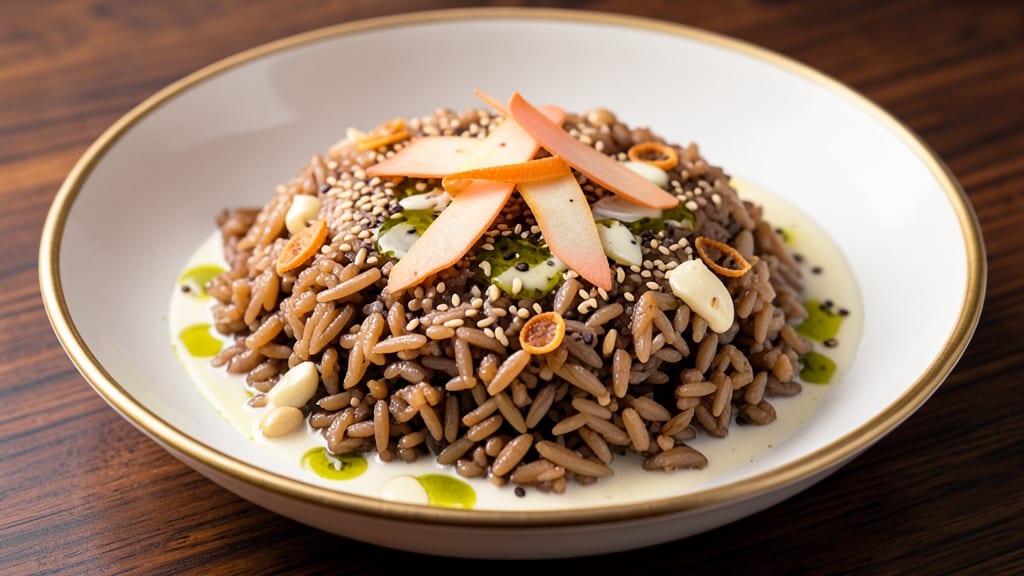
This brown jasmine rice with coconut milk recipe transforms ordinary grains into a fragrant, creamy side dish that tastes like a tropical vacation. The secret lies in a simple one-pot method where coconut milk infuses the rice with natural sweetness and rich aroma, creating a texture that's tender yet satisfying.
I've perfected this technique to deliver restaurant-quality results without requiring special equipment.
What sets this dish apart is the balance of nutty brown rice and velvety coconut milk, which creates a harmonious blend of earthy and tropical flavors. The rice absorbs the coconut milk perfectly, resulting in grains that are moist, aromatic, and packed with subtle sweetness.
Whether served as a side for curries or as a standalone main course, this dish brings a touch of sophistication to any meal.
Ingredients for brown jasmine rice recipe coconut milk
Fragrant brown jasmine rice meets velvety coconut milk for a tropical-inspired one-pot masterpiece.
| Ingredient | Amount | Notes |
|---|---|---|
| Long-Grain Brown Jasmine Rice 🌾 | 1 cup | Unrinsed for optimal texture |
| Full-Fat Coconut Milk 🥥 | 13 ½ oz | Canned, for rich creaminess |
| Water 💧 | 1 ½ cups | Room temperature preferred |
| Extra-Virgin Olive Oil 🫒 | 1 tbsp | For subtle fruity aroma |
| Fresh Ginger 🌿 | 1 tbsp | Finely grated, aromatic |
| Garlic Cloves 🧄 | 2 cloves | Minced, for aromatic depth |
| Diamond Crystal Kosher Salt 🧂 | ½ tsp | Adjusts seasoning perfectly |
| Lime Zest 🍋 | 1 tsp | Brightens tropical flavors |
| Fresh Cilantro 🌿 | ¼ cup | Chopped, for fresh finish |
| Toasted Coconut Flakes 🥥 | 2 tbsp | Garnish, for crunch |
| Ground White Pepper 🌶️ | ¼ tsp | Subtle peppery note |
The coconut milk is non-negotiable here—full-fat canned delivers that luxurious creaminess. Thai Kitchen or Goya brands work perfectly, but avoid the light version. Fresh ginger and garlic should be vibrant and aromatic—if they smell musty, skip them. Whole Foods or Asian markets carry the best quality. For the rice, jasmine varieties from Lundberg or Uncle Ben's ensure that signature floral aroma. Toast your coconut flakes in a dry pan for 30 seconds—they'll add a nutty crunch that elevates the dish.
No fresh ginger? Substitute 1 teaspoon ground ginger but expect less complexity. Light coconut milk? Mix equal parts full-fat and light for a compromise. The lime zest can be swapped for lemon zest, though lime's brightness is ideal. Diamond Crystal kosher salt is preferred—it dissolves more easily than table salt. For a nutty depth, add 1 tablespoon toasted sesame oil with the olive oil. The cilantro is optional but recommended—stems included for extra flavor. If you prefer no cilantro, fresh basil works as a substitute.
This rice keeps beautifully—reheats perfectly with a splash of water or coconut milk. Store in an airtight container for up to 5 days in the fridge. For longer storage, freeze portions for up to 3 months. The coconut milk can be reduced after cooking for a thicker consistency, though the original recipe yields creamy, clingy grains. Garnish with extra lime zest or a drizzle of coconut cream before serving for restaurant-quality presentation.
Why You'll Love This Recipe
- No-Simmer Struggle: I swear by this method—just layer the rice, coconut milk, and water, then let the rice cooker do its magic. No watching the pot, no burnt bottoms, no stress. Between us, I’ve ruined enough rice to know this is the only way.
- Creamy Nutty Magic: That full-fat coconut milk? It turns this rice into something luxurious—rich, fragrant, and just slightly sweet. Honestly, I’ll take a bowl of this over plain white rice any day, especially when the ginger adds that bright little kick.
- Lunchbox Hero: Cold or reheated, this rice holds up perfectly for packed lunches. My kids actually eat their leftovers—yes, even the picky ones—because it’s got that satisfying chew and flavor that makes it feel like a treat, not a sad desk meal.
- Budget Luxury: Brown jasmine rice is cheaper than white, and coconut milk stretches further than you’d think. I’ll be real: this recipe feels like a fancy restaurant side, but my wallet doesn’t even flinch. (Yes, even on a Tuesday night.)
Step-by-step instructions for coconut-infused brown jasmine rice
Transform simple ingredients into fragrant, creamy rice with this one-pot method.
Sauté Aromatics in Olive Oil
Heat the 1 tablespoon extra-virgin olive oil in a medium saucepan over medium heat. Add the 1 tablespoon finely grated fresh ginger and 2 minced garlic cloves, stirring constantly for 30-45 seconds until fragrant but not browned. This step builds the aromatic foundation—ginger and garlic should smell deeply aromatic without any bitterness.
Watch the pan carefully; garlic burns quickly. If it starts to darken, reduce heat slightly. The oil should shimmer around the aromatics, indicating proper heat control. This light cooking preserves their bright flavors while preventing harsh, bitter notes that can overpower the delicate coconut milk.
Toast the Rice for Nuttiness
Add the 1 cup unrinsed long-grain brown jasmine rice to the pan and stir to coat evenly in the oil and aromatics. Increase heat to medium-high and toast the rice for 2-3 minutes, stirring frequently. You'll notice the rice begins to take on a slightly deeper color and releases a nutty aroma—this is the Maillard reaction at work, developing complex flavors.
Don't skip this step—proper toasting enhances the rice's natural nuttiness and prevents a bland final product. The rice should look slightly glossy and smell toasted, not burnt. If it starts to stick, reduce heat immediately and stir more gently. This ensures even cooking and prevents scorched bits.
Add Liquids and Seasonings
Pour in the 13.5 oz full-fat coconut milk and 1.5 cups room-temperature water, stirring well to combine. Add the 0.5 teaspoon diamond crystal kosher salt, 1 teaspoon lime zest, and 0.25 teaspoon ground white pepper. The lime zest will brighten the dish immediately, adding a citrusy tang that cuts through the richness of the coconut.
Bring the mixture to a gentle boil over medium-high heat, then immediately reduce heat to low. The liquid should simmer steadily—you'll see small bubbles forming at the edges but not a rolling boil. This controlled simmer prevents the rice from becoming mushy while allowing the coconut milk to infuse fully. Cover the pan with a tight-fitting lid.
Simmer Until Tender and Fluffy
Simmer the rice for 35-40 minutes without lifting the lid. The rice needs time to absorb the coconut milk and water completely, developing that signature creamy texture. About 20 minutes into cooking, check the rice—it should be tender but still have a slight bite. If the liquid has mostly disappeared but the rice feels undercooked, add 2 tablespoons water and continue cooking.
After 35 minutes, perform the fork test: insert a fork into the center. The grains should be tender with a slight resistance, and the rice should hold its shape when pressed gently. If it's still firm, cook another 5 minutes. The rice should be creamy but not mushy, with the coconut milk fully incorporated into each grain.
Rest, Garnish, and Serve
Remove the pan from heat and let the rice rest, covered, for 10 minutes. This resting period allows the steam to redistribute, ensuring even moisture throughout. After resting, fluff the rice gently with a fork, then transfer it to a serving dish. Garnish with 0.25 cup chopped fresh cilantro and 2 tablespoons toasted coconut flakes for texture and visual appeal.
Serve immediately while still warm. The rice should be fragrant with coconut and lime notes, creamy yet distinct in each grain, and perfectly seasoned. The toasted coconut flakes add a delightful crunch that contrasts beautifully with the soft rice. Pair with grilled fish, curries, or as a standalone side dish. The lime zest and white pepper ensure each bite is vibrant and well-balanced.
Pro Tips For Making Brown Jasmine Rice Recipe Coconut Milk
- Rinse Until Clear: Brown jasmine rice clings like glue if you skip this—give it 3-4 vigorous rinses in cold water until the water runs nearly clear. I learned this the hard way when my first batch turned into a sticky, uneven mess. Drain well afterward, or the coconut milk will turn to soup faster than you can say "burnt rice."
- Toast the Rice First: Dry-toast the rinsed rice in olive oil over medium heat for 2-3 minutes until lightly golden and fragrant. This isn’t just about nuttiness—it prevents the rice from turning mushy when the coconut milk gets added later. (Yes, even if you’re impatient like me, don’t rush this part.)
- Simmer, Don’t Boil: Once you add the coconut milk and water, reduce to the lowest simmer possible—barely a bubble should break the surface. I used to crank the heat, and the rice would either stay crunchy or turn to paste. A gentle simmer keeps the texture chewy and the coconut flavor rich without curdling.
- Grate Ginger Fine: Skip the pre-grated jar—fresh ginger loses its punch fast. Use a microplane or the smallest holes on a box grater, then let it sit in the warm coconut milk for 5 minutes before adding the rice. This infuses the flavor deep instead of settling on top like a sad garnish. (Your future self will notice the difference.)
Flavor customization for these flavors
Sweet & Spicy Twist
Add 1 teaspoon chili powder and ½ teaspoon brown sugar when sautéing the aromatics for a sweet-spicy balance. The sugar caramelizes slightly, deepening the coconut flavor while the chili powder adds warmth. I love finishing with a sprinkle of crushed red pepper flakes for extra heat. 🌶️
Herb-Infused Variations
Swap the cilantro for fresh Thai basil or mint leaves to create an aromatic Southeast Asian-inspired dish. For a Mediterranean twist, use fresh dill and garnish with toasted pine nuts instead of coconut flakes. The herbs should be added fresh after cooking to preserve their vibrant flavors.
Citrus Zest Upgrade
Boost the brightness by adding ½ teaspoon orange zest along with the lime zest. The citrus oils enhance the coconut's natural sweetness while adding complexity. For a tropical touch, finish with a few drops of orange blossom water—it's subtle but adds a floral note reminiscent of Thai desserts.
Smoky Depth Option
Infuse the coconut milk with smokiness by simmering it with ½ teaspoon smoked paprika or a pinch of liquid smoke before adding it to the rice.
This works especially well with grilled meats or hearty stews. Just be sure to use a high-quality liquid smoke like Morton's to avoid overpowering the dish.
Creamy Coconut Rice Pudding
Transform this into a dessert by adding ½ cup sweetened condensed milk and 1 teaspoon vanilla extract at the end of cooking. Let it cool slightly, then chill for 2 hours before serving with toasted coconut flakes and a drizzle of dark chocolate sauce.
The texture becomes rich and pudding-like, perfect for a tropical-inspired treat.
Spiced Coconut Rice
Add ½ teaspoon ground cardamom and ¼ teaspoon cinnamon when sautéing the aromatics for a fragrant, spiced variation. These warm spices complement the coconut beautifully and pair wonderfully with curries or spiced meats.
For extra depth, toast the spices in the oil for 10 seconds before adding the rice to release their aromatic oils. ✨
Nutrition facts
Frequently asked questions
Why do you use brown jasmine rice instead of white?
Brown jasmine rice adds a delightful nutty depth and chewy texture that white rice can't match. The bran layer gives it a heartier bite while absorbing the coconut milk beautifully, creating a more complex flavor profile. Plus, it's a whole grain option that's more nutritious!
Can I substitute light coconut milk for full-fat?
You can try, but expect a less creamy result. Full-fat coconut milk gives that luxurious texture and rich flavor. For a compromise, mix equal parts full-fat and light coconut milk, but the rice may be slightly drier. The flavor difference is noticeable, so stick with full-fat for best results.
How do I prevent the rice from becoming mushy?
Never lift the lid while cooking, and maintain a gentle simmer—not a rolling boil. The rice needs time to absorb the coconut milk gradually. If you check early, add just 2 tablespoons water instead of peeking repeatedly. Proper toasting of the rice before adding liquids also helps maintain texture.
Can I make this in an Instant Pot or rice cooker?
For an Instant Pot, use the same ingredients but cook on high pressure for 10 minutes, then natural release for 10 minutes. In a rice cooker, follow the same steps but reduce the water slightly to 1 cup instead of 1.5 cups. Both methods work beautifully—just monitor the rice closely for doneness.
What's the best way to store leftovers?
Store in an airtight container in the fridge for up to 5 days. Reheat with a splash of water or coconut milk to restore creaminess. For longer storage, freeze portions for up to 3 months. Thaw overnight in the fridge before reheating. The rice reheats beautifully with minimal texture changes.