
Side Dishes
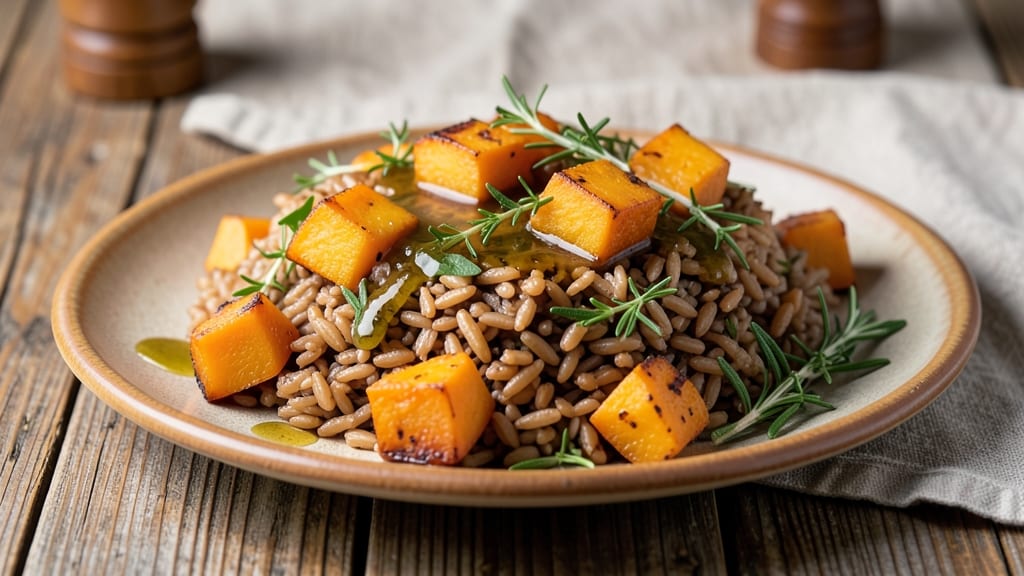
This brown rice and butternut squash recipe transforms simple ingredients into a hearty, flavor-packed vegetarian meal that feels like a restaurant-worthy dish. The secret lies in roasting the squash until caramelized and tender while toasting the rice with warm spices—creating layers of flavor that balance perfectly together.
What makes this recipe stand out is how effortlessly it comes together in one pan, yet delivers restaurant-quality depth.
The result is a dish where nutty brown rice meets sweet, spiced butternut squash, all enhanced by aromatic herbs and warm spices. The textures are ideal—creamy squash paired with chewy rice—while the seasoning ensures every bite is satisfying.
Perfect for weeknight dinners or meal prep, this recipe proves you don’t need meat to create a filling, flavorful plate. Ready to elevate your side dish game?
Ingredients for brown rice and butternut squash
Elevate simple pantry staples with this vegetarian one-pan masterpiece.
| Ingredient | Amount | Notes |
|---|---|---|
| Long-Grain Brown Rice 🌾 | 1 cup | Uncooked, rinsed thoroughly |
| Butternut Squash 🎃 | 2 lb | Peeled, cubed (1-inch pieces) |
| Vegetable Broth 💧 | 2 cups | Low-sodium preferred |
| Extra-Virgin Olive Oil 🫒 | ½ cup | For roasting and seasoning |
| Fresh Thyme Leaves 🌿 | ¼ cup | Stems removed, chopped |
| Fresh Rosemary 🌿 | ¼ cup | Chopped, stems removed |
| Ground Cinnamon 🌶️ | ½ tsp | Freshly ground preferred |
| Ground Nutmeg 🌶️ | ¼ tsp | Freshly grated for warmth |
| Ground Ginger 🌶️ | ½ tsp | Freshly ground for depth |
| Garlic Cloves 🧄 | 4 cloves | Peeled, thinly sliced |
| Diamond Crystal Kosher Salt 🧂 | 1 ½ tsp | Adjust to taste |
| Black Peppercorns 🌶️ | ½ tsp | Freshly cracked |
| Fresh Sage Leaves 🌿 | ¼ cup | Chopped, for garnish |
| Toasted Pecans 🌰 | ¼ cup | Chopped, for garnish |
The butternut squash is the star here—look for firm, heavy squash with no soft spots at the market. Whole Foods or local farmers' markets often carry the sweetest varieties, but any standard grocery store squash works if it's fresh. Peeled and cubed evenly, it roasts into caramelized perfection. For the brown rice, jasmine or short-grain brown rice adds extra chewiness, but long-grain is classic. Rinse it thoroughly before cooking to remove excess starch. Fresh herbs like thyme and rosemary should be bright green and fragrant—wilted stems mean they've been sitting too long.
No fresh thyme? Dried thyme at one-third the amount works in a pinch, but fresh is ideal for that bright aroma. Substituting butternut squash? Sweet potatoes or acorn squash hold up well to roasting, though flavor will vary. For extra depth, toast the pecans and pecan oil together before adding to the dish. The spices—cinnamon, nutmeg, and ginger—are non-negotiable for that warm, aromatic profile. If you're short on time, pre-chop the squash and store it in the fridge for up to 3 days before roasting.
This dish reheats beautifully—store leftovers in an airtight container for up to 5 days or freeze for 3 months for meal prep. The flavors actually deepen overnight, making it perfect for lunches. For extra crunch, toast the pecans separately and sprinkle on top just before serving. If you're prepping ahead, roast the squash first and store it separately until ready to combine with the rice—this keeps the textures ideal.
Why You'll Love This Recipe
- One-Pot Magic: I swear by this when I’m too tired to wash pots. Toss everything—rice, squash, broth—into one deep skillet, cover it, and walk away. The thyme infuses into the broth while the squash caramelizes right alongside the rice, no stirring required.
- Thyme-Scented Comfort: That first whiff of thyme and olive oil hitting the pan? Pure cozy magic. The butternut squash turns tender with a subtle sweetness, while the brown rice soaks up the earthy, herby broth like a sponge. It’s the kind of dish that tastes even better the second day—if you can wait that long.
- Meal Prep MVP: Between us, this is my go-to for lunches all week. Cook a big batch, and it reheats beautifully—either straight from the fridge or microwaved. I’ll pack it in jars with a sprinkle of extra thyme, and suddenly I’ve got a week’s worth of effortless, nutritious meals without sacrificing flavor.
- Budget-Friendly Powerhouse: Brown rice and squash are pantry staples that won’t break the bank, and vegetable broth stretches this into a filling, satisfying dish. Honestly, I’ve made this for dinner when I was low on groceries, and no one ever complained—it’s that good. Plus, the leftovers keep for days, so you’re not wasting a thing.
Step-by-step instructions for sweetly spiced one-pan rice and squash
This method delivers perfectly tender brown rice and caramelized squash with aromatic spices in one efficient pan.
Sauté Aromatics Until Fragrant
Heat the 0.5 cup extra-virgin olive oil in a large, heavy-bottomed skillet over medium heat. Add the 4 cloves garlic cloves and cook for 1-2 minutes until they become golden and release their aroma. This is crucial—don't let them burn, as bitter flavors will overpower the dish.
Next, add the 0.25 cup chopped fresh rosemary, 0.25 cup chopped fresh thyme leaves, 0.5 tsp ground cinnamon, 0.25 tsp ground nutmeg, 0.5 tsp ground ginger, 1.5 tsp diamond crystal kosher salt, and 0.5 tsp cracked black peppercorns. Stir continuously for 30 seconds until the spices bloom and fill your kitchen with their warm, earthy scent. The spices should be evenly distributed and visibly coated in the oil.
Roast the Butternut Squash Until Caramelized
Increase the heat to medium-high and add the 2 lb peeled and cubed butternut squash in a single layer. Cook undisturbed for 8-10 minutes, allowing the squash to develop a deep golden-brown crust. Stir occasionally, but resist the urge to move it too frequently—this creates the perfect caramelization.
Once the squash is golden and tender when pierced with a fork, reduce the heat to medium-low and sprinkle with 0.25 cup chopped fresh sage leaves. Stir gently to combine, letting the sage infuse its piney aroma into the squash. The squash should be soft enough to break apart easily but still hold its shape slightly—this ensures it won't turn mushy during the final cooking stage.
Toast the Brown Rice and Combine with Broth
Add the 1 cup uncooked long-grain brown rice to the skillet, stirring to coat it evenly in the spiced oil and squash. Toast the rice for 2-3 minutes until it becomes slightly translucent at the edges and releases its nutty aroma. This step is essential for developing the rice's flavor and preventing a raw taste in the final dish.
Pour in the 2 cups vegetable broth, stirring gently to combine. The liquid should just barely cover the rice and squash. Bring the mixture to a gentle simmer, then reduce the heat to low. Cover the skillet with a tight-fitting lid and let it cook for 40-45 minutes, or until the rice is tender and the liquid has been fully absorbed. You'll know it's done when the rice grains are plump and the squash is fork-tender with no resistance.
Rest and Garnish for Maximum Flavor
Once the rice and squash are fully cooked, remove the skillet from heat and let it rest for 5 minutes, covered. This resting period allows the flavors to meld and the rice to finish absorbing any remaining liquid. It also makes the squash slightly creamier and the rice more tender.
After resting, stir in the 0.25 cup chopped toasted pecans and toss gently to distribute them evenly. The pecans add a delightful crunch and nutty depth that complements the sweetness of the squash and the earthiness of the spices. Taste and adjust the seasoning if needed—you may need a pinch more salt to balance the flavors, especially if you used low-sodium broth.
Pro Tips For Making Brown Rice And Butternut Squash
- Parboil the Squash First: I learned this the hard way—roasting whole butternut squash takes forever, and even when it’s tender, the skin can be stubborn. Cut it into 1-inch cubes, toss with olive oil and salt, then parboil for 5 minutes before roasting. This guarantees even cooking and caramelization without burning the edges.
- Toast the Rice Dry: Brown rice needs that nutty crunch to shine, and skipping toasting means bland, gummy grains. Heat a dry pan over medium-high, add the rice, and stir constantly for 2-3 minutes until it smells toasty and the edges are golden. This step makes all the difference in texture—don’t rush it.
- Season the Broth Early: Vegetable broth can taste flat, especially if it’s low-sodium. Salt it before adding it to the rice—about ½ teaspoon per cup—and let it simmer for 5 minutes. This ensures the rice absorbs flavor, not just water. (Yes, even if you’re using store-bought broth—it’s worth it.)
- Save the Thyme Stems: Fresh thyme leaves are the star, but the stems hold flavor too. After plucking the leaves, finely chop the stems and toss them into the roasting squash or rice. They’ll mellow into the dish without overpowering it—no waste, just extra depth. (I used to toss them; now I keep them.)
Troubleshooting this dish
Squash Too Dry?
If your butternut squash ends up dry or tough, it likely didn't roast long enough or had too much heat. Start by reducing the heat to medium-low once the squash begins to soften (after 8-10 minutes).
Cover the pan with a lid for the last 5 minutes to trap steam and prevent moisture loss. For extra tenderness, add 2 tablespoons of water or broth when you notice the squash losing its juiciness. 💧
Rice Undercooked?
Brown rice needs patience—if yours is still firm after 45 minutes, check your heat level. Too high a temperature can cause the rice to steam unevenly. Lower the heat to low and add ¼ cup more broth if the pan seems dry.
Stir gently to redistribute the liquid, then cover and cook for another 10-15 minutes. Avoid peeking too often, as this releases steam and slows cooking. ⏰
Spices Overpowering?
If the spices dominate the dish, balance them with a touch of sweetness or acid. Add 1 tablespoon of maple syrup or 1 teaspoon of lemon juice to brighten the squash.
Alternatively, reduce the cinnamon and nutmeg to ¼ tsp each in future batches. Fresh herbs like thyme and rosemary should be used sparingly—¼ cup is plenty—to avoid bitterness. 🌿
Rice Too Starchy?
Excess starch makes the rice gummy. Rinse the 1 cup brown rice thoroughly under cold water before cooking to remove surface starch. Also, avoid stirring the rice while it simmers—this releases starch. Instead, gently fold it once when adding the broth.
If the rice still feels sticky, add 1 extra tablespoon of olive oil to the pan before cooking to help emulsify the starch. 🌾
Squash Burning?
Burnt squash means the heat was too high or the pan wasn’t hot enough to caramelize evenly. Start by preheating your skillet for 3-5 minutes over medium-high heat before adding the squash.
Once the squash is in the pan, reduce heat to medium and stir once every 5 minutes to promote even browning. Use a heavy-bottomed cast iron skillet for better heat distribution. 🔥
Broth Evaporating Too Fast?
If the broth disappears before the rice is done, add ¼ cup more liquid (broth or water) and adjust the heat to low. Cover the pan tightly to minimize evaporation. For extra insurance, place a damp paper towel over the lid to create a seal.
If the rice still feels dry, let it rest 5-10 minutes off the heat—it’ll absorb residual moisture. 💡
Nutrition facts
Frequently asked questions
Can I substitute white rice for brown rice in this recipe?
While you can use white rice, the texture and flavor will differ significantly. Brown rice has a chewier bite and nuttier taste that pairs beautifully with the sweet squash. If you must use white rice, reduce cooking time to 25-30 minutes and use 1.5 cups broth instead of 2 cups. The dish will be less hearty but still delicious!
How do I store leftovers to keep them fresh?
Store leftovers in an airtight container in the fridge for up to 5 days. The flavors actually improve overnight! For longer storage, freeze for 3 months. To reheat, cover with a damp paper towel and warm in a skillet over low heat with 1 tablespoon broth to restore moisture. Never microwave—it makes the squash rubbery!
What's the best way to prep butternut squash for roasting?
Start by cutting off both ends, then slice the squash in half lengthwise. Scoop out the seeds with a spoon. Peel the skin using a vegetable peeler or chef's knife, then cut into 1-inch cubes. For even cooking, toss the cubes with 1 teaspoon olive oil before roasting. Pro tip: Roast at 400°F for 25 minutes before adding to your rice for extra caramelization!
Can I make this dish in a slow cooker?
Yes! Sauté the aromatics and squash in a skillet first, then transfer everything to a 3-4 quart slow cooker. Add the rice and broth, then cook on low for 3-4 hours or high for 1.5-2 hours. The slow cooking enhances the squash's sweetness and rice's chewiness. Stir in pecans just before serving to maintain their crunch.
What proteins pair well with this vegetarian dish?
This hearty combination works beautifully with plant-based proteins like crispy tofu, grilled tempeh, or seared mushrooms. For meat eaters, try adding shredded chicken or pan-seared shrimp. The sweet-spiced flavors complement all of these options perfectly! Serve with a side of arugula salad with lemon vinaigrette for a complete meal.