
Main Courses
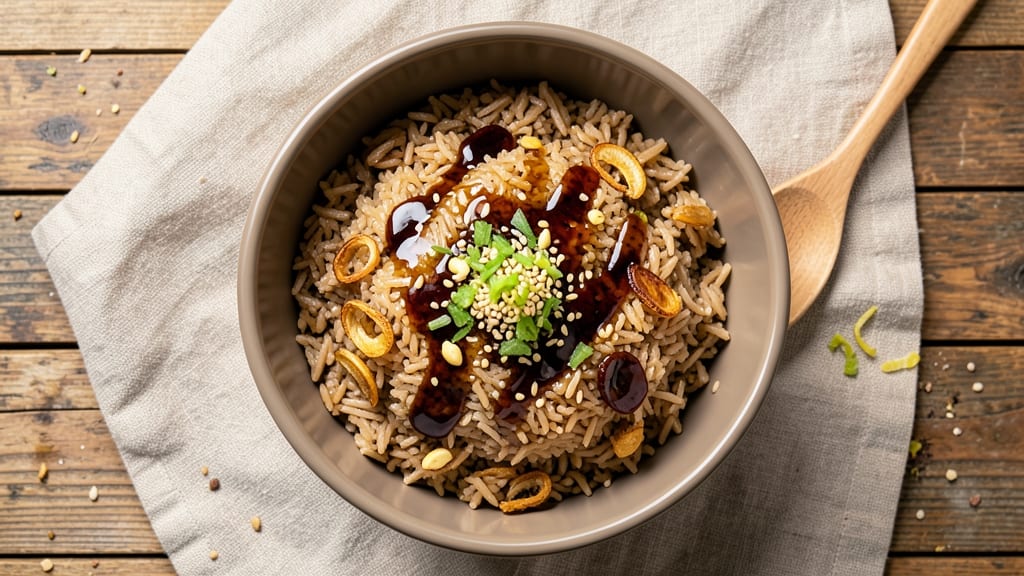
This brown rice cooker recipe transforms simple grains into a flavorful, hands-off side dish that elevates any meal. The secret lies in using aromatic ingredients—like garlic, ginger, and toasted sesame oil—that infuse the rice while it cooks, creating a depth of flavor without extra effort.
Perfect for weeknight dinners or meal prep, this method ensures evenly cooked, nutty brown rice every time.
With just 20 minutes of prep and 30 minutes of cook time, you’ll have restaurant-quality rice that’s chewy, fragrant, and packed with texture. The rice cooker handles the rest, leaving you free to focus on the main dish.
Whether served alongside roasted vegetables, grilled proteins, or curries, this foolproof technique guarantees a side dish that’s always a crowd-pleaser.
Ingredients for brown rice cooker
Twelve ingredients, one aromatic rice cooker masterpiece—transforming simple grains into restaurant-quality sides effortlessly.
| Ingredient | Amount | Notes |
|---|---|---|
| Long-Grain Brown Rice 🌾 | 1 ½ cups | Unrinsed for optimal texture |
| Water 💧 | 3 cups | Filtered preferred for purity |
| Garlic Cloves 🧄 | 4 cloves | Minced for even distribution |
| Fresh Ginger 🌿 | 1 tbsp | Finely grated, aromatic |
| Toasted Sesame Oil 🫒 | 1 tbsp | High-quality, nutty flavor |
| Low-Sodium Soy Sauce 🍶 | 1 tbsp | For umami depth |
| Vegetable Oil 🫒 | 1 tbsp | Light, neutral flavor |
| Diamond Crystal Kosher Salt 🧂 | ½ tsp | Adjusts seasoning perfectly |
| Toasted Sesame Seeds 🌰 | 1 tbsp | For garnish, optional |
| Green Onions 🧅 | 2 whole | Sliced, fresh garnish |
| White Wine Vinegar 🍷 | 1 tsp | Brightens flavors |
| Honey 🍯 | 1 tsp | Balances richness |
The long-grain brown rice is the foundation—unrinsed ensures optimal texture, as the natural oils infuse flavor during cooking. For garlic and ginger, fresh is non-negotiable; the Whole Foods or Trader Joe's sections stock the best quality. Toasted sesame oil should be labeled 'culinary' (not 'flavored')—La Tourangelle or Kadoya are reliable brands. The low-sodium soy sauce balances umami without overpowering; Kikkoman or Hoyu are standard choices. Diamond Crystal kosher salt dissolves evenly—avoid table salt, which clumps.
No fresh ginger? Powdered ginger at half the amount works, though texture differs. Substitute toasted peanut oil for sesame if needed, but flavor shifts slightly. White wine vinegar can be swapped for rice vinegar (reduce to ½ tsp). The honey adds subtle sweetness—agave nectar is a 1:1 vegan alternative. For extra depth, add ½ tsp smoked paprika to the oil before cooking. The green onions should be crisp; frozen works in a pinch, but thaw and pat dry first to avoid excess moisture.
Store cooked rice in an airtight container for 4-5 days in the fridge or 3 months frozen. Reheat with a splash of water to restore moisture. For meal prep, portion into glass containers—brown rice reheats best when covered. Sesame seeds and green onions should be added fresh post-reheating to preserve texture. Double the batch for leftovers; rice tastes even better the next day as flavors meld.
Why You'll Love This Recipe
- Umami Bomb: That toasted sesame oil? It’s the secret weapon here. One drizzle at the end turns bland rice into something ridiculously flavorful—nutty, garlicky, with a little kick. Honestly, I’ve seen my picky husband finish seconds.
- Meal Prep MVP: This rice keeps for days in the fridge, so I make a big batch on Sunday and use it all week. Toss it with stir-fries, stuff it in burritos, or eat it plain—it’s the ultimate blank canvas. (Yes, even on a Tuesday night.)
- Budget Win: Brown rice is cheap, and these ingredients won’t break the bank. A single batch feeds four for under $2, and the leftovers? Just as good reheated. Between us, this is how I stretch groceries without sacrificing taste.
Step-by-step instructions for brown rice cooker recipe
Transform simple brown rice into aromatic, restaurant-quality grains using your cooker's precision.
Prepare the Aromatic Base
In a small bowl, combine the 1 tbsp vegetable oil, 4 cloves garlic cloves (minced), and 1 tbsp fresh ginger (finely grated). Heat this mixture in your cooker's inner pot over medium heat for 2-3 minutes until the garlic becomes fragrant and just begins to turn golden. This step builds the flavor foundation—don't let it burn, as garlic turns bitter quickly.
Add the 1 tbsp toasted sesame oil and stir for 30 seconds to distribute the nutty aroma. The oil should shimmer slightly, indicating it's ready to absorb into the rice. Remove from heat immediately after—any longer and you'll lose that delicate toasted sesame flavor. This aromatic base ensures every grain of rice carries depth of taste.
Combine Rice and Seasonings
Add the 1.5 cups long-grain brown rice to the cooker pot and stir vigorously for 1 minute to coat each grain with the garlic-ginger-sesame oil mixture. This ensures even flavor distribution throughout the rice. The rice should look glossy and well-coated, not dry or clumpy.
Pour in the 3 cups water and add the 1 tbsp low-sodium soy sauce, 0.5 tsp diamond crystal kosher salt, 1 tsp white wine vinegar, and 1 tsp honey. Stir once more to combine all ingredients thoroughly. The vinegar brightens the flavors while the honey balances the saltiness, creating a harmonious seasoning profile. This step is where all the magic happens—proper seasoning now prevents bland rice later.
Cook to Perfect Texture
Place the lid on your rice cooker and select the white rice setting (or brown rice setting if available). The cooker will automatically bring the water to a boil, then reduce to a simmer for 45-50 minutes. During this time, the rice will absorb the liquid gradually, developing a creamy yet firm texture characteristic of properly cooked brown rice.
Resist the urge to check the rice prematurely—each time you lift the lid, you release steam and potentially alter the cooking process. When the cooker switches to "keep warm" mode, the rice should be tender but still have a slight bite. If it appears undercooked, add 2 tablespoons water and cook for another 5 minutes. Overcooked brown rice becomes mushy, while perfectly cooked grains maintain their shape and texture.
Finish with Garnishes
Once cooking is complete, let the rice sit covered for 5 minutes to allow any remaining steam to redistribute. This resting period ensures even texture throughout the pot. Using a rice paddle or large spoon, gently fold in the 1 tbsp toasted sesame seeds and 2 whole green onions (sliced). The sesame seeds add a delightful crunch while the green onions provide a fresh contrast to the rich flavors.
Serve immediately while the rice is still warm. Each grain should be plump and separate, with a subtle chew that's characteristic of brown rice. The aroma should be complex—nutty from the sesame, aromatic from the garlic and ginger, with a hint of sweetness from the honey. This dish delivers restaurant-quality brown rice with minimal effort, proving that simple ingredients can create extraordinary results when prepared with care.
Pro Tips For Making Brown Rice Cooker
- Rinse Until Clear: Brown rice clings like glue if you skip this. Swirl it in a fine-mesh strainer under cold water for 30 seconds—until the water runs nearly clear. I learned this the hard way after staring at a pot of gummy rice that looked like oatmeal.
- Toast the Ginger First: Fresh ginger loses its punch when simmered raw. Mince it fine, then dry-toast in the rice cooker’s inner pot for 30 seconds before adding water. The aroma doubles, and it blends seamlessly—no bitter aftertaste to fight.
- Don’t Overfill the Pot: Brown rice expands like a balloon. Fill the cooker only 2/3 full with rice and water. I used to cram it to the top, and the lid would steam up like a sauna, leaving half the rice undercooked. Trust the measurements.
- Finish with Oil Last: Sesame oil’s magic happens when it’s hot. After cooking, let the rice sit for 5 minutes, then drizzle the oil over the top and fold it in gently. Cold oil just sits on top—this way, every grain gets that nutty aroma. (Yes, even if you’re impatient like me.)
Health benefits of this dish
Whole Grain Powerhouse
Brown rice is a nutrient-dense whole grain packed with fiber, magnesium, and B vitamins—unlike white rice, which has been stripped of its bran and germ. A single 1-cup serving delivers 3.5 grams of fiber (14% of your daily needs) to support digestion and keep you feeling full longer.
The magnesium content (about 10% of daily value) helps regulate blood pressure and muscle function. 💪
Blood Sugar Balance
With a low glycemic index, brown rice releases glucose slowly, preventing blood sugar spikes that white rice can trigger. This makes it an excellent choice for diabetes management or anyone watching their blood sugar levels.
The complex carbohydrates provide steady energy without the crash, perfect for sustained focus during long workdays or workouts.
Heart-Healthy Fats
Brown rice contains healthy unsaturated fats and antioxidants like phenolic compounds, which help reduce inflammation and support cardiovascular health. The toasted sesame oil we use in this recipe adds extra vitamin E, an antioxidant that protects cell membranes.
Together, they create a heart-friendly side dish that complements any meal.
Digestive Wellness
The high fiber content (about 3.5g per cup) promotes gut health by feeding beneficial gut bacteria, which improves digestion and nutrient absorption. Unlike refined grains, brown rice retains its natural bran layer, which acts like a broom to sweep through your digestive tract.
For even better digestion, pair this rice with probiotic-rich foods like yogurt or kimchi.
Plant-Based Protein
While not a complete protein on its own, brown rice provides 5 grams of plant-based protein per cooked cup, making it a great addition to vegetarian and vegan diets. When combined with beans or lentils, it creates a complete amino acid profile.
The soy sauce and sesame seeds in this recipe add extra plant protein, boosting the nutritional value even further.
Antioxidant Boost
The dark brown color of brown rice indicates higher levels of antioxidants like lutein and zeaxanthin, which support eye health and reduce oxidative stress. These compounds also contribute to the rice's nutty flavor and rich texture.
The ginger and garlic in this recipe add their own antioxidant benefits, making this dish a flavorful way to boost your daily intake of protective compounds. ✨
Nutrition facts
Frequently asked questions
Can I use short-grain brown rice instead of long-grain?
Short-grain brown rice works, but the texture will be creamier and stickier. Use a 1:1.25 rice-to-water ratio (e.g., 1.5 cups rice to 1.875 cups water) since short-grain absorbs more liquid. The cooking time remains similar (45-50 minutes), but stir occasionally to prevent clumping. For this recipe, long-grain creates better separation for garnishes like sesame seeds.
Why does my rice cooker say "burn" or "overheat" when cooking brown rice?
Brown rice requires more time than white rice, and some cookers lack a dedicated brown rice setting. If your model doesn't have one, use the white rice setting but extend cooking by 10-15 minutes after it switches to "keep warm." For stubborn models, try reducing the water by ¼ cup and adding 1 extra tablespoon oil to prevent scorching. Always check the pot's bottom for residue after cooking.
How do I make this recipe gluten-free?
Replace the low-sodium soy sauce with tamari or coconut aminos (use the same 1 tbsp amount). Check that your toasted sesame oil and sesame seeds are certified gluten-free (some brands process in shared facilities). The rest of the ingredients are naturally gluten-free. For extra flavor, add ½ tsp gluten-free fish sauce when combining the rice and water.
Can I cook this rice in a pot instead of a rice cooker?
Use a heavy-bottomed pot with a 1:1.25 rice-to-water ratio (e.g., 1.5 cups rice to 1.875 cups water). Bring to a boil, then reduce to a simmer, cover, and cook for 40-45 minutes on low heat. Stir gently after 20 minutes to prevent sticking. The key difference: rice cookers maintain even heat, while stovetop requires more attention to avoid burning.
What if I don’t have fresh ginger or garlic?
Use ½ tsp ground ginger or 1 tsp garlic powder as substitutes, but reduce to 2 cloves garlic since powdered versions are more concentrated. For deeper flavor, add ¼ tsp onion powder or a pinch of cayenne pepper (for warmth). The toasted sesame oil will still carry the majority of the aroma, so don’t skip it—it’s the secret to this dish’s complexity!