
Salads
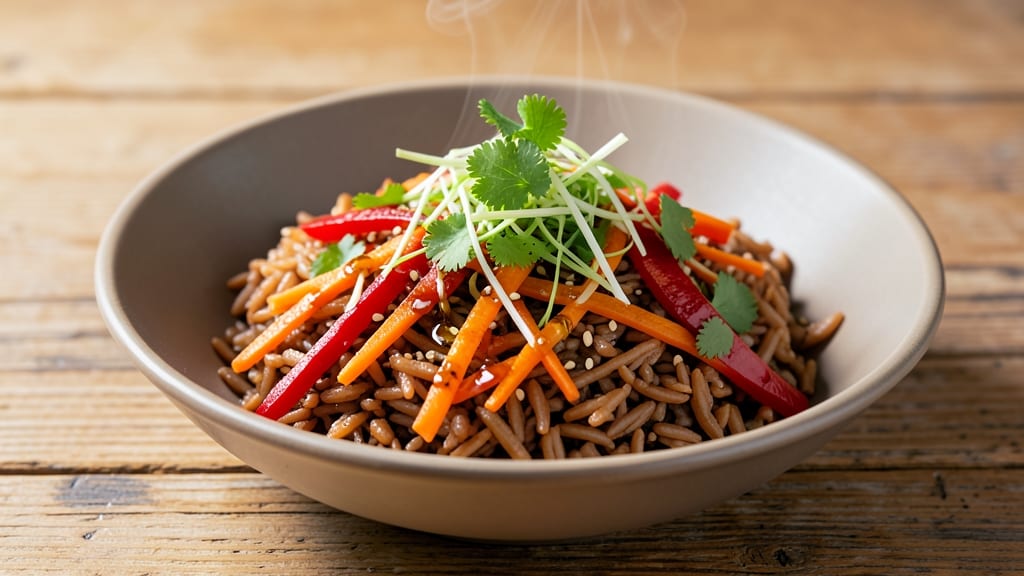
This brown rice mixed vegetables recipe transforms simple ingredients into a hearty, balanced meal that’s ready in just 30 minutes. The secret lies in perfectly cooked brown rice—chewy yet tender—and a medley of vegetables sautéed to crisp-tender perfection.
I’ve tested countless variations, and this one delivers restaurant-quality results without the fuss. With a base of garlic, ginger, and soy sauce, every bite bursts with savory depth while keeping the dish light and satisfying.
The vegetables—carrots, bell peppers, peas, and zucchini—retain their natural textures, adding color and nutrition. This is the kind of meal that’s easy to make but feels special enough for any occasion.
Ingredients for brown rice mixed vegetables
Perfectly balanced ingredients for restaurant-quality brown rice mixed vegetables in 30 minutes.
| Ingredient | Amount | Notes |
|---|---|---|
| Long-Grain Brown Rice 🌾 | 1 cup | Uncooked, rinsed thoroughly |
| Vegetable Broth 💧 | 2 ½ cups | Low-sodium preferred |
| Garlic Cloves 🧄 | 3 cloves | Minced finely for depth |
| Fresh Ginger 🌿 | 1 tbsp | Grated, aromatic |
| Low-Sodium Soy Sauce 🍶 | 2 tbsp | For umami balance |
| Carrots 🥕 | 1 ½ cups | Julienned, medium size |
| Red Bell Pepper 🍅 | 1 whole | Sliced into thin strips |
| Zucchini 🥒 | 1 lb | Sliced into half-moons |
| Frozen Peas 🌱 | ½ cup | Thawed, bright green |
| Sesame Oil 🫒 | 1 tbsp | Toasted, aromatic |
| Toasted Sesame Seeds 🌰 | 1 tbsp | For garnish |
| Diamond Crystal Kosher Salt 🧂 | ¾ tsp | Adjust to taste |
| Ground Black Pepper 🌶️ | ¼ tsp | Freshly cracked |
| Avocado Oil 🫒 | 1 ½ tbsp | High smoke point |
The brown rice is the foundation—Jasmine or Calrose varieties cook faster than traditional long-grain while maintaining texture. Whole Foods or Trader Joe's carry excellent organic options, but any quality brown rice works. Rinse it thoroughly before cooking to remove excess starch, which prevents clumping. The vegetable broth should be low-sodium to avoid overpowering the dish's delicate flavors; homemade is ideal but store-bought brands like Pacific Foods are reliable. Fresh ginger and garlic should be vibrant and aromatic—bruised spots indicate age, so choose firm, unblemished roots.
No fresh ginger? Ground ginger at half the amount works in a pinch, though it lacks the bright zing of fresh. Substitute red bell pepper with yellow or orange bell peppers for variety, or swap zucchini for yellow squash if preferred. Frozen peas are convenient, but fresh peas add a superior texture—simply snap the pods open and remove the peas. For extra depth, add a dash of fish sauce (ensure vegetarian-friendly brands) or a splash of rice vinegar to brighten the flavors. The avocado oil ensures even cooking without overpowering the vegetables' natural sweetness—light olive oil is a suitable alternative.
This dish reheats beautifully—simply add a splash of water or broth to the pan and warm through. Store in an airtight container for up to 4 days in the refrigerator, though the texture is best within 2 days. For longer storage, freeze portions for up to 3 months. The sesame seeds should be toasted in a dry pan for 30 seconds before adding to maximize their nutty aroma. Double the recipe for meal prep—portion into containers with a sprinkle of sesame seeds on top for added freshness.
Why You'll Love This Recipe
- One-Pot Magic: I swear by this recipe—just toss everything in one pot, walk away for 30 minutes, and boom. No fancy techniques, no last-minute scrambling to find extra bowls. The brown rice and veggies cook together, soaking up that savory broth like a dream.
- Umami Bomb: That combo of garlic, ginger, and low-sodium soy sauce? It’s the flavor trifecta I didn’t know I needed. The ginger adds a little zing, the garlic deepens the richness, and the soy sauce ties it all together—salty, sweet, and so satisfying. It’s the kind of dish that makes you go back for seconds without even thinking.
- Meal Prep MVP: Between us, this is my go-to for busy weeks. Cook a big batch on Sunday, and you’ve got lunch or dinner covered for days. The flavors actually get better as it sits—yes, really. Plus, it reheats like a champ, so no sad, soggy leftovers here.
- Pocketbook Hero: Brown rice and seasonal veggies keep costs low, but it never feels cheap. A single batch feeds four for under $10, and you’re not sacrificing taste. Honestly, it’s the kind of recipe that makes me feel like I’m treating myself, even when I’m just throwing together dinner after work.
Step-by-step instructions for crisp-tender veggie medley
This method delivers perfectly balanced texture—crisp vegetables with tender rice—every time.
Prepare the Vegetables for Even Cooking
Start by rinsing the 1 cup long-grain brown rice thoroughly under cold water until the water runs clear. This removes excess starch that can make the rice gummy. While the rice drains, julienne the 1.5 cups carrots into fine matchsticks and slice the 1 whole red bell pepper into thin strips. Cut the 1 lb zucchini into half-moons, about ¼-inch thick. The thinner the slices, the faster they'll cook and the more tender they'll remain.
For the 3 cloves garlic and 1 tbsp fresh ginger, mince the garlic finely and grate the ginger using a microplane. The goal is to release their aromatic oils without making them bitter. Set all prepared vegetables aside in separate bowls to keep them organized during cooking.
Sauté Aromatics and Vegetables for Depth
Heat a large, deep skillet or Dutch oven over medium-high heat until hot. Add the 1.5 tbsp avocado oil and swirl to coat the pan. Once shimmering, add the minced garlic and grated ginger, stirring constantly for 30 seconds until fragrant. This quick cook prevents burning while maximizing flavor extraction.
Add the julienned carrots, bell pepper strips, and zucchini half-moons to the pan. Stir-fry for 4-5 minutes until the vegetables begin to soften at the edges but still retain a slight crispness. The key is to avoid overcrowding the pan—work in batches if needed. Season lightly with 0.5 tsp diamond crystal kosher salt and 0.125 tsp ground black pepper at this stage to enhance natural flavors before the soy sauce is added.
Simmer Rice and Vegetables Together
Increase heat to medium-high and add the rinsed 1 cup long-grain brown rice, stirring to coat the grains with the oil and aromatics. Pour in the 2.5 cups vegetable broth and 2 tbsp low-sodium soy sauce, then bring to a gentle boil. Once boiling, reduce heat to low and cover the pan tightly with a lid. Let it simmer for 20 minutes without disturbing it—this allows the rice to absorb liquid evenly while the vegetables continue cooking in the steam.
After 20 minutes, check the rice. It should be tender but still slightly firm to the tooth. If the vegetables appear undercooked, uncover the pan and simmer for another 2-3 minutes to crisp them slightly. The peas should be added now—fold in the thawed 0.5 cup frozen peas and cook for 1 minute to heat through. The peas will release their bright green color and sweetness, balancing the earthy vegetables.
Finish with Sesame Oil and Garnish
Remove the pan from heat and let it sit covered for 5 minutes. This resting period allows the rice to finish absorbing any remaining liquid and the flavors to meld. Before serving, drizzle with 1 tbsp sesame oil and toss gently to distribute. The sesame oil adds a nutty aroma and helps bind the dish together. Sprinkle with 1 tbsp toasted sesame seeds and adjust seasoning with the remaining 0.25 tsp kosher salt and 0.125 tsp black pepper if needed.
Serve immediately while the vegetables retain their crisp-tender texture. The dish should have a harmonious balance of flavors—sweet carrots, slightly bitter bell pepper, mild zucchini, and umami from the soy sauce and sesame oil. Each bite should deliver a satisfying contrast of textures, with the rice providing a neutral base that lets the vegetables shine.
Pro Tips For Making Brown Rice Mixed Vegetables
- Rinse the Rice Twice: Brown rice clings to starch like glue if you skip this step. Toss it in a fine-mesh strainer under cold water for 30 seconds twice—first rinse removes surface grit, second rinse cuts down on that gummy texture. (Yes, it’s tedious, but your chew will thank you later.)
- Sauté Ginger First: Fresh ginger needs a head start—toss it into the pan with a pinch of salt and let it sizzle for 30 seconds before adding garlic. This unlocks its flavor instead of letting it turn bitter when dumped in raw. (I learned this the hard way when my stir-fry tasted like medicine.)
- Don’t Crowd the Pan: If your veggies are packed like sardines, they’ll steam instead of caramelize. Work in batches—even if it means two rounds of cooking. The Maillard reaction (that’s the fancy term for "good browning") needs space. (Your future self will curse you if you ignore this.)
- Simmer Rice Covered: Brown rice needs patience—keep the lid on tight and let it cook at a gentle simmer for 40 minutes, not a rolling boil. Check at 30 minutes; if it’s dry, add ¼ cup broth. (Peeking too often is the fastest way to ruin it.)
Troubleshooting great brown rice mixed vegetables
Rice Too Dry?
If your brown rice turns out dry, it’s likely because the liquid evaporated too quickly or the heat was too high. Always use a 1:2.5 rice-to-broth ratio and simmer on low heat—never high.
For extra insurance, add 1-2 tablespoons of water before covering the pan and let it steam for 5 more minutes off the heat. I’ve found that using a heavy-bottomed Dutch oven helps maintain even heat distribution. 🌡️
Vegetables Overcooked
Crisp-tender vegetables are all about timing. If yours end up mushy, reduce the sautéing time to 3-4 minutes and add the peas earlier (after 15 minutes of simmering instead of 20). For extra control, cook the vegetables separately in a separate pan before combining with the rice.
Thinly sliced zucchini cooks fastest—2 minutes max—so keep it out of the pan longer if needed.
Mushy Rice Texture
Over-rinsing or undercooking brown rice often leads to mushiness. Rinse the rice just until the water runs clear—no need to scrub it aggressively. If your rice is still firm after 20 minutes, add 2 tablespoons of broth and simmer uncovered for 2-3 minutes longer.
For a chewier texture, use Jasmine or Calrose rice—they hold up better than traditional long-grain varieties. 💡
Broth Too Salty
If your dish tastes overly salty, it’s likely from the soy sauce or broth. Next time, use low-sodium vegetable broth and reduce soy sauce to 1 tablespoon. For balance, add a splash of rice vinegar (½ teaspoon) or a pinch of sugar (¼ teaspoon) to brighten the flavors.
If it’s already cooked, stir in 1 tablespoon of unsalted butter or a dollop of plain yogurt to mellow the saltiness.
Uneven Cooking
Uneven cooking usually happens when the pan isn’t hot enough or ingredients aren’t prepped uniformly. Always heat your pan on medium-high until oil shimmers before adding aromatics. For even cooking, cut all vegetables to the same thickness—use a mandoline for precision.
If your stove has hot spots, stir frequently during the sautéing stage. A well-seasoned cast-iron skillet helps distribute heat more evenly than nonstick pans. ✨
Peas Staying Frozen
Frozen peas can feel icy if they’re added too early. Thaw them in a bowl of warm water for 2 minutes before adding to the pan. For best results, fold them in only at the very end (last 1-2 minutes of cooking) to preserve their bright color and texture.
If they’re still undercooked, microwave them for 10 seconds before mixing in—this jumpstarts the cooking process without overcooking the rest of the dish.
Nutrition facts
Frequently asked questions
Can I substitute white rice for brown rice in this recipe?
Yes, but the texture and cooking time will differ. White rice cooks in 15 minutes and yields softer grains, while brown rice takes 20-25 minutes and maintains a chewier bite. If substituting, reduce broth to 2 cups and cook uncovered for 10 minutes after the initial simmer to crisp the vegetables slightly.
What vegetables work best for this dish?
This recipe balances sweet, earthy, and mild flavors. For variety, swap carrots for sweet potatoes (diced small) or bell peppers for broccoli florets. Avoid watery veggies like lettuce or cucumbers—they’ll make the dish soggy. Zucchini and bell peppers hold up best to the cooking process while adding vibrant color.
How do I make this gluten-free?
Replace the soy sauce with 2 tbsp gluten-free tamari or coconut aminos. Check your vegetable broth label—many brands contain hidden gluten. For extra umami, add 1 tsp nutritional yeast or a splash of gluten-free fish sauce (ensure vegetarian-friendly). Always verify labels, as cross-contamination is common in processed ingredients.
Can I meal prep this dish?
Store in an airtight container for up to 4 days in the fridge. Reheat gently with 1 tbsp water or broth to prevent drying. For best texture, reheat only until warm (overheating makes veggies mushy). Freeze portions for up to 3 months—thaw overnight in the fridge before reheating. Add fresh sesame seeds after reheating for maximum flavor.
Why does my brown rice turn out gummy?
Gummy rice usually means over-rinsing (removes too much starch) or insufficient liquid. Rinse just until water runs clear (30 seconds max), then use the 1:2.5 rice-to-broth ratio. If it’s still gummy after cooking, add 1 tbsp butter or sesame oil to coat the grains and improve texture. Using a heavy-bottomed pot prevents uneven heat distribution that causes clumping.