
Main Courses
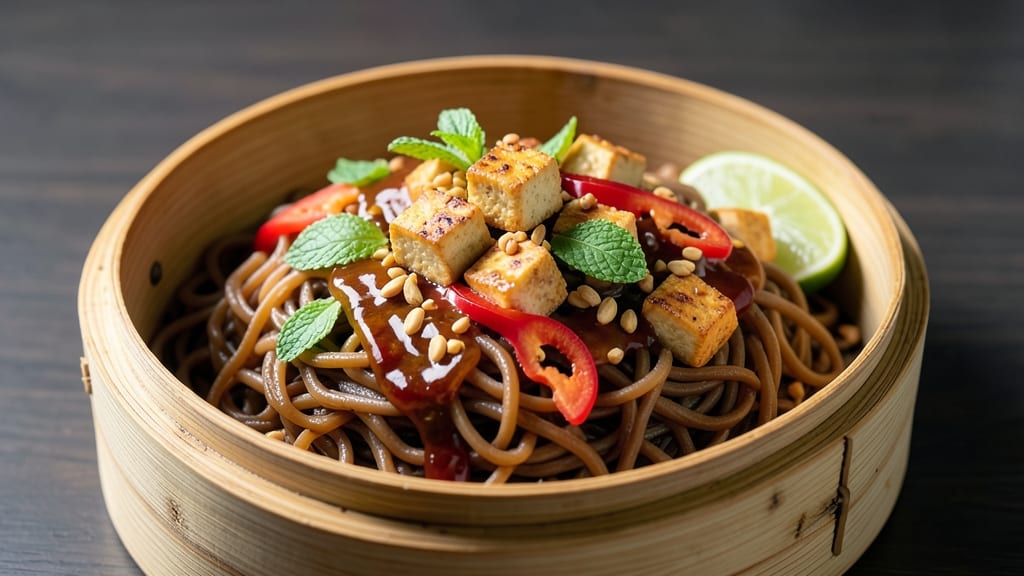
This brown rice Pad Thai brings the bold flavors of Thailand to your table with nutty grains and tangy tamarind sauce. 🌟 Swapping traditional rice noodles for brown rice adds fiber and earthy depth, while tofu keeps it hearty and satisfying.
The balance of sweet, sour, and umami creates a dish that's as nourishing as it is delicious.
With just 30 minutes of prep and 15 minutes of cooking, you'll have a vibrant, restaurant-worthy meal that's perfect for weeknights or meal prep. The key lies in perfectly stir-frying the noodles and tofu, then tossing everything together with a homemade tamarind sauce that's brighter than store-bought versions.
Garnish with crushed peanuts and fresh herbs for that authentic Thai crunch and freshness.
Ingredients for brown rice pad thai noodles
Nutty brown rice noodles, tangy tamarind, and crispy tofu create a vibrant vegetarian Pad Thai with restaurant-quality zing.
| Ingredient | Amount | Notes |
|---|---|---|
| Brown Rice Noodles 🍚 | 12 oz | Fresh or dried, soaked in warm water |
| Extra-Firm Tofu 🍛 | 14 oz | Pressed, cubed, and pan-fried |
| Tamarind Paste 🍋 | ¼ cup | Unsweetened, for authentic tang |
| Fish Sauce 🌊 | 2 tbsp | Vegetarian version with seaweed |
| Lime Juice 🍋 | ½ cup | Freshly squeezed, for brightness |
| Peanut Butter 🥜 | 2 tbsp | Natural, unsweetened, for richness |
| Soy Sauce 🍶 | 2 tbsp | For umami depth |
| Maple Syrup 🍁 | 1 tbsp | For subtle sweetness |
| Sesame Oil 🌿 | 1 tbsp | Toasted, for nutty aroma |
| Garlic Cloves 🧄 | 6 cloves | Minced, for aromatic base |
| Red Bell Pepper 🌶️ | 1 whole | Thinly sliced, for crunch |
| Green Onions 🧅 | 4 whole | Thinly sliced, for freshness |
| Crushed Peanuts 🥜 | ½ cup | For authentic Thai crunch |
| Fresh Cilantro 🌿 | ¼ cup | Chopped, for herbaceous finish |
| Vegetable Oil 🫒 | 2 tbsp | High smoke point for stir-frying |
The brown rice noodles are the star here—look for fresh or high-quality dried at Asian markets or the international aisle. Thai Kitchen brand is my go-to for dried noodles, but any rice noodle will work if soaked properly. For tofu, extra-firm is a must—press it for 20 minutes to remove excess water before cubing. Fresh tamarind paste is ideal, but if you can't find it, substitute lime juice with a splash of date syrup for depth. The fish sauce? Use a vegetarian version like Red Boat Vegetarian Fish Sauce—it's made with seaweed and has the same umami punch.
No tamarind paste? Mix lime juice with a teaspoon of date syrup for a close substitute. Swapping tofu for chickpeas or edamame works too, though texture will differ slightly. The peanut butter adds richness, but if you're avoiding it, cashew butter is a great alternative. For extra crunch, toast the crushed peanuts in a dry pan until fragrant—they'll taste fresher. Fresh cilantro is best, but dried works in a pinch (use half the amount). The red bell pepper can be swapped for shredded carrots or snap peas if you prefer a milder veggie.
Prep the tamarind sauce first—it needs time to meld. Store leftovers in an airtight container for 3-4 days in the fridge, though the flavors intensify overnight. For meal prep, keep the sauce and noodles separate until reheating to avoid mushiness. The tofu reheats beautifully—microwave for 30 seconds to restore crispiness. Garnish with extra peanuts and lime wedges before serving for that authentic Thai touch.
Why You'll Love This Recipe
- I swear by this trick: just rinse the brown rice noodles, toss them in boiling water for 2 minutes, and they’re ready. No waiting around like with fresh noodles—perfect when I’m starving and impatient.
- No-Soaking Needed: I swear by this trick: just rinse the brown rice noodles, toss them in boiling water for 2 minutes, and they’re ready. No waiting around like with fresh noodles—perfect when I’m starving and impatient.
- Umami Bomb: That tamarind paste and fish sauce combo? It’s the secret weapon. The tamarind gives this dish that signature tang, while the fish sauce adds depth—crispy tofu just soaks it up like a dream.
- Lunchbox Hero: I make a big batch on Sundays, and these noodles hold up perfectly for packed lunches. The brown rice noodles stay chewy, and the lime juice keeps everything fresh—no sad, soggy leftovers here.
Step-by-step instructions for brown rice Pad Thai noodles
Here's how to transform nutty brown rice noodles into a vibrant, tangy-sweet masterpiece.
👨🍳 Step 1: Prepare the Noodles and Tofu
Start by soaking the 12 oz brown rice noodles in warm water for 8-10 minutes until pliable but still slightly firm to the bite. Drain and set aside. Meanwhile, press the 14 oz extra-firm tofu between paper towels for 15 minutes to remove excess water, then cube into ½-inch pieces. Heat 2 tbsp vegetable oil in a large skillet over medium-high heat until shimmering. Add the tofu and cook for 6-8 minutes, turning occasionally, until golden brown and crispy on all sides. Remove and set aside on a paper towel-lined plate.
This crispy tofu will add essential texture contrast to your dish. Don't skip pressing the tofu—it ensures proper browning and prevents a soggy final result. Keep the tofu warm while you prepare the sauce components.
🍳 Step 2: Build the Signature Sauce
In a small bowl, whisk together the 0.25 cup tamarind paste, 2 tbsp fish sauce, 0.5 cup lime juice, 2 tbsp peanut butter, 2 tbsp soy sauce, 1 tbsp maple syrup, and 1 tbsp sesame oil. This sauce is the heart of your Pad Thai—balance is key. The tamarind provides that signature tang, while the peanut butter adds rich creaminess. Taste as you go and adjust the lime juice if needed for brightness.
Here's the thing—tamarind paste can be strong. If it tastes too intense, add a splash more lime juice to mellow it out. The sauce should coat the back of a spoon but remain pourable. Keep this mixture at room temperature while you finish the vegetables.
🔥 Step 3: Stir-Fry the Aromatics and Vegetables
In the same skillet (no need to clean it—the fond adds flavor), add 2 tbsp vegetable oil if needed and heat over medium-high heat. Add the 6 minced garlic cloves and cook for 30 seconds until fragrant. Add the thinly sliced red bell pepper and thinly sliced green onions, stirring constantly for 2-3 minutes until the peppers soften but retain their vibrant color. This quick cooking preserves their crisp texture while developing their natural sweetness.
Don't overcrowd the pan—work in batches if needed. The vegetables should sizzle and release their aromas. This is where the dish gets its fresh, bright character. If the peppers start to char, reduce the heat slightly and give them a few more seconds to soften.
🥘 Step 4: Combine Everything for the Final Toss
Return the crispy tofu to the skillet and add the drained brown rice noodles. Pour the sauce over everything and toss vigorously with tongs for 2-3 minutes until the noodles are evenly coated and heated through. The noodles should absorb the sauce while maintaining a slight bite. If the mixture seems too dry, add 1-2 tablespoons of warm water to loosen it.
This is the moment that matters: the sauce should cling to the noodles and tofu without making them soggy. Taste and adjust seasoning—you might need a touch more fish sauce for saltiness or lime juice for acidity. The perfect Pad Thai balances sweet, sour, salty, and umami in every bite.
🍽️ Step 5: Finish and Serve with Garnishes
Transfer the Pad Thai to serving plates and immediately top with 0.5 cup crushed peanuts and 0.25 cup chopped fresh cilantro. The peanuts add that essential crunch, while the cilantro brings fresh herbaceousness. Serve while hot, with lime wedges on the side for extra zing. Each forkful should deliver that perfect harmony of textures and flavors—crispy tofu, chewy noodles, crunchy peanuts, and vibrant vegetables.
Real talk: this dish tastes even better the next day when the flavors have time to meld. Store leftovers in an airtight container in the fridge for up to 3 days, and reheat gently with a splash of water to revive the crispiness. The nutty brown rice noodles hold up beautifully, making this a meal that gets better with time.
Pro Tips For Making Brown Rice Pad Thai Noodles
- SOAK NOODLES SEPARATELY: Brown rice noodles need a good 20-30 minutes in warm water—don’t toss them straight into the wok. I learned this the hard way: dry, stubborn strands will fight you for even coating. Use a shallow bowl, stir occasionally, and drain just before cooking. They’ll soften faster and absorb the sauce better.
- PRESS TOFU HARDER: Extra-firm tofu still holds moisture—crush it between two heavy plates for 10 minutes before cubing. This prevents soggy, flavorless bites. My first batch turned into a mushy mess because I skipped this; now I press it like I’m making a tofu brick.
- DILUTE TAMARIND FIRST: Tamarind paste is thick and sticky—mix it with 2 tablespoons of warm water before adding to the sauce. This prevents clumping and helps it blend smoothly. I used to dump it in dry, and the sauce would separate like a science experiment gone wrong.
- SALT THE WATER: Add 1 teaspoon of salt to the noodle-soaking water—it seasons them right from the start. The noodles will taste better, and you’ll need less fish sauce later. I know it sounds odd, but it makes a real difference, especially with brown rice noodles, which can taste bland otherwise.
Best sauces and condiments for this recipe
Homemade Tamarind Sauce
The star of your brown rice Pad Thai is the homemade tamarind sauce. I blend ¼ cup tamarind paste, 2 tbsp fish sauce, ½ cup lime juice, 2 tbsp peanut butter, and 1 tbsp maple syrup for that signature tangy-sweet balance.
The tamarind paste gives it that authentic Thai zing, while the peanut butter adds richness. For extra depth, I add 1 tbsp sesame oil—it enhances the nutty aroma. Taste as you go and adjust lime for brightness or maple syrup for sweetness. 🌶️
Peanut Butter Magic
Don’t skip the peanut butter—it’s what makes this sauce creamy and satisfying. I use 2 tbsp natural, unsweetened peanut butter to avoid added sugars. For a nut-free version, swap in 2 tbsp cashew butter or a splash of coconut milk.
The peanut butter also adds a subtle roasted flavor that pairs perfectly with the brown rice noodles. Stir it in last to keep the sauce smooth and avoid lumps. 🥜
Sesame Oil Finish
A drizzle of toasted sesame oil at the end elevates the dish to restaurant-quality. I add 1 tbsp to the sauce and let it infuse for a few minutes before tossing with the noodles. This adds a nutty aroma that complements the peanut butter and tamarind.
If you’re sensitive to sesame, reduce to ½ tbsp or use avocado oil instead. The key is to add it at the very end—this preserves its delicate flavor. 🌿
Sweet and Tangy Balance
Finding the right balance between sweet and tangy is everything. I start with 1 tbsp maple syrup for sweetness, but if your tamarind paste is extra sour, add ½ tsp date syrup or a pinch of sugar.
For tang, the lime juice is crucial—start with ½ cup and adjust to taste. The goal is a sauce that’s bright, well-rounded, and not overpowering. Trust your taste buds here—every batch is slightly different. ✨
Garnish Game-Changers
Fresh garnishes make all the difference. I always top my Pad Thai with ½ cup crushed peanuts for crunch and ¼ cup chopped cilantro for freshness. For extra zing, add thinly sliced green onions or a sprinkle of chili flakes.
Toast the peanuts in a dry pan for 2-3 minutes until fragrant—they’ll taste fresher and add more depth. Serve with lime wedges on the side so everyone can adjust the tang to their liking. 💫
Nutrition facts
Frequently asked questions
Can I use regular rice noodles instead of brown rice noodles?
You can, but the flavor and texture will differ. Brown rice noodles add a nutty depth and extra fiber that traditional white rice noodles lack. If you prefer the classic texture, use white rice noodles—but soak them for 5-7 minutes instead of 8-10 minutes since they cook faster. The dish will still taste delicious, just with a lighter flavor profile.
How do I make this recipe without peanut butter?
For a nut-free version, replace the peanut butter with 2 tbsp cashew butter or 2 tbsp coconut milk to maintain creaminess. If avoiding all nuts, add 1 tbsp tahini or a splash of soy sauce for umami depth. Just remember that the sauce may be slightly thinner without peanut butter's richness. Taste and adjust with extra lime juice or maple syrup as needed.
Why does my tamarind sauce taste too bitter?
Tamarind paste can be intense, so balance it with more lime juice or a touch of sweetener. Start with ½ cup lime juice and add ½ tsp maple syrup if needed. If you're using store-bought tamarind paste, check the label—some brands are more concentrated than others. The sauce should be tangy but not overpoweringly bitter. Stir in 1 tsp sesame oil to mellow the flavors.
Can I make this ahead of time for meal prep?
Yes! Store the sauce and cooked noodles separately in airtight containers for up to 3 days. When reheating, combine them in a pan with a splash of water to revive the sauce and prevent dryness. For the tofu, keep it separate and reheat it in a dry pan for 2-3 minutes to restore crispiness. Add fresh garnishes like peanuts and cilantro just before serving for maximum freshness.
What's the best way to make the tofu extra crispy?
Press the tofu for 20 minutes before cubing to remove excess moisture. Pat the cubes dry with paper towels, then toss them in 1 tbsp cornstarch before cooking. Use a nonstick skillet and cook over medium-high heat for 6-8 minutes, turning occasionally. For even more crispiness, finish under the broiler for 1-2 minutes while watching closely.