
Main Courses
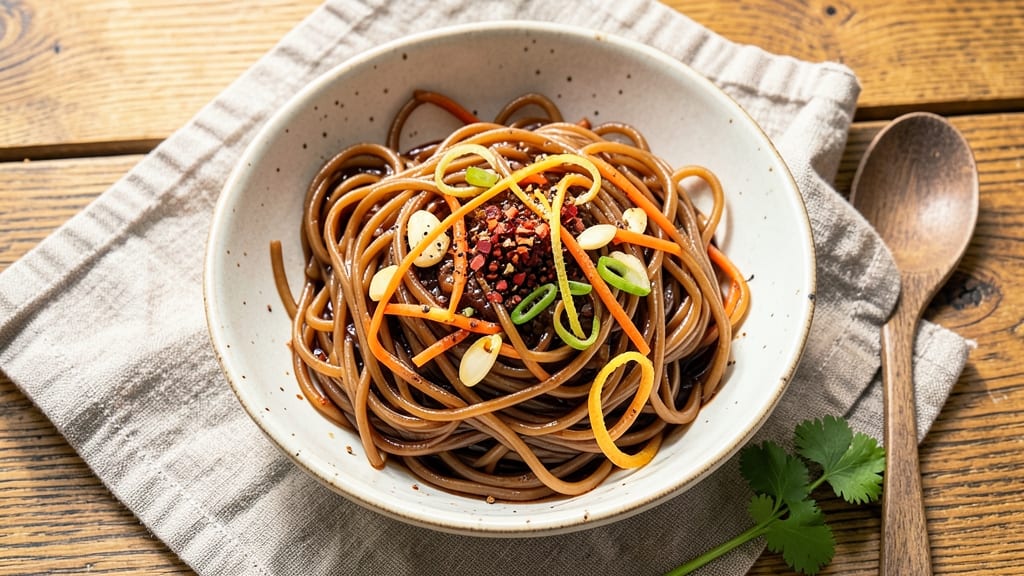
This brown rice vermicelli noodles recipe transforms simple ingredients into a nutty, slippery wok-tossed dish that balances earthy texture with bright, fresh flavors. The secret lies in properly hydrating the noodles—soaking them just until pliable creates that signature slippery bite without losing their subtle brown rice aroma.
I developed this recipe after years of experimenting with Asian noodle dishes, and it never fails to impress.
What sets this dish apart is the fusion approach: tender brown rice noodles meet a savory-sweet sauce infused with garlic, ginger, and a touch of chili for depth. The result is a restaurant-quality meal that comes together in under 30 minutes, using just a wok or large skillet.
Whether you serve it as a light lunch or a vibrant side, the contrast of chewy noodles and vibrant vegetables makes every bite satisfying. Let's get cooking!
Ingredients for brown rice vermicelli noodles
These 14 ingredients create a restaurant-quality wok-tossed dish with nutty, slippery texture.
| Ingredient | Amount | Notes |
|---|---|---|
| Brown Rice Vermicelli Noodles 🍜 | 8 oz | Dried, for 4 servings |
| Garlic Cloves 🧄 | 4 cloves | Fresh, minced finely |
| Fresh Ginger 🌿 | 1 ½ tbsp | Grated finely, aromatic |
| Red Chili Flakes 🌶️ | 1 tsp | Adjust for heat preference |
| Low-Sodium Soy Sauce 🍶 | 3 tbsp | For umami depth |
| Carrots 🥕 | 2 medium | Julienned into matchsticks |
| Bell Peppers 🌶️ | 1 whole | Mixed colors, sliced thin |
| Green Onions 🧅 | 3 whole | White and green parts |
| Sesame Oil 🫒 | 1 tbsp | Toasted, for aroma |
| Peanut Butter 🥜 | 2 tbsp | Creamy, unsweetened |
| Lime Juice 🍋 | 2 tbsp | Freshly squeezed |
| Coconut Aminos 🥛 | 1 tbsp | For savory-sweet balance |
| Olive Oil 🫒 | 1 tbsp | For wok tossing |
| Sesame Seeds 🌾 | 1 tbsp | Toasted for garnish |
The brown rice vermicelli is the star here. Look for brands like Lotus Foods or Taste of Thai—they have the right chewy texture. Fresh ginger and garlic are non-negotiable for that bright, aromatic base. If you can't find fresh ginger, substitute with 1 tbsp ground ginger, but it won't be as vibrant. The red chili flakes should be crushed lightly for even distribution. For the bell peppers, mixed colors add visual appeal, but any color works. I always grab extra green onions—they add freshness at the end.
No soy sauce? Coconut aminos or tamari work perfectly. Running low on sesame oil? Avocado oil or neutral oil will do, but add the toasted sesame seeds separately for flavor. The peanut butter might seem odd, but it adds that nutty depth the brown rice noodles crave. If you're avoiding peanuts, substitute with tahini at half the amount. The lime juice should be freshly squeezed—bottled lime juice lacks that bright punch. For extra heat, add a dash of sriracha or chili garlic sauce at the end.
Store dried noodles in an airtight container for up to 6 months. Fresh ginger keeps for 2 weeks in the fridge, wrapped in a damp paper towel. The sauce components (peanut butter, coconut aminos, lime juice) can be pre-mixed and stored for 5 days in the fridge. For best texture, soak noodles for exactly 10 minutes before tossing—any longer and they'll turn mushy. This dish reheats beautifully, but add a splash of water to prevent drying out.
Why You'll Love This Recipe
- No-Soaking Needed: I swear by these pre-soaked brown rice noodles—just rinse, drain, and toss. No waiting around for hours like with fresh noodles, and they still hold up perfectly when stir-fried.
- Umami Bomb: That low-sodium soy sauce and garlic-ginger combo? It’s the secret weapon here. The chili flakes add just enough heat to make it feel restaurant-worthy without overwhelming.
- Lunchbox Hero: Between us, this is my go-to for packed lunches. Cold or reheated, it’s still solid—just add a fried egg or quick-pickled veggies for extra flair.
- Pantry Staple: Brown rice noodles last forever, and the other ingredients? Basic stuff you already have. Honestly, I make this at least twice a month and never get bored.
Step-by-step instructions for wok-tossed brown rice vermicelli
Here's how to achieve that perfect balance of nutty, slippery texture with vibrant flavors.
Prepare the Noodles and Vegetables
First, soak the 8 oz brown rice vermicelli noodles in warm water for 8-10 minutes until pliable but still slightly firm to the touch. Drain and rinse briefly under cold water to stop the cooking process. This prevents them from becoming mushy during tossing.
While the noodles soak, julienne the 2 medium carrots into matchsticks and slice the 1 whole bell pepper into thin strips. Thinly slice the white and green parts of the 3 whole green onions separately. Finely mince the 4 cloves garlic cloves and grate the 1.5 tbsp fresh ginger. Have these prepped and ready—this is where efficiency matters most in wok cooking.
Create the Nutty-Peanut Sauce Base
In a small bowl, whisk together the 2 tbsp peanut butter, 2 tbsp lime juice, 1 tbsp coconut aminos, and 1 tbsp sesame oil. Thin the mixture with 1 tablespoon water until it reaches a pourable consistency. This sauce will provide the nutty depth and slight sweetness that balances the umami flavors.
Keep this mixture at room temperature—cold peanut butter can make the sauce seize up. If it thickens while you work, simply whisk in another splash of water. The sauce should coat the back of a spoon but remain smooth enough to glide through the noodles.
Build Flavor in the Wok
Heat a wok or large skillet over high heat until it's smoking slightly. Add the 1 tbsp olive oil and swirl to coat. Add the minced garlic cloves and fresh ginger, cooking for 30 seconds until fragrant but not browned. Immediately add the 1 tsp red chili flakes and stir for 10 seconds to toast the spices—this prevents them from becoming bitter.
Add the julienned carrots and bell pepper strips, tossing for 2 minutes until they begin to soften but still retain a slight crunch. The vegetables should be vibrant and barely tender—overcooking will make them mushy. This step develops the foundation of your dish's texture and flavor profile.
Combine Noodles and Sauce
Add the drained brown rice vermicelli noodles to the wok and toss vigorously for 2 minutes to coat them evenly with the oil and spices. Pour in the peanut sauce mixture and toss continuously for 1-2 minutes until everything is well combined. The noodles should glisten with the sauce but remain separate strands.
Add the 3 tbsp low-sodium soy sauce and the sliced green onion whites, tossing for another 30 seconds. The soy sauce will deepen the umami flavor while the green onions add a fresh, bright contrast. Taste and adjust seasoning—you may want to add a pinch more red chili flakes or a splash of lime juice if needed.
Finish and Garnish
Transfer the noodles to serving plates and immediately garnish with the sliced green onion greens and 1 tbsp toasted sesame seeds. The sesame seeds should be lightly toasted in a dry pan for 30 seconds until fragrant—this adds a nutty aroma that complements the peanut sauce.
Serve immediately while the noodles are still hot and slippery. The dish should have a perfect balance of textures—al dente noodles, slightly crisp vegetables, and a creamy peanut sauce that clings to every strand. Each bite should deliver that nutty, umami-rich fusion you're after.
Pro Tips For Making Brown Rice Vermicelli Noodles
- Soak Noodles Separately: Split those vermicelli into two bowls—one for soaking, one for reserve. Brown rice noodles clump like a bad hair day, and if you dump them all in at once, you’ll end up with a tangled mess. Soak half for 8-10 minutes, then drain and toss with a splash of oil to keep them from sticking while you finish the sauce.
- Mince Garlic Like It’s 1999: No food processor—just a knife and the flat of your palm. Smash those cloves first, then chop them into a fine paste. Cooked this way, garlic caramelizes faster and blends into the sauce instead of sitting as chewy chunks. (Yes, even if you’re impatient like me.)
- Bloom Soy Sauce Cold: Add your low-sodium soy sauce to the pan before turning on the heat. Let it sit for 30 seconds—this prevents that bitter, scorched flavor that ruins everything. Then, turn the heat to medium-low and let it bubble gently. No need to rush; the sauce will deepen in flavor if you give it a moment.
- Toast Ginger Until Fragrant: Slice that ginger paper-thin, then toss it into the pan after the garlic’s done sizzling. Let it sit for 20 seconds—just until you smell that warm, citrusy aroma. Overcooking turns it bitter, but undercooking means it’ll taste like raw wood. (Your future self will notice the difference.)
Best sauces and condiments for brown rice vermicelli noodles
Peanut-Lime Sauce
The star of this dish is the peanut-lime sauce, where 2 tbsp creamy peanut butter meets 2 tbsp fresh lime juice for a perfect balance of nutty richness and bright acidity.
I always use unsweetened peanut butter to avoid any hidden sugars that could overpower the delicate brown rice noodles. For extra depth, add 1 tbsp coconut aminos—it enhances the umami without overpowering the peanut flavor. 🥜
Spicy Chili-Garlic Oil
Toast 1 tsp red chili flakes in 1 tbsp olive oil for just 10 seconds to unlock their aromatic potential. This quick sear prevents bitterness while adding a subtle heat that lingers beautifully.
For a smokier profile, swap the olive oil for toasted sesame oil—it pairs perfectly with the nutty noodles. Always keep the heat on high to maintain that signature wok-tossed texture. 🌶️
Umami Soy Glaze
The 3 tbsp low-sodium soy sauce serves as the dish's umami backbone, but don't skip the 1 tbsp sesame oil in the sauce base—it adds a toasty aroma that elevates everything. For a gluten-free option, use tamari instead.
I like to add a splash of the soy sauce to the wok 30 seconds before serving to let it reduce slightly and intensify the flavor. 🍶
Fresh Lime Finish
A final squeeze of lime juice right before serving brightens the dish and cuts through the richness. I always keep a lime wedge on the table so guests can adjust to their taste.
For a tangier kick, add ½ tsp lime zest to the sauce while mixing. Freshly squeezed juice makes all the difference—bottled lime juice lacks that vibrant punch. 🍋
Sesame Seed Garnish
Toast 1 tbsp sesame seeds in a dry pan for 30 seconds until golden and fragrant—they add a nutty crunch that contrasts perfectly with the slippery noodles. Store-bought toasted sesame seeds work in a pinch, but freshly toasted seeds release their aroma immediately, enhancing the dish's overall appeal.
Sprinkle them right before serving to keep them crisp. 🌾
Optional Add-Ins
For extra crunch, toss in ½ cup chopped roasted peanuts at the end, or add ¼ cup shredded cilantro for a fresh herbal note. If you love heat, drizzle with 1 tsp chili crisp or a few drops of sriracha.
For a creamy twist, stir in 1 tbsp tahini** before serving. Each addition lets you customize the dish to your taste. 💡
Nutrition facts
Frequently asked questions
How long should I soak brown rice vermicelli noodles?
Soak them for exactly 8-10 minutes in warm water until pliable but still slightly firm to the touch. Over-soaking makes them mushy, while under-soaking leaves them too chewy. Drain and rinse briefly with cold water to stop cooking.
Can I use this recipe with other noodles?
While brown rice vermicelli works best, you can substitute with rice noodles or even soba noodles. Avoid wheat noodles—they won't absorb the peanut sauce the same way. For a gluten-free option, stick to certified gluten-free rice noodles.
What if my peanut sauce gets too thick?
Simply whisk in 1 teaspoon of water at a time until smooth and pourable. The sauce should coat the back of a spoon but remain thin enough to glide through the noodles. Keep it at room temperature—cold peanut butter thickens faster.
How do I prevent the noodles from sticking?
Work quickly and use a well-heated wok or skillet. Toss the noodles vigorously for 2 minutes before adding sauce, and keep the heat on high. A light coating of oil helps too—just 1 teaspoon is enough. Don't overcrowd the pan!
Can I make this ahead of time?
Prepare the sauce and chop all veggies in advance, but cook the noodles fresh—they lose texture when reheated. Store sauce components separately for 5 days in the fridge. For a cold salad version, soak noodles, rinse with cold water, and toss with sauce right before serving.