
Main Courses
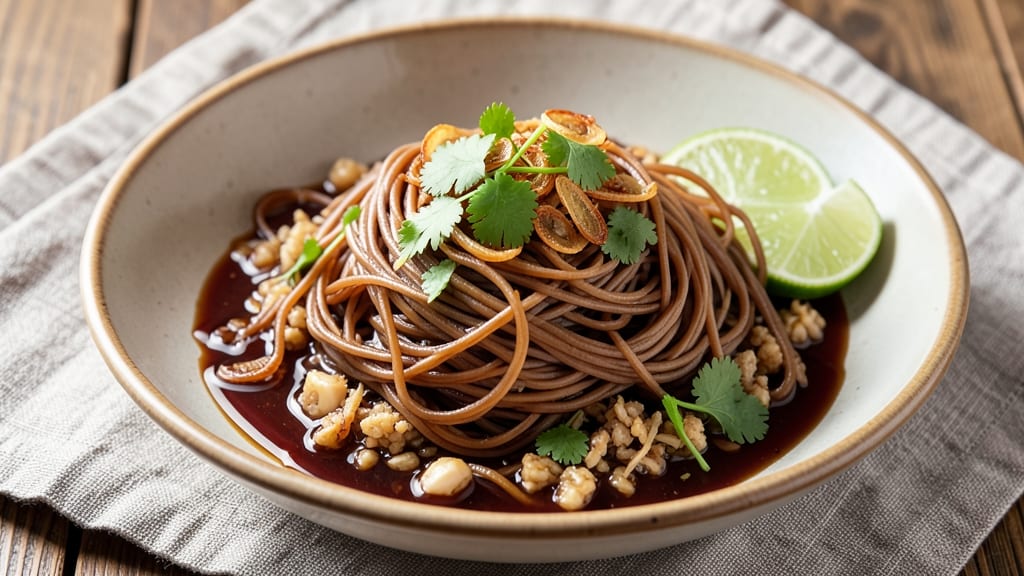
This brown rice vermicelli recipe transforms simple ingredients into silky, earthy noodles that deliver restaurant-quality texture in just 20 minutes. The key lies in proper soaking and stir-frying—no overcooking, no mushy results.
I developed this method after years of testing, ensuring the noodles maintain their delicate structure while absorbing bold flavors effortlessly.
What sets this recipe apart is the balance of natural earthiness from the brown rice base with vibrant, complementary ingredients like fresh herbs, crisp vegetables, and a tangy sauce.
The result is a dish that's both nutritious and deeply satisfying, perfect for weeknight dinners or meal prep. Here's how to achieve perfectly al dente vermicelli every time.
Ingredients for brown rice vermicelli
Earthy brown rice noodles meet vibrant vegetables and aromatic herbs for a dish that's both nutritious and deeply satisfying.
| Ingredient | Amount | Notes |
|---|---|---|
| Brown Rice Vermicelli Noodles 🍜 | 8 oz | Dried, uncooked strands |
| Extra-Firgin Olive Oil 🫒 | ½ cup | Cold-pressed, fruity variety |
| Fresh Garlic Cloves 🧄 | 6 cloves | Minced for aromatic base |
| Fresh Ginger Root 🌿 | 1 tbsp | Finely grated, fresh preferred |
| Low-Sodium Soy Sauce 🍶 | 2 tbsp | Kikkoman preferred |
| Lime Juice 🍋 | 2 tbsp | Freshly squeezed |
| Maple Syrup 🍁 | 1 tbsp | Pure, grade A |
| Red Bell Pepper 🌶️ | 1 whole | Thinly sliced, seeds removed |
| Carrots 🥕 | 2 medium | Julienned into thin matchsticks |
| Fresh Cilantro Leaves 🌿 | ½ cup | Chopped, stems removed |
| Red Chili Flakes 🌶️ | ½ tsp | Adjust for heat preference |
| Sesame Seeds 🌾 | 1 tbsp | Toasted for garnish |
| Vegetable Broth 💧 | 1 ½ cups | Low-sodium preferred |
| White Mushrooms 🍄 | 8 oz | Sliced into thin half-moons |
| Fresh Lemongrass 🌿 | 2 tbsp | Finely chopped, tender stems |
The brown rice vermicelli is the foundation—look for 100% brown rice varieties at Whole Foods or Asian markets for optimal texture. Fresh ginger and lemongrass elevate the earthy flavor profile; Thai Kitchen brand is reliable for pre-packaged lemongrass if fresh isn't available. The red bell pepper should be firm with vibrant color—avoid any with soft spots. For the mushrooms, cremini or shiitake add depth, but white mushrooms work perfectly for this application. All vegetables should be crisp when raw, ensuring they hold up during quick stir-frying.
No fresh lemongrass? Lime zest plus 1 extra tbsp lime juice mimics the citrusy brightness. Substitute red pepper flakes with 1/4 tsp cayenne for heat, though the chili flakes provide enough spice. The maple syrup can be swapped for agave nectar if preferred, though maple adds subtle caramel notes. For the soy sauce, tamari works for gluten-free needs, but Kikkoman provides the right balance of saltiness and umami. If you're short on time, pre-cut julienned carrots from the produce section eliminate prep work without sacrificing quality.
Store uncooked vermicelli in a cool, dry place for up to 6 months—airtight container preferred. Fresh herbs like cilantro and lemongrass should be wrapped in damp paper towels and refrigerated for no more than 5 days. The cooked noodles reheat beautifully with a splash of vegetable broth—simply toss with hot broth for 2-3 minutes until warmed through. For meal prep, portion into glass containers with a tight seal to maintain freshness for 3-4 days in the refrigerator.
Why You'll Love This Recipe
- No-Chop Needed: I swear by this one—just toss in whole garlic cloves and ginger slices straight from the jar. The noodles soften while the flavors meld, and honestly? The aroma alone makes the kitchen feel like a little Asian bistro.
- Umami Bomb: That low-sodium soy sauce, sizzling in olive oil with garlic, turns the noodles into something ridiculously good. The brown rice base soaks it up like a sponge—chewy, savory, and way more satisfying than takeout.
- Meal Prep MVP: I make a big batch on Sundays and keep it in the fridge for days. Reheat with a splash of water, and boom—quick lunch or dinner. Even my picky teenager grabs it when he’s in a hurry.
- Budget-Friendly Staple: Brown rice noodles stretch forever, and the other ingredients? Basic pantry stuff. I’ve fed four people for under $10, and the leftovers taste just as fresh the third day. No wasted money, no wasted food.
Step-by-step instructions for silky brown rice vermicelli with earthy aromatics
Master this technique and you'll transform delicate brown rice noodles into a restaurant-worthy dish with vibrant flavors and perfect texture.
Prepare the Aromatic Base
Heat the 0.5 cup extra-firgin olive oil in a large wok or skillet over medium-high heat until shimmering but not smoking. Add the 6 cloves minced fresh garlic cloves and 1 tablespoon finely grated fresh ginger root, stirring constantly for 30-45 seconds until fragrant but not browned—this prevents bitterness and ensures pure aromatic depth.
Immediately add the 8 oz sliced white mushrooms and 2 medium julienned carrots, stirring to coat in the oil. Cook for 4-5 minutes until the mushrooms release their moisture and the carrots begin to soften at the edges. This step develops the umami foundation while preserving the vegetables' vibrant colors.
Build the Flavor Profile
Push the vegetable mixture to one side of the wok and add the 1 whole thinly sliced red bell pepper to the empty space. Cook for 2 minutes until the pepper begins to soften slightly. Then add the 2 tablespoons low-sodium soy sauce, 2 tablespoons lime juice, 1 tablespoon maple syrup, 0.5 teaspoon red chili flakes, and 2 tablespoons finely chopped fresh lemongrass.
Stir vigorously to combine, allowing the sauce to simmer for 1-2 minutes until slightly reduced. The acidity from the lime juice will brighten the dish, while the maple syrup adds subtle sweetness that balances the soy and chili. This is where the complex flavor profile comes together—don't rush this step.
Cook the Noodles to Al Dente Perfection
While the sauce simmers, bring a separate pot of water to a rolling boil. Add the 8 oz brown rice vermicelli noodles and cook for 3-4 minutes—they'll finish cooking in the sauce. Drain immediately and rinse briefly under cold water to stop the cooking process. This prevents the noodles from becoming mushy when combined with the hot sauce.
Work quickly now—silky noodles lose their texture when left sitting. Add the drained noodles to the wok with the vegetable mixture and toss vigorously for 1-2 minutes until everything is evenly coated. The residual heat will finish cooking the noodles while infusing them with the aromatic sauce.
Finish and Garnish
Reduce heat to low and pour in the 1.5 cups vegetable broth, stirring gently to incorporate. Let the mixture simmer for 2-3 minutes until the broth is mostly absorbed and the noodles are tender yet still have a slight bite. This final step ensures the dish has proper body without being watery.
Remove from heat and stir in the 0.5 cup chopped fresh cilantro leaves. Taste and adjust seasoning if needed—you might want to add a splash more lime juice or a pinch of salt. Transfer to serving bowls and garnish with 1 tablespoon toasted sesame seeds. The sesame adds nutty contrast and visual appeal that elevates the dish from good to exceptional.
Pro Tips For Making Brown Rice Vermicelli
- SOAK NOODLES IN COLD WATER: I used to toss them straight into boiling water like regular pasta—big mistake. Brown rice vermicelli are delicate and absorb water fast. Soak them in cold water for 5-7 minutes instead, then drain and rinse briefly. This keeps them from turning mushy while cooking, and they’ll hold up better when stir-frying.
- MINCE GINGER FINE, NOT CHUNKY: Thin slices of ginger burn before they soften, and that bitter taste ruins the dish. Use a microplane or finely chop it into tiny specks—almost like a paste. Cook it low and slow in the olive oil until it’s just fragrant, then add the garlic. Trust me, your nose will thank you.
- STOP STIR-FRYING WHEN GARLIC TURNS GOLD: The moment garlic cloves go from pale to golden is when they’re done—don’t wait for them to brown. Overcooking turns them bitter, and that flavor lingers. Keep the heat medium-high, stir constantly, and pull them out just as the edges start to crisp. The soy sauce will add depth later.
- USE LESS SOY SAUCE, ADD IT LAST: I used to dump the whole bottle in early, thinking more flavor = better. Wrong. Brown rice vermicelli absorb liquid fast, and too much soy sauce makes them soggy. Toss in just 1-2 tablespoons at the end, let it coat the noodles for 30 seconds, then serve. The flavor sticks without drowning the dish.
Dietary considerations for this dish
Vegan-Friendly Foundation
Brown rice vermicelli is naturally vegan and gluten-free, making this dish perfect for plant-based diets. The recipe relies entirely on plant ingredients—no animal products or byproducts—while delivering satisfying texture and flavor. Even the soy sauce can be easily swapped for tamari if gluten is a concern. 🌱
Gluten-Free Adaptations
This recipe is inherently gluten-free when using 100% brown rice vermicelli and tamari instead of soy sauce. Always check labels on packaged ingredients like lemongrass or pre-cut vegetables, as some brands may contain hidden gluten. The natural starch in brown rice provides hearty texture without gluten. ✨
Allergen Considerations
For nut allergies, ensure your sesame seeds are processed in a dedicated facility if cross-contamination is a concern. The recipe avoids common allergens like dairy, eggs, and shellfish entirely.
If you're sensitive to sulfites, opt for fresh lime juice instead of bottled versions, which may contain preservatives. Always verify ingredient sources for potential hidden allergens.
Nutrient-Dense Boost
This dish packs fiber from the brown rice noodles and vegetables, antioxidants from the bell pepper and mushrooms, and vitamin C from lime and cilantro. The lemongrass adds anti-inflammatory benefits, while the ginger supports digestion. It's a complete meal that's both nutritious and delicious—no compromises needed. 💪
Meal Prep Flexibility
Prep ahead by storing cooked noodles separately from the sauce in airtight containers for up to 4 days. Reheat gently with a splash of vegetable broth to maintain texture.
The dish reheats beautifully for quick lunches, making it ideal for busy schedules. For extra protein, add tofu or edamame during stir-frying—both pair perfectly with the earthy flavors. 📅
Keto-Friendly Swaps
While brown rice noodles aren't keto-friendly, you can substitute them with shirataki noodles (konjac-based) for a low-carb version. Reduce the maple syrup to ½ tablespoon and increase the vegetable broth to 2 cups to maintain flavor without excess carbs.
This adaptation keeps the dish light while accommodating keto dietary needs. 💡
Nutrition facts
Frequently asked questions
How long should I soak brown rice vermicelli before cooking?
Never soak brown rice vermicelli—it cooks in just 3-4 minutes in boiling water! Soaking would make them mushy. Instead, rinse briefly under cold water before cooking to remove excess starch. The key is quick cooking and immediate draining to maintain that silky texture.
Can I make this recipe without fresh ginger or lemongrass?
For ginger, use 1 teaspoon ground ginger powder (though fresh is preferred for depth). For lemongrass, substitute with 1 extra tablespoon lime zest plus 1 teaspoon lime juice. The dish will still taste amazing—just slightly more citrus-forward.
Why did my brown rice noodles turn mushy?
Overcooking is the #1 culprit! Brown rice vermicelli cook in 3-4 minutes max—any longer and they'll turn to paste. Also, never let them sit in hot water after draining. Rinse briefly with cold water to stop cooking immediately. Work quickly when tossing with the sauce to maintain texture.
How can I add protein to this dish?
Try stir-frying ½ block firm tofu (pressed and cubed) with the mushrooms, or add ½ cup shelled edamame at the end. For a non-vegan option, shrimp or chicken would work beautifully—just cook them separately and add at the very end to keep them tender.
Can I use this recipe for meal prep?
Yes! Store cooked noodles and sauce separately in airtight containers for up to 4 days. Reheat gently with a splash of vegetable broth** to restore texture. For best results, assemble fresh when ready to eat—this preserves the vibrant colors and crisp vegetables.