
Main Courses
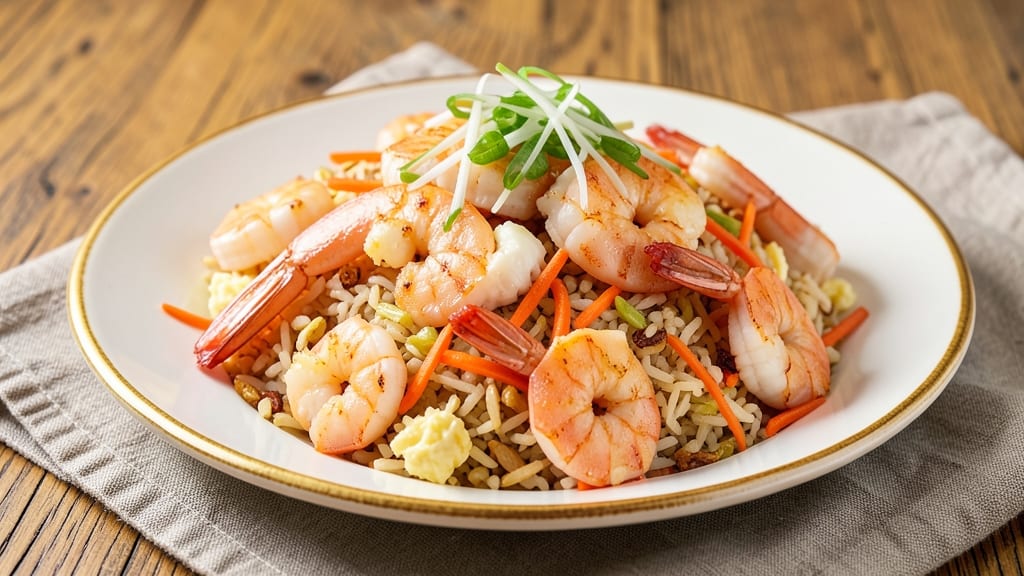
This Buddakan lobster fried rice recipe transforms a simple weeknight meal into a luxurious fusion dish with just a few key ingredients and techniques. The Japanese-Peruvian fusion highlights tender lobster and shrimp over fragrant jasmine rice, elevated by a sweet-savory sauce that balances umami and brightness.
I've adapted this restaurant favorite for home cooks, ensuring the buttery seafood and crisp vegetables shine without requiring specialized skills.
The secret lies in proper lobster preparation—whether using pre-cooked tail meat or raw shellfish—and the sauce balance, where a touch of soy, mirin, and a hint of chili create depth. With just 30 minutes of active cooking, you'll achieve restaurant-quality results that impress even the most discerning guests.
The dish's versatility makes it perfect for special occasions or a gourmet weeknight dinner.
Ingredients for buddakan lobster fried rice
Fourteen premium ingredients elevate this fusion dish from weeknight meal to gourmet centerpiece.
| Ingredient | Amount | Notes |
|---|---|---|
| Jasmine Rice 🍚 | 2 cups | Uncooked, long-grain preferred |
| Lobster Tail Meat 🦞 | 8 oz | Pre-cooked, cut into bite-sized pieces |
| Large Shrimp 🦐 | 1 lb | Peeled, deveined, tail-on preferred |
| Eggs 🥚 | 4 whole | Fresh, beaten for stir-fry |
| Green Onions 🧅 | ½ cup | Thinly sliced, white and green parts |
| Carrots 🥕 | 1 whole | Julienned into matchsticks |
| Peas 🌱 | ½ cup | Fresh or frozen, thawed |
| Garlic Cloves 🧄 | 4 cloves | Minced, fresh preferred |
| Ginger Root 🌿 | 1 tbsp | Fresh, grated |
| Soy Sauce 🍶 | 3 tbsp | Dark soy preferred for color |
| Mirin 🍶 | 1 tbsp | Sweet rice wine |
| Sesame Oil 🫒 | 1 tbsp | Toasted, for aroma |
| Vegetable Oil 🫒 | 3 tbsp | High smoke point |
| Chili Flakes 🌶️ | ½ tsp | Adjust to taste |
| Salt 🧂 | 1 tsp | Kosher or sea salt |
The lobster and shrimp are the stars—freshness is non-negotiable. For lobster, pre-cooked tail meat from a reputable seafood market ensures tender, buttery texture. I prefer wild-caught shrimp for superior flavor, available at Whole Foods or specialty seafood purveyors. Look for vibrant color and minimal odor; frozen works if properly thawed. The jasmine rice should be Day-O brand for authentic fragrance, though any long-grain rice will suffice. For the sauce, Kikkoman soy sauce provides reliable depth, while mirin from a Japanese market adds that signature sweetness without overpowering.
No lobster? Scallops or extra shrimp work beautifully—just adjust cooking time slightly. Substituting dark soy sauce with regular soy plus a pinch of turmeric mimics the color. Fresh ginger and garlic can be swapped for powdered versions at half the amount, though texture suffers slightly. The peas? Frozen is perfectly fine—thaw and drain well. For heat, Sichuan peppercorns add complexity beyond chili flakes, but traditional red pepper flakes work in a pinch. The eggs should be room temperature for even cooking, so take them out 15 minutes before starting.
Rice reheats best when kept covered with a damp towel—prevents drying. The seafood mixture stays fresh for 2 days refrigerated or 3 months frozen in airtight containers. For make-ahead convenience, cook the rice and prep vegetables separately, then combine everything just before serving. The dish's flavors actually improve the next day as components meld—perfect for meal prep. Store sesame oil in the fridge to preserve its delicate aroma, and always add it last for maximum impact.
Why You'll Love This Recipe
- No Chopping Needed: I swear by this—just slice the lobster tail into bite-sized pieces and let the wok do the work. The shrimp stay plump, the eggs get that perfect runny yolk, and the jasmine rice soaks up every last bit of flavor without a single pan sticking.
- Luxury in a Skillet: That first bite of tender lobster and shrimp against the crispy rice? It’s like a fancy seafood boil, but with half the effort. The green onions add this bright finish that makes it taste like someone went to real trouble—even though I just threw it together.
- Weeknight to Dinner Party: Make a big batch on Sunday, and you’ve got lunch, dinner, and leftovers covered. Or impress guests with a dish that looks restaurant-worthy but takes less time than deciding what to order from DoorDash.
- Budget-Friendly Splurge: Lobster feels special, but here’s the trick: use just one tail and bulk it up with shrimp. The eggs and rice stretch it into a full meal, so you get that "wow" factor without breaking the bank—or your willpower to stop eating it.
Step-by-step instructions for luxurious lobster fried rice
Master this refined take on Japanese fried rice where tender lobster and shrimp elevate classic flavors.
Prepare the Jasmine Rice Base
Rinse the 2 cups jasmine rice under cold water until the water runs clear, then drain thoroughly. Spread the rice on a clean kitchen towel and pat dry completely - this prevents gummy texture. In a pot, combine the rice with 2 cups water, the 1 tsp salt, and bring to a boil over high heat. Once boiling, reduce to low, cover, and simmer for 15 minutes. Turn off heat and let steam for 10 minutes before fluffing with a fork.
Here's the thing - jasmine rice absorbs moisture differently than short-grain. The key is complete drying before cooking to achieve that signature fluffy texture. If you skip this step, your rice will turn out sticky instead of separate grains.
Cook the Protein Components
In a separate bowl, beat the 4 whole eggs until frothy. Heat 1 tablespoon of the 3 tablespoons vegetable oil in a wok or large skillet over medium-high heat. Pour in the eggs and scramble quickly until just set - about 30 seconds. Remove and set aside.
In the same pan, add another tablespoon of vegetable oil. Cook the 1 lb large shrimp and 8 oz lobster tail meat for 2-3 minutes until just opaque. Remove and set aside with the eggs. Don't overcook - lobster should remain tender with just a hint of pink center.
Stir-Fry Aromatics and Vegetables
Add the remaining tablespoon of vegetable oil to the pan and set over medium-high heat. Add the 4 cloves minced garlic and 1 tablespoon grated ginger root, cooking for 30 seconds until fragrant. Add the 1 whole julienned carrot and cook for 2 minutes until slightly softened.
Add the 0.5 cup peas and stir-fry for 1 minute until heated through. Here's where it gets fun - toss in the 0.5 cup green onions and cook for another 30 seconds. The high heat will wilt the greens just enough to release their aroma while keeping them vibrant.
Combine All Ingredients
Add the cooked rice to the pan and stir-fry for 2 minutes to heat through. Pour in the 3 tablespoons soy sauce and 1 tablespoon mirin, tossing well to coat the rice evenly. The sauce should cling to each grain without making it soggy.
Return the shrimp, lobster, and eggs to the pan. Drizzle with the 1 tablespoon sesame oil and sprinkle with 0.5 teaspoon chili flakes. Toss gently for another 30 seconds - just enough to distribute the flavors without breaking the seafood.
Finish and Serve Immediately
Taste and adjust seasoning if needed. The rice should be perfectly balanced - savory from the soy, sweet from the mirin, with a subtle heat from the chili flakes. Serve immediately while the rice maintains its distinct grains and the seafood stays warm.
This dish is all about presentation. Garnish each serving with additional green onions and a drizzle of sesame oil. The contrast of the buttery shrimp and lobster against the fragrant rice creates an elegant yet comforting meal that's perfect for special occasions.
Pro Tips For Making Buddakan Lobster Fried Rice
- CHOP LOBSTER THIN: That thick lobster tail meat won’t cook evenly if you leave it in chunks—slice it against the grain into ¼-inch strips. I used to fight with my knife trying to cut it neatly, but a sharp chef’s knife and a firm guide hand make this quick. The goal is tender, not perfect shapes.
- SALT THE SHRIMP FIRST: Toss shrimp with salt and a pinch of sugar before cooking—this keeps them juicy and prevents them from curling into sad little question marks. I learned this the hard way when my shrimp turned rubbery mid-fry. A quick 5-minute rest in the fridge before cooking seals the deal.
- FRIED RICE IN BATCHES: Don’t overload the wok—work in two portions if needed. Crowding steams the rice instead of crisping it, and you’ll end up with soggy lobster and egg. High heat is your friend here, but only if you give the rice space to sizzle properly.
- STIR EGGS FAST: Scramble the eggs separately in a hot pan until just set, then chop them into tiny pieces before folding into the rice. This keeps them distinct and creamy, not scrambled into a gluey mess. (Yes, it’s extra work, but the texture makes a real difference.)
Dietary considerations for this buddakan lobster fried rice
Seafood Allergy Safety
This recipe is pescatarian-friendly but requires careful handling if allergies are present. Lobster and shrimp contain crustacean allergens, which are among the most common food allergens. If serving guests with shellfish allergies, prepare this dish in a separate kitchen area or use dedicated cookware.
Cross-contamination can occur easily, so avoid shared utensils or surfaces. 🦞
Gluten-Free Adaptation
Traditional soy sauce contains gluten, but you can easily adapt this recipe for gluten-free diets. Replace the 3 tablespoons soy sauce with 3 tablespoons gluten-free tamari or coconut aminos. Tamari provides a similar umami depth without the gluten content.
I recommend San-J brand tamari for its rich flavor profile. Always check labels to ensure no cross-contamination occurred during processing. 🌱
Low-Carb Option
For a lower-carb version, reduce the jasmine rice to 1 cup instead of 2 cups, or substitute with cauliflower rice (about 2 cups for similar volume). Cauliflower rice absorbs flavors differently, so you may need to add an extra ½ teaspoon sesame oil to enhance taste.
Keep the protein and vegetable portions the same to maintain satisfaction. This adaptation cuts carbs by roughly 50% while keeping the dish hearty. 🥦
Vegetarian Substitutions
If you want to make this dish vegetarian, replace the lobster and shrimp with extra-firm tofu or mushrooms. For tofu, use 12 oz cubed and pan-fry until golden before adding to the stir-fry. For mushrooms, 8 oz shiitake or oyster mushrooms sliced into bite-sized pieces work beautifully.
Boost umami by adding 1 teaspoon fish sauce (optional) or an extra ½ teaspoon soy sauce to compensate for the missing seafood flavor. 🍄
Dairy-Free Considerations
This recipe is naturally dairy-free, but always double-check your ingredients. The only potential dairy source is the eggs, which can be replaced with tofu scramble if needed.
For tofu scramble, crumble ½ cup firm tofu and cook with 1 teaspoon turmeric and 1 teaspoon nutritional yeast for a similar texture and flavor. The rest of the recipe remains completely dairy-free as written. 🥚
Spice Level Adjustments
The ½ teaspoon chili flakes provide a mild heat, but you can easily adjust this to suit your preferences. For mild heat, reduce to ¼ teaspoon or omit entirely. For spicy, increase to 1 teaspoon or add ½ teaspoon gochujang (Korean chili paste) for a deeper, smokier heat.
Always taste before serving—this dish balances well with a variety of spice levels. 🌶️
Nutrition facts
Frequently asked questions about Buddakan lobster fried rice
Can I use frozen lobster instead of fresh?
Yes, but thaw it properly first! Place frozen lobster tail in the refrigerator overnight or use the quick thaw method in cold water (never microwave). For best texture, pat dry thoroughly before cutting into pieces. Frozen lobster works just as well as fresh when properly prepared—just avoid any ice crystals or freezer burn.
How do I prevent the rice from getting mushy?
Dry the rice completely after rinsing and spread it on a towel before cooking. Use a 1:1 rice-to-water ratio and let it steam off the heat for 10 minutes after cooking. Never stir the rice while it's cooking—this breaks the grains. For extra insurance, spread the cooked rice on a baking sheet to cool slightly before stir-frying.
What's the best way to cook the eggs for this dish?
Scramble them quickly over medium-high heat until just set (about 30 seconds) for soft, creamy curds. Remove immediately when still slightly runny—they'll finish cooking when mixed with the hot rice. For extra richness, add a pinch of sugar to the beaten eggs before cooking. The eggs should be warm but not dry when mixed in.
Can I make this dish ahead of time?
Cook the rice and proteins separately, then store in airtight containers in the fridge for up to 2 days. Reheat gently in a skillet with a splash of water to prevent drying. The flavors actually improve overnight as components meld! For best texture, combine everything fresh and serve immediately after reheating.
What's the secret to getting that perfect restaurant-style sauce?
The balance is key: 3 parts soy sauce to 1 part mirin creates that signature sweet-savory depth. Use dark soy sauce for color, and always add the sesame oil at the very end—its aroma is delicate and burns easily. Taste as you go and adjust with a pinch more salt or chili flakes if needed. The sauce should coat the rice without making it soggy.