
Main Courses
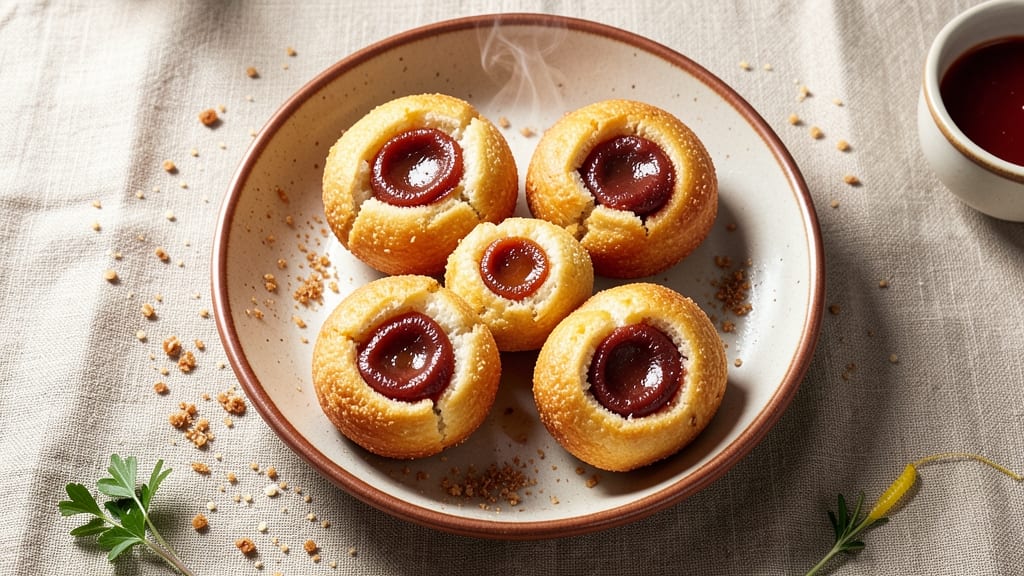
This bungeoppang recipe with rice flour delivers the perfect balance of crispy, golden shells and gooey sweet fillings that make every bite unforgettable.
The traditional Korean dessert transforms simple rice flour into delicate pancakes that encase rich red bean paste or caramelized brown sugar, creating a textural contrast that's pure magic. Mastering the dough consistency and cooking technique ensures that crispy crust you crave without compromising the tender center.
The secret lies in the rice flour's ability to create a paper-thin, lacy shell when cooked just right—neither too thick nor too delicate.
Whether you prefer the classic sweet red bean filling or a simpler brown sugar version, this recipe captures the heart of Korean street food culture while being approachable for home cooks.
With just a few key ingredients and precise timing, you'll achieve restaurant-quality bungeoppang that's crispy on the outside and perfectly tender inside.
Ingredients for bungeoppang recipe rice flour
Crispy shells and sweet fillings start with these 12 essential ingredients for perfect bungeoppang.
| Ingredient | Amount | Notes |
|---|---|---|
| Rice Flour 🌾 | 1 ½ cups | Glutinous rice flour preferred |
| Sweet Red Bean Paste 🍫 | 1 cup | Store-bought or homemade |
| Brown Sugar 🍯 | ½ cup | Packed for filling option |
| Water 💧 | ¾ cup | Room temperature preferred |
| Vegetable Oil 🫒 | 2 tbsp | For frying, neutral flavor |
| Granulated Sugar 🍚 | ¼ cup | For dough sweetness |
| Baking Powder 🧂 | ½ tsp | For light texture |
| Salt 🧂 | ¼ tsp | Fine sea salt preferred |
| Sesame Seeds 🌰 | 1 tbsp | Toasted for garnish |
| Vegetable Shortening 🧈 | 1 tbsp | For dough pliability |
| Cornstarch 🌾 | 1 tbsp | For crispy texture |
| Vanilla Extract 🌸 | ½ tsp | Optional for aroma |
Rice flour is the star here—glutinous rice flour creates that signature crispy texture, but regular rice flour works in a pinch. Asian grocery stores carry it in bulk, or check the international aisle at major supermarkets. The sweet red bean paste should be thick and smooth; Lotus Foods brand is a reliable choice. For the brown sugar filling, pack it tightly into the measuring cup for accurate results. If you can't find glutinous rice flour, mix 1 cup regular rice flour with 1/2 cup cornstarch to mimic the texture.
No sweet red bean paste? Substitute with mashed sweet potatoes or caramelized brown sugar for a simpler version. The dough needs to be pliable but not sticky—if it feels too dry, add a teaspoon of water at a time. For extra crispiness, add an extra tablespoon of cornstarch to the dough. The sesame seeds should be toasted lightly in a dry pan before sprinkling to enhance their nutty flavor. If you're short on sesame seeds, toasted pine nuts or crushed peanuts work well as alternatives.
Store the rice flour in an airtight container in a cool, dark place to maintain freshness for up to 6 months. The sweet red bean paste keeps in the fridge for 2 weeks or freezer for 3 months. For best results, prepare the dough and filling the same day you plan to cook. Once fried, bungeoppang can be stored at room temperature for 2 days in an airtight container, though they're best enjoyed fresh for that perfect crispy texture.
Why You'll Love This Recipe
- No Special Tools: I just need a pan, a spoon, and patience—no fancy gadgets. The rice flour batter is forgiving, so even if I mess up the shape, the crispy outside and gooey red bean center still win.
- Sweet-Savory Magic: That brown sugar caramelizing in the oil? It’s the secret—deep, toasty notes that cut through the sweetness of the red bean paste. Honestly, the first bite makes me forget it’s just a snack.
- Weeknight or Party: Make a batch on Sunday, freeze half, and reheat for lazy nights. Or serve them warm at a potluck—no one will guess they’re this easy. (Yes, even on a Tuesday night.)
- Pocket-Friendly Comfort: Rice flour and brown sugar are cheap staples, and a little oil goes a long way. I’ve fed four people for under $5 with this—crispy, satisfying, and no one complains.
Step-by-step instructions for bungeoppang with rice flour
Here's how to craft these iconic Korean patties with perfectly crisp shells and gooey sweet centers.
Mix the Dough for Perfect Texture
In a large bowl, combine the 1.5 cups rice flour, 1 tbsp cornstarch, 0.5 tsp baking powder, and 0.25 tsp salt. Whisk until evenly distributed—this ensures your shells will puff up beautifully. In a separate small bowl, mix the 0.75 cup water, 2 tbsp vegetable oil, and 1 tbsp vegetable shortening until smooth. Pour the wet mixture into the dry ingredients and stir gently with a spatula until just combined.
Add the 0.25 cup granulated sugar and 0.5 tsp vanilla extract, mixing until the dough comes together. It should be soft but not sticky—if it feels too dry, add 1-2 tsp water at a time. Cover the bowl with plastic wrap and let the dough rest for 30 minutes at room temperature. This resting period relaxes the gluten, making the shells crispier when fried.
Shape the Patties with Sweet Red Bean Filling
Divide the dough into 4 equal portions (about 4 oz each) and roll each into a 6-inch circle about ¼-inch thick on a lightly floured surface. Place ¼ cup sweet red bean paste in the center of each circle, then fold the dough over the filling to completely enclose it. Press the edges firmly to seal—this prevents the filling from leaking during frying.
Roll each sealed patty into a 1-inch thick oval shape, about 3 inches long. The thickness is critical—too thin and they won't puff; too thick and they'll be dense. Place the shaped patties on a parchment-lined tray, cover with a clean kitchen towel, and let them rest for 15 minutes before frying. This final rest ensures even cooking and optimal puffing.
Fry Until Golden and Crisp
Heat 2 cups vegetable oil in a deep skillet or Dutch oven to 350°F—use a thermometer to monitor the temperature precisely. Fry 2 patties at a time for 3-4 minutes per side until they turn a deep golden brown color. The oil should bubble gently around the patties, indicating proper heat. If the oil smokes excessively, reduce the heat slightly to maintain 350°F.
Here's the crucial moment: when the patties are golden brown, carefully transfer them to a wire rack set over a paper towel-lined plate. Let them rest for 5 minutes before serving. This resting period allows the steam inside to redistribute, ensuring the shells stay crisp while the filling remains gooey. If you cut into them too soon, the filling will ooze out.
Garnish and Serve Warm
While the patties are still warm, sprinkle each one generously with 1 tbsp toasted sesame seeds. Use a small sieve for even distribution—this adds both texture and aroma. The sesame seeds should stick lightly to the crispy surface without overwhelming the delicate shell. Serve immediately while the patties are at their peak—crispy shells give way to warm, sweet red bean filling with every bite.
For an extra touch, dust the serving plate with a pinch of 0.5 cup brown sugar before placing the patties on top. This adds a subtle caramelized sweetness that complements the filling. Enjoy these bungeoppang while they're still warm, as the texture and flavor degrade quickly once cooled.
Pro Tips For Making Bungeoppang Recipe Rice Flour
- STEAM AT 170°F: I learned this the hard way—bungeoppang needs a gentle steam, not a rolling boil. Use a pot with a tight lid and keep the water at a steady 170°F (77°C). Too hot, and your pastries puff unevenly; too cool, and they’ll turn out dense. A thermometer helps, but even without one, watch for tiny bubbles—just enough to keep the steam soft.
- MIX BEAN PASTE LAST: The filling should stay thick and smooth, not watery. After combining rice flour, sugar, and water into a dough, press the red bean paste into the center after shaping the balls. If you mix it in early, the dough absorbs moisture and becomes sticky—your hands (and counter) will hate you.
- CHILL DOUGH 30 MINUTES: Skip this, and your bungeoppang will crack open while frying. Roll the dough into balls, then refrigerate them uncovered for 30 minutes. The surface firms up just enough to hold its shape—no more sad, flat pancakes. Pro move: Use a wire rack so they don’t stick.
- FRY IN BATCHES OF 3: Crowd the pan, and the oil temperature drops like a rock. Fry 3 balls at a time over medium heat (325°F/163°C), turning once with a slotted spoon. If the oil smokes, lower the heat—burnt edges ruin everything. A splatter screen is your friend here; trust me.
Make-ahead tips for this dish
Dough Prep Ahead
Make the dough the night before for foolproof results. After mixing all ingredients, cover tightly with plastic wrap and refrigerate for up to 24 hours.
The cold rest enhances flavor development and makes rolling easier. Let it sit at room temperature for 30 minutes before shaping—this prevents cracking during frying. 💫
Filling Prep Tips
Prepare your sweet red bean paste or brown sugar filling in advance and store in airtight containers. For the red bean version, microwave for 20-30 seconds before using to soften slightly.
The filling should be cool when assembling patties to prevent premature melting. I like to portion it into ¼ cup servings in small containers for easy handling.
Frying in Batches
Fry only 2 patties at a time to maintain consistent oil temperature. Keep cooked patties warm in a 200°F oven on a wire rack while finishing the batch.
This prevents sogginess from steam buildup. Use a slotted spoon to transfer patties—never overcrowd the pan, or temperatures will drop and shells won't crisp properly.
Make-Ahead Storage
Store completed bungeoppang in an airtight container at room temperature for 2 days maximum. For longer storage, freeze uncooked shaped patties on a tray before transferring to a bag. Reheat frozen patties in a 375°F oven for 8-10 minutes until crispy. Microwaving destroys the crispy texture—always reheat in the oven.
Freezer-Friendly Dough
Divide the prepared dough into portions and wrap each tightly in plastic wrap. Freeze for up to 1 month. Thaw overnight in the fridge before using. The texture remains excellent after freezing, though shells may be slightly less crisp.
I find freezing dough especially helpful for making large batches—just shape and fry as directed when ready.
Reheating Tricks
For best results, reheat bungeoppang in a 350°F oven for 3-4 minutes on a wire rack. Place a metal tray underneath to catch any filling that might ooze out. Avoid reheating in air fryers—they can make shells too crispy while leaving centers undercooked.
A quick stovetop refresh works too: pan-fry in 1 tbsp oil for 1 minute per side at medium-high heat.
Nutrition facts
Frequently asked questions
Can I substitute regular rice flour for glutinous rice flour?
Regular rice flour won't give you the same signature crispy texture, but you can create a close substitute by mixing 1 cup regular rice flour with ½ cup cornstarch. This combination mimics the moisture absorption and crispiness of glutinous rice flour. For best results, use the mixture immediately after combining - it works best fresh.
Why did my bungeoppang turn out dense instead of crispy?
Dense bungeoppang usually means one of two things: either the dough was too thick (over ¼-inch when rolled) or the oil temperature wasn't hot enough (350°F is critical). Also check that your rice flour was properly rested after mixing - 30 minutes at room temperature helps create that crispy texture. For next time, roll the dough thinner and monitor your oil temperature carefully.
What's the best way to store leftover bungeoppang?
Keep them in an airtight container at room temperature for up to 2 days maximum - they lose crispiness quickly. For longer storage, freeze the uncooked shaped patties on a tray before transferring to a bag. When reheating, always use the oven (350°F for 3-4 minutes) to restore that perfect crispy texture. Never microwave - it turns the shells soggy.
Can I make bungeoppang without sweet red bean paste?
Try these delicious alternatives: caramelized brown sugar (packed ½ cup), mashed sweet potatoes mixed with cinnamon, or even Nutella for a decadent twist. The key is to use a filling that's thick enough to hold its shape when wrapped - about ¼ cup per patty. Just make sure your filling is cool before assembling to prevent melting during frying.
How do I prevent the filling from leaking during frying?
Proper sealing is everything! After placing the filling in your dough circle, press the edges firmly together and roll tightly into the oval shape. For extra security, pinch the edges with your fingers while rolling. Also ensure your filling isn't too runny - if using red bean paste, it should hold its shape when scooped. A well-sealed patty should maintain its shape even when transferred to the frying pan.