
Main Courses
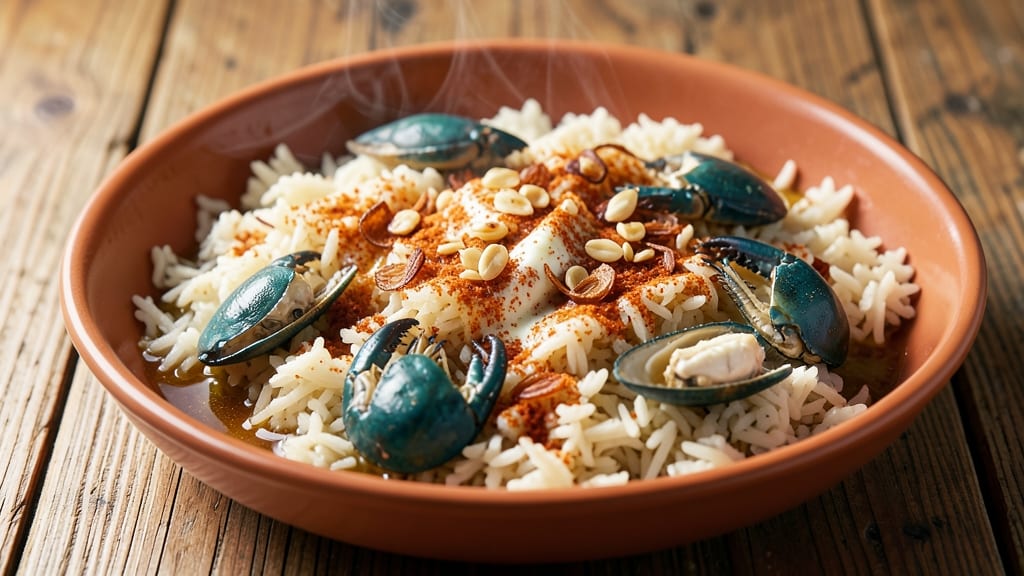
This Cajun crab and rice recipe delivers bold Louisiana flavors in a single pan, where spicy Cajun seasoning meets sweet, buttery crab and perfectly cooked rice. The secret lies in balancing heat with richness—sautéed crab infuses the rice with briny depth while the Cajun blend adds just the right kick.
No fancy techniques required, just one-pan simplicity for a dish that feels like a restaurant feast.
The result is tender crab nestled in fluffy, aromatic rice, coated in a buttery Cajun sauce that ties every bite together. Garnish with fresh green onions and a squeeze of lemon for brightness, and you’ve got a pescatarian-friendly main course that’s ready in under 30 minutes.
Perfect for weeknight dinners or impressing guests without the fuss.
Ingredients for cajun crab rice
Fourteen ingredients transform into a restaurant-worthy Cajun crab rice feast with minimal effort.
| Ingredient | Amount | Notes |
|---|---|---|
| Live Blue Crab Clusters 🦀 | 1 ½ lb | Freshly packed, shells on for flavor |
| Long-Grain White Rice 🍚 | 1 cup | Uncooked, jasmine or basmati preferred |
| Chicken Stock 💧 | 2 cups | Low-sodium, homemade or quality store-bought |
| Unsalted Butter 🧈 | 4 tbsp | European-style for higher smoke point |
| Cajun Seasoning 🌶️ | 2 tbsp | Homemade or trusted brand like Tony Chachere's |
| Garlic Cloves 🧄 | 4 cloves | Minced fine for even distribution |
| Shallots 🧅 | 2 whole | Minced, for aromatic depth |
| Fresh Green Onions 🌿 | ¼ cup | Sliced thin, for garnish |
| Lemon Juice 🍋 | 2 tbsp | Freshly squeezed, for brightness |
| Dry White Wine 🍷 | ½ cup | Sauvignon Blanc or Pinot Grigio |
| Seafood Stock 💧 | ½ cup | For added briny depth |
| Diamond Crystal Kosher Salt 🧂 | ½ tsp | For seasoning rice |
| Black Peppercorns 🌶️ | ¼ tsp | Freshly cracked for heat |
| Fresh Thyme Leaves 🌿 | ⅛ cup | Chopped, for herbal aroma |
The crab is the star, so prioritize freshness—look for live blue crabs at Whole Foods or your local seafood market, where they're packed with ice. Costco often carries pre-clustered crab meat, but fresh is ideal for that briny, sweet flavor. For the rice, jasmine or basmati varieties cook up fluffier than basic long-grain. The Cajun seasoning should be bold and balanced—Tony Chachere's is a reliable brand, but if you're making your own, ensure it's a mix of paprika, cayenne, garlic powder, onion powder, thyme, oregano, and black pepper. Shallots add subtle sweetness; don't sub onions unless you're willing to sacrifice depth.
No fresh crab? Pre-cooked crab clusters from the seafood section work in a pinch, but add an extra tablespoon of lemon juice to compensate for lost freshness. Short on white wine? Dry vermouth or extra seafood stock bridges the gap—just reduce the wine by half if substituting. The thyme can be dried at one-third the amount, but fresh is worth the effort. For the stock, homemade is best, but Knorr or Pacific brand are solid store-bought options. The butter should be European-style (like Plugrá) to handle the heat without burning, though regular unsalted works fine if you're in a hurry.
Rice reheats poorly, so cook it fresh or portion into greased containers for later. The crab shells can be saved for stock—simmer them with aromatics for 20 minutes, then strain. Store leftovers for up to 2 days in the fridge, but the rice dries out fast, so keep it covered tightly. For longer storage, freeze the crab and sauce separately—reheat the sauce first, then add the crab to warm through. Garnish with fresh green onions and lemon zest just before serving to preserve the bright flavors.
Why You'll Love This Recipe
- One-Pot Magic: I swear by this recipe because it’s literally one pot—no chopping, no fussing. Just toast the rice in butter, pour in stock and crab, sprinkle the Cajun seasoning, and let it simmer. That’s it. (Yes, even on a Tuesday night when I’d rather be scrolling.)
- Crabby Goodness: The second those sweet, briny crab clusters melt into the rice, you’ll forget about takeout. The Cajun seasoning gives it a smoky kick, while the butter keeps it rich—like a seafood boil without the mess. Honestly, my kids fight over the last bite.
- Weeknight or Weekend: This dish works everywhere. Too tired for dinner? It’s ready in 30 minutes. Hosting a dinner party? It’s fancy enough for guests but still feels like comfort food. I’ve served it at BBQs, potlucks, and lazy Sundays—no judgment here.
- Leftovers? More Like Leftovers: Between us, this tastes even better the next day. The rice soaks up all the crab juices, and the Cajun flavor deepens. I make a double batch on Sundays so I can reheat it for lunch—zero guilt, all flavor. (And it’s cheaper than buying crab alone.)
Step-by-Step instructions for Cajun crab and rice
Here's how to create a bold, flavorful one-pan dish where spicy Cajun notes meet sweet crab and buttery rice.
Sauté Aromatics and Build the Cajun Base
Heat a large, heavy-bottomed skillet over medium heat until hot. Add 2 tablespoons of the unsalted butter and let it melt completely, swirling to coat the pan. Add the 2 whole shallots and 4 cloves garlic cloves, minced finely, and cook for 3-4 minutes until the shallots become translucent and the garlic releases its aroma.
Stir in the 2 tablespoons Cajun seasoning and 0.125 cup fresh thyme leaves, cooking for another 30 seconds to toast the spices and deepen their flavors. This aromatic foundation is what carries the Cajun profile throughout the dish. Keep the heat at medium—you want to develop flavor without burning the spices.
Deglaze and Infuse the Rice with Flavor
Pour in the 0.5 cup dry white wine and scrape up any browned bits from the bottom of the pan with a wooden spoon. This deglazing step captures all the flavor you've built so far. Let the wine simmer for 2-3 minutes until it reduces by about half, leaving a glossy, concentrated liquid.
Add the 1 cup long-grain white rice, stirring to coat each grain in the wine and butter mixture. This ensures every bite will be infused with the Cajun spices and aromatic shallots. Pour in the 2 cups chicken stock and 0.5 cup seafood stock, then sprinkle with the 0.5 teaspoon diamond crystal kosher salt and 0.25 teaspoon freshly cracked black peppercorns. Bring to a gentle simmer, then reduce heat to low and cover the pan tightly with a lid.
Cook the Rice to Perfect Texture
Let the rice simmer undisturbed for 15 minutes. After this initial cooking time, you'll notice the rice has absorbed most of the liquid but still has a slight bite to it. This is where the magic happens—resist the urge to peek or stir, as this can disrupt the even cooking process.
After 15 minutes, remove the lid and gently fluff the rice with a fork. If the bottom appears dry, add 2-3 tablespoons of water and stir briefly. The rice should be tender but still have a slight resistance when bitten—this is the ideal al dente texture. Cover again and let it steam for another 5 minutes before adding the crab.
Add Crab and Finish with Bright Flavors
Remove the pan from heat and stir in the 1.5 lb live blue crab clusters, shells on, to distribute them evenly throughout the rice. The residual heat will gently cook the crab just enough to release its sweetness without overcooking. Add the 2 tablespoons lemon juice and 0.25 cup fresh green onions, sliced thin, and toss gently to combine.
Return the pan to low heat and let it warm through for 2-3 minutes. The lemon juice brightens the dish, cutting through the richness of the butter and crab, while the green onions add a fresh finish. Taste and adjust seasoning if needed—you may need a pinch more salt or a splash more lemon juice to balance the flavors.
Rest and Serve with Confidence
Remove the pan from heat and let the crab and rice rest together, covered, for 5 minutes. This resting period allows the flavors to meld and the crab to absorb the surrounding spices and aromatics. When ready to serve, give it one final gentle toss with a fork to ensure everything is evenly coated.
Serve immediately, garnished with additional sliced green onions if desired. The dish should be vibrant, with the Cajun spices lending a warm, spicy kick, the butter adding richness, and the lemon and seafood stock bringing brightness. Each bite should deliver a perfect balance of textures and flavors, from the tender rice to the sweet, succulent crab.
Pro Tips For Making Cajun Crab Rice
- Toast the Rice First: I learned this the hard way—skipping the toast makes the rice gummy. Sauté the dry rice in butter over medium-high heat for 2-3 minutes until it’s lightly golden and fragrant. This step locks in flavor and prevents mushiness later, especially when you add the crab’s moisture.
- Prep Crabs Like a Pro: Live crabs release water when cooked, so give them a quick rinse in cold water and pat them very dry with paper towels before adding to the rice. This cuts down on extra liquid in your pot and keeps the dish from turning into crab soup. (Yes, even if you’re impatient like me.)
- Simmer, Don’t Boil: Once the rice and stock are combined, lower the heat to a gentle simmer—just enough to see tiny bubbles at the edges. Boiling will turn the rice mushy, and you’ll end up with a sad, watery pile. Cover and cook until the rice absorbs the liquid, then let it steam off-heat for 5 minutes. (Your future self will thank you.)
- Save the Crab Juice: When the crabs are done, don’t dump their juices down the drain—strain them into a small bowl and stir a spoonful back into the rice at the end. That golden liquid is packed with flavor, and it makes the dish taste like it was simmered for hours. (I know, it’s weird, but it works.)
Regional styles of cajun crab rice
Louisiana Bayou Style
This dish is a direct nod to the Cajun country of Louisiana, where one-pot meals like gumbo and jambalaya reign supreme. The key difference here is the addition of blue crab, a coastal staple that transforms this into a seafood-centric version of traditional Cajun rice dishes.
In Louisiana, they'd often use holy trinity (onions, bell peppers, celery) as a base, but I've simplified it here with shallots and garlic for easier prep. 🦀
Texas Gulf Coast Twist
Down in Texas, particularly along the Gulf Coast, this dish takes on a slightly sweeter profile thanks to the use of shrimp instead of crab. However, if you're using crab, Texas chefs would likely add a dash of smoked paprika to the Cajun blend for a deeper, smokier note.
The Texas version also often includes a splash of hot sauce (like Cholula) on the side for guests to adjust heat levels. I find this works beautifully with crab too—just add it at the table.
Creole New Orleans Adaptation
In New Orleans, this dish would lean even more tomato-forward, with a base of santola sauce (a tomato-based Cajun sauce) instead of wine. The Creole version would also incorporate okra or filé powder (made from ground sassafras leaves) for thickening.
For a Creole-inspired twist, add ½ cup crushed tomatoes to the wine deglaze and finish with 1 tsp filé powder—just be sure to add it at the very end to avoid clumping. 🍅
Florida Keys Fusion
The Florida Keys take Cajun flavors and blend them with tropical influences, creating a lighter, citrus-forward version. Here, you'd swap the white wine for orange juice (about ½ cup) and add 1 tbsp grated orange zest to the Cajun base.
Fresh lime juice (instead of lemon) would brighten the dish, and sliced avocado would be a common garnish. The Keys version also often includes conch alongside crab for a true coastal fusion.
Spice Level Customizations
Adjusting the heat is key to regional preferences. For milder versions (common in Texas or Florida), reduce the Cajun seasoning to 1 tbsp and add ½ tsp smoked paprika instead.
For extra heat, like in Louisiana, add ½ tsp cayenne pepper to the Cajun blend and finish with hot sauce or pickled jalapeños. I like to keep it balanced—start with the 2 tbsp Cajun seasoning as written, then taste and adjust before serving. 🌶️
Vegetable Variations
Inspired by vegetarian adaptations, you can still keep the Cajun profile by adding sautéed mushrooms (about 1 cup) or bell peppers to the aromatics.
For a seafood-free version, use firm tofu or chickpeas instead of crab, but boost the Cajun seasoning to 3 tbsp to compensate for the lack of briny depth.
The rice cooking method stays exactly the same—just omit the crab in Step 4 and add your protein of choice at the end.
Nutrition facts
Frequently asked questions
Can I use canned crab instead of fresh live blue crab?
Yes, but the texture and flavor will differ slightly. For best results, use high-quality canned crab clusters (like Blue Water brand) and adjust the lemon juice to 3 tablespoons to compensate for the lack of fresh brininess. Add the crab in Step 4 and let it warm through for 3-4 minutes on low heat to ensure even heating.
How do I adjust the spice level for kids or sensitive eaters?
Reduce the Cajun seasoning to 1 tablespoon and replace half with smoked paprika for warmth without heat. For extra mildness, omit the cayenne from the blend entirely. Serve hot sauce on the side so everyone can adjust to their taste. The butter and lemon will naturally balance any remaining spice.
Can I make this dish in a rice cooker?
Use the same ingredients but follow these steps: Sauté the aromatics and spices in a separate pan first, then transfer everything (except crab) to the rice cooker. Cook on high for 20 minutes, then stir in the crab and finish with lemon and green onions. The texture will be slightly different but still delicious—just don't overcook the rice.
What's the best way to reheat leftovers?
Reheat only the sauce (without crab) first, bringing it to a gentle simmer. Then stir in the crab and warm through for 2-3 minutes on low heat. Add a splash of water or stock if needed. Never microwave—it makes the rice rubbery. For best results, reheat portions in a skillet with a pat of butter to restore that restaurant-quality texture.
Can I substitute shrimp for crab in this recipe?
Yes, but you'll need to adjust cooking times. Use 1.5 lbs peeled shrimp and add them in Step 4 along with the crab. Cook for just 2 minutes on low heat—they cook much faster than crab. For extra flavor, toss them with 1 teaspoon Old Bay seasoning before adding to the rice. The dish will have a slightly sweeter, more delicate profile.