
Main Courses
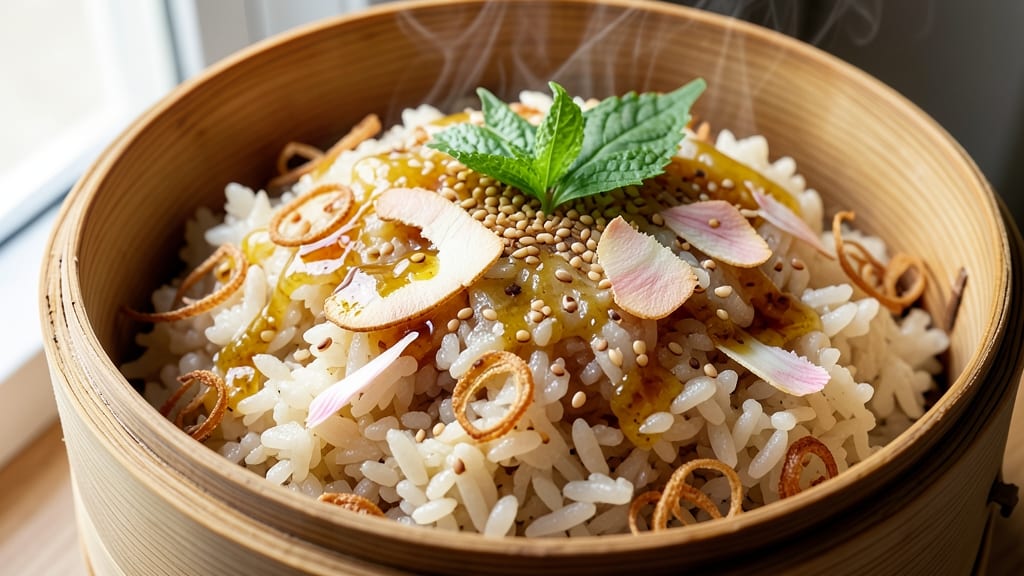
This Calrose sticky rice recipe delivers perfectly clingy grains with that signature jasmine fragrance—ideal for sushi, rice bowls, or even desserts. The secret lies in proper soaking and cooking ratios that transform ordinary rice into restaurant-quality texture.
I've refined this method over years of testing, ensuring every grain stays tender yet cohesive. What sets Calrose apart is its ability to absorb flavors while maintaining its signature stickiness. We'll use a precise water-to-rice ratio and gentle steaming to achieve those coveted clingy grains.
The addition of jasmine leaves during cooking infuses an aromatic depth that elevates any dish. By following these steps, you'll achieve perfectly balanced rice with a delicate floral aroma and just the right amount of stickiness.
This versatile base works equally well for savory meals or sweet applications, making it a kitchen essential. Ready in just 30 minutes, this recipe transforms basic rice into a gourmet ingredient you'll reach for repeatedly. Let's create your perfect batch!
Ingredients for calrose sticky rice
Nine simple ingredients transform ordinary rice into fragrant, clingy perfection—ideal for sushi or bowls.
| Ingredient | Amount | Notes |
|---|---|---|
| Calrose Rice 🍚 | 1 cup | Uncooked, long-grain variety |
| Water 💧 | 1 ¼ cups | Room temperature preferred |
| Jasmine Leaves 🌿 | 3 whole | Fresh or dried, for aroma |
| Salt 🧂 | ¼ tsp | Fine sea salt preferred |
| Fresh Ginger 🧅 | 1 tbsp | Finely grated, for depth |
| Sesame Oil 🫒 | 1 tsp | Toasted sesame oil preferred |
| Soy Sauce 🍶 | 1 tbsp | Low-sodium preferred |
| Rice Vinegar 🍶 | 1 tsp | For subtle tang |
| Sugar 🍬 | 1 tsp | White or brown sugar |
| Vegetable Oil 🫒 | 1 tsp | For steaming basket |
| Fresh Basil Leaves 🌿 | ¼ cup | Chopped, for garnish |
Calrose rice is the star here—check the label to confirm it's the long-grain variety (not short-grain sushi rice). Trader Joe's and Asian markets usually stock it, but regular grocery stores often carry it too. The jasmine leaves? Fresh ones from a farmers market add the best aroma, but dried leaves work in a pinch. Just steep them in the hot water before mixing with rice. Ginger should smell bright and zesty—if it's musty, grab a new piece. Toasted sesame oil makes all the difference (look for it in the Asian foods aisle).
No sesame oil? Avocado oil or neutral oil works, but you'll miss that nutty depth. Short on jasmine leaves? A bay leaf or extra basil gives a similar herbal note. The soy sauce can be tamari for gluten-free, and if you're sweet-tooth, bump the sugar to 1.5 teaspoons. For extra stickiness, some folks add 1/4 teaspoon of cornstarch to the rice before cooking. I've tried it—it helps, but isn't necessary if you follow the soaking method carefully.
Rice keeps best in an airtight container in the fridge for 3-4 days, though it reheats best if used within 2 days. For longer storage, freeze portions in 1-cup blocks—they thaw perfectly for stir-fries. The jasmine leaves can be reused once if stored dry in a paper bag for up to 2 weeks. Fresh ginger lasts 2 weeks in the fridge, grated or whole.
Why You'll Love This Recipe
- Five-Ingredient Magic: I swear by this—just rice, water, ginger, jasmine leaves, and salt. That’s it. No fancy gadgets, no stress, and honestly? The hardest part is waiting for the rice to steam.
- Ginger-Jasmine Kiss: Between us, the fresh ginger and jasmine leaves turn this from plain rice to ridiculously good. The ginger adds a warm, zesty bite, while the leaves perfume the whole pot like a spa day for your taste buds.
- Meal Prep MVP: I make a big batch on Sundays—it reheats perfectly for lunches all week. Pair it with grilled chicken or veggies, and suddenly you’ve got effortless, restaurant-quality meals without the takeout cost.
- Budget Stretch: Calrose rice is affordable, and this recipe uses just what you need. No waste, no splurges—just pure, satisfying rice that makes every meal feel special without breaking the bank.
Step-by-step instructions for Calrose sticky rice
Here's how to make perfectly fragrant, clingy rice every time—no guesswork, just foolproof technique.
Prepare the Jasmine-Infused Water
In a small saucepan, combine the 1.25 cups water, 3 whole jasmine leaves, and 1 tsp sugar. Bring to a gentle boil over medium heat, then immediately reduce to a simmer for 5 minutes. This infuses the water with delicate floral aroma—don't skip this step, as it's what makes traditional sticky rice special.
While simmering, you'll notice the water develop a faint golden hue and subtle jasmine scent. Strain the liquid through a fine-mesh sieve into a measuring cup, pressing gently on the jasmine leaves to extract every drop of flavor. Discard the leaves—they've done their job. The infused water should now smell like a spring garden, setting the stage for perfectly fragrant rice.
Soak and Season the Rice
In a medium bowl, combine the 1 cup calrose rice, the jasmine-infused water, 1 tbsp fresh ginger, and 0.25 tsp salt. Gently stir until the rice is fully coated and the liquid is absorbed. Let it soak for 30 minutes at room temperature—this step ensures even cooking and that signature sticky texture.
After soaking, the rice should look plump and the liquid should be mostly absorbed. If you notice any remaining water, drain it through a fine-mesh strainer. This prevents gummy rice and ensures perfect doneness. The ginger will add subtle warmth that pairs beautifully with the floral jasmine notes.
Steam to Perfect Doneness
Line a steamer basket with a clean kitchen towel and lightly coat it with 1 tsp vegetable oil. Spread the soaked rice evenly in the basket, creating a single layer. Place the basket over a pot of boiling water (make sure the basket doesn't touch the water). Cover with a tight-fitting lid and steam over medium-high heat for 15 minutes.
Here's the thing—don't peek! Opening the lid releases steam and can disrupt the cooking process. After 15 minutes, check the rice: it should be tender but still slightly firm in the center. If you press a grain gently, it should hold its shape but feel soft inside. The rice is ready when it's translucent at the edges with a tiny white center.
Finish with Flavorful Seasoning
Remove the steamer from heat and let the rice sit covered for 5 minutes. This resting period allows the steam to redistribute evenly. In a small bowl, whisk together the 1 tbsp soy sauce, 1 tsp rice vinegar, and 1 tsp sesame oil. Gently fold this mixture into the warm rice using a spatula, being careful not to break the grains.
The rice should now have a glossy sheen and carry all those complex flavors—salty from the soy, tangy from the vinegar, and nutty from the sesame. For serving, transfer to a plate and garnish with the 0.25 cup chopped fresh basil leaves. The basil adds a bright, herbal contrast that balances the rich rice perfectly.
Serve Immediately for Best Texture
Use a spatula to gently fluff the rice, separating any clumps that may have formed. Serve immediately while still warm—this is when the texture is at its peak. The rice should be perfectly sticky between the grains but not mushy, with a delicate jasmine aroma that lingers with each bite.
For the best experience, serve this sticky rice with grilled meats, fresh spring rolls, or as a standalone side dish. The secret to perfect sticky rice lies in the balance of technique and timing—soak properly, steam gently, and finish with care. That's how you get restaurant-quality results at home every time.
Pro Tips For Making Calrose Sticky Rice
- USE A TIGHT RATIO: Calrose needs 1:1.25 rice-to-water by weight—no eyeballing. I learned this the hard way when my rice turned out either mushy or dry. Weigh your rice first, then measure water precisely. (Yes, it’s extra work, but sticky rice isn’t forgiving.)
- TOAST THE RICE FIRST: Dry-toast the Calrose in a pot over medium heat for 2-3 minutes until it smells nutty and the edges turn translucent. This step builds flavor and prevents gummy texture—skip it, and you’ll wonder why your rice tastes bland. (Pro move: Stir constantly or it burns.)
- STEAM WITH COVER LOOSE: Don’t press the lid down tight when steaming. Leave a 1-inch gap so excess steam escapes—this keeps the rice from turning gluey. After 10 minutes, check the rice: if it’s still firm, add 1-2 tablespoons hot water and steam another 5 minutes. (Your rice will thank you.)
- GINGER INFUSION HACK: Instead of just adding sliced ginger at the end, simmer a thin julienne of fresh ginger in the water while heating it to 180°F (77°C). This extracts more aroma and flavor without overpowering the rice. (Bonus: Strain the ginger out before cooking—no one wants chewy bits.)
Regional styles of this calrose sticky rice
Thai-Inspired Jasmine Rice
In Thailand, sticky rice is often called khao niew and is a staple at every meal. For a Thai-inspired version, replace the soy sauce with 1 tbsp coconut aminos and add ½ tsp palm sugar to the jasmine-infused water.
Serve with grilled lemongrass chicken and a side of fresh mango slices for that perfect Thai balance of sweet, savory, and aromatic. 🌿
Japanese-Style Sushi Rice
For sushi rice, reduce the water ratio to 1 cup water per 1 cup rice and add 1.5 tbsp rice vinegar and 1 tsp sugar after cooking. Gently fold in 1 tsp sesame seeds for extra texture.
This version stays slightly firmer, ideal for rolling with fresh fish or veggies. I love using Trader Joe's sushi nori for authentic rolls. 🍣
Vietnamese Sweet Sticky Rice
Vietnamese xôi transforms sticky rice into a sweet dessert. Cook the rice with 1.5 cups coconut milk instead of water, add 1 tbsp pandan extract (or 2 tbsp grated pandan leaves), and sweeten with 2 tbsp palm sugar.
Serve warm with mung bean paste or fresh fruit. The coconut milk adds a creamy richness that’s pure comfort. 🥥
Filipino Bagoong Rice
Filipino bagoong rice is a savory twist. After steaming, fold in 2 tbsp fermented shrimp paste (bagoong) and 1 tbsp calamansi juice (or lime). Top with crispy fried garlic and chopped scallions.
The umami from the shrimp paste elevates the dish to restaurant-level depth. I found Filipino Market bagoong at my local Asian grocery. 🍤
Korean Sweet Rice Cakes
For Korean songpyeon, mix ½ cup glutinous rice flour with the cooked Calrose rice, then shape into half-moon cakes. Fill with red bean paste and steam again. Brush with egg wash and toast until golden.
The contrast of chewy rice and sweet filling is irresistible. Use Bob’s Red Mill glutinous rice flour for best results. 🌙
Modern Fusion Twist
For a fusion approach, try smoky maple sticky rice. After steaming, fold in 1 tsp maple syrup and ½ tsp smoked paprika. Garnish with toasted pecans and a drizzle of bourbon caramel sauce.
This version works perfectly as a dessert or breakfast bowl. The smoky-sweet combo is surprisingly addictive. 🍁
Nutrition facts
Frequently asked questions
What's the secret to getting Calrose rice perfectly sticky?
The magic is in the 30-minute soak and 1:1.25 rice-to-water ratio with jasmine infusion. The soaking hydrates the grains evenly while the jasmine-infused water adds aroma. After steaming, let it rest 5 minutes covered—this redistributes moisture for that signature clingy texture.
Can I use Calrose rice for sushi instead of short-grain?
Yes! While traditional sushi rice uses short-grain varieties, Calrose works beautifully when adjusted. For firmer grains, reduce water to 1:1 ratio and add 1.5 tbsp rice vinegar + 1 tsp sugar after cooking. The key is steaming just until the center is slightly firm (13-14 minutes) rather than fully tender.
Why did my Calrose rice turn out mushy?
Mushy rice usually means one of three things: overcooking, too much water, or not draining properly after soaking. Always check for a tiny white center when testing doneness. For 1 cup rice, stick to 1.25 cups liquid max—no more! If using a rice cooker, use the "white rice" setting and stop cooking 2 minutes early.
How do I store leftover sticky rice?
Transfer to an airtight container and refrigerate for up to 4 days. For reheating, spread on a microwave-safe plate with 1 tsp water, cover loosely, and microwave 1 minute. For longer storage, freeze portions in 1-cup blocks—they thaw perfectly for fried rice or bowls. The texture holds best when reheated gently.
Can I make this recipe without jasmine leaves?
Substitute with 1 bay leaf or 2 tbsp chopped fresh basil for a similar herbal note. For extra aroma, add ½ tsp vanilla extract to the jasmine-infused water. The floral depth is what makes sticky rice special, but these alternatives work in a pinch. The rice will still be perfectly sticky—just with a different flavor profile.