
Main Courses
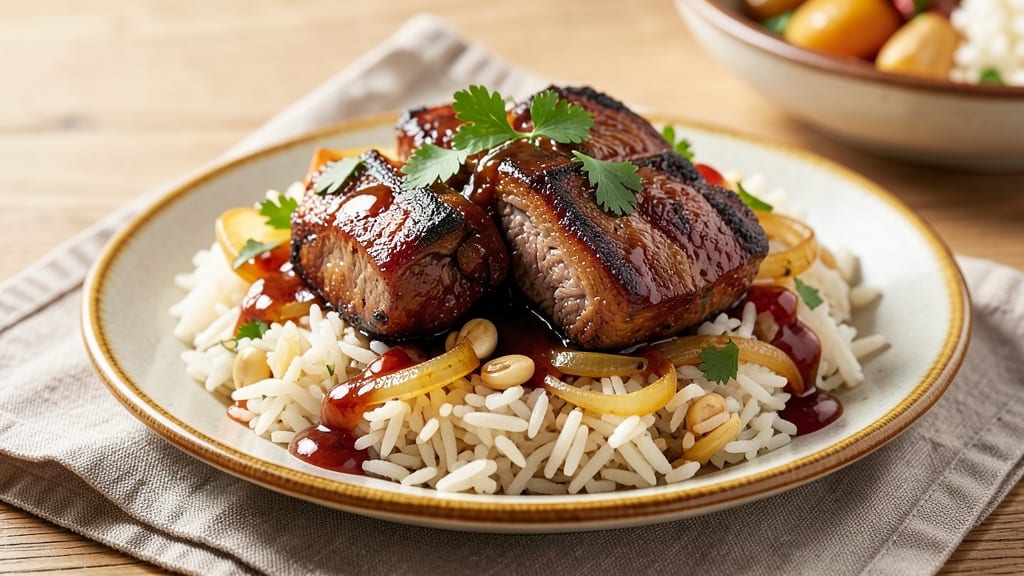
This caramelized beef with rice recipe transforms simple ingredients into a restaurant-worthy meal with deep, rich flavors and perfectly fluffy grains. The secret lies in slow-roasting beef until it develops a glossy, caramelized crust while infusing the rice with its savory essence—a technique that elevates weeknight dinners to special-occasion status.
What starts as tender beef and basic rice becomes a harmonious dish where every bite delivers tender meat, aromatic sauce, and perfectly cooked grains.
The process begins with searing beef until it develops a deep brown crust, then braising it in a flavorful liquid until fork-tender. Meanwhile, rice cooks in the same aromatic broth, absorbing all the caramelized beef flavors for a one-pot convenience that minimizes cleanup.
This method ensures the beef remains juicy while creating a sauce so rich it coats every grain of rice, making every mouthful unforgettable.
By the time you serve this dish, you'll have perfectly caramelized beef with a tender interior and a glossy, flavorful sauce that clings to each bite. The rice emerges fluffy and infused with the beef's deep, savory notes, creating a complete meal that's both impressive and satisfying.
The best part? This technique works equally well for weeknight suppers or special gatherings, delivering professional-quality results with minimal effort.
Whether you're cooking for family or hosting dinner guests, this recipe delivers a dish that feels luxurious without requiring advanced skills. The combination of caramelized beef and aromatic rice creates a balance of textures and flavors that's hard to resist.
Let's create this comforting, flavorful meal that's sure to become a new favorite.
Ingredients for caramelized beef with rice
Transform ordinary pantry staples into a luxurious caramelized beef masterpiece with perfectly infused rice.
| Ingredient | Amount | Notes |
|---|---|---|
| Beef Chuck Roast 🥩 | 2 lb | Pre-cut into 1.5-inch cubes |
| Long-Grain White Rice 🍚 | 1 ½ cups | Uncooked, jasmine or basmati preferred |
| Yellow Onion 🧅 | 1 whole | Large, sliced into 1/4-inch pieces |
| Garlic Cloves 🧄 | 6 cloves | Peeled, smashed for deeper flavor |
| Beef Broth 💧 | 2 cups | Low-sodium, homemade or high-quality |
| Dry Red Wine 🍷 | ½ cup | Bold variety like Cabernet Sauvignon |
| Tomato Paste 🍅 | 2 tbsp | Smooth, no sugar added |
| Olive Oil 🫒 | 2 tbsp | Extra-virgin, for searing |
| Fresh Thyme 🌿 | ¼ cup | Leaves only, stems removed |
| Fresh Rosemary 🌿 | ⅛ cup | Needles finely chopped |
| Diamond Crystal Kosher Salt 🧂 | 1 ½ tsp | For seasoning and finishing |
| Freshly Ground Black Pepper 🌶️ | ½ tsp | Coarsely ground |
| Honey 🍯 | 1 tbsp | For caramelizing the beef |
| Bay Leaves 🌿 | 2 whole | Fresh preferred |
The beef cut is everything here—chuck roast delivers the ideal balance of marbling and tenderness for caramelization. Costco or Whole Foods carry excellent pre-cut cubes, but if buying whole, ask your butcher to trim excess fat. Look for vibrant red meat with good marbling; this ensures both juiciness and that coveted crust. The red wine should be bold and dry—Cabernet Sauvignon or Merlot work perfectly. For the rice, jasmine or basmati varieties hold up best to the long cooking process without becoming mushy. If using dried, rinse thoroughly before adding to the pot to remove excess starch.
No red wine? Substitute beef broth with a splash of balsamic vinegar—the acidity helps develop the caramelized flavors. Fresh herbs wilt during cooking, so dried thyme at one-third the amount works in a pinch, though fresh delivers superior aroma. The tomato paste from a squeeze tube (like Trader Joe's) is perfect—no waste, and it keeps for months. For the honey, any variety works, but raw, local honey adds subtle floral notes that complement the beef. The bay leaves should be fresh if possible; dried work but impart a more bitter taste. If you're short on time, pre-sliced onions from the grocery store's prepped vegetables section save minutes without sacrificing quality.
This dish tastes even better the next day as flavors meld further. Store leftovers in an airtight container in the fridge for up to 4 days, or freeze for 3 months for quick weeknight meals. For reheating, add a splash of water or broth to prevent drying. The rice can be prepped ahead and refrigerated separately, then reheated with the beef sauce just before serving. The caramelized beef cubes reheat beautifully—simply warm through in a skillet with a little extra broth for moisture. Portion into individual containers for easy lunches, or double the batch for entertaining—everyone will ask for seconds.
Why You'll Love This Recipe
- One-Pot Wonder: I swear by this recipe when I’m too tired to wash extra dishes—just brown the beef, toss in onions and garlic, add rice and broth, then let it slow-cook until everything’s tender and saucy. No strainers, no separate pans, just pure ease.
- Deep Umami Magic: That chuck roast? When you sear it first, then let it caramelize with onions and garlic, the flavor becomes insanely rich—like a tiny piece of steakhouse in your home. The beef broth ties it all together with this savory depth that makes every bite satisfying.
- Lunchbox Hero: Between us, this is my go-to for meal prep. The rice stays fluffy, the beef stays juicy, and it reheats like a dream—perfect for lunches or even a quick dinner when you’re starving but short on time. Pack it in containers, and you’ve got a week’s worth of easy meals.
- Budget Feast: Honestly, this recipe stretches a pound of chuck roast into multiple servings without breaking the bank. The rice and broth bulk it up, so you’re feeding a family (or a hungry roommate) for less than you’d spend on takeout. Plus, the leftovers? Even better the next day.
Step-by-step instructions for caramelized beef with rice
Master this technique for a rich, deep-roasted sauce and perfectly fluffy rice every time.
Sear the Beef Chuck Roast for Maximum Flavor
Heat a large Dutch oven over medium-high heat until it's smoking hot. Add the 2 tablespoons olive oil and swirl to coat the bottom evenly. Working in batches if needed, add the 2 lb beef chuck roast cut into 1.5-inch cubes, spreading them out in a single layer. Let them sear undisturbed for 3-4 minutes until they develop a deep golden-brown crust.
Here's the thing—don't move them during this initial sear. You want that beautiful Maillard reaction happening on all sides. Once browned, gently stir and add the 1 tablespoon honey and 1.5 teaspoons Diamond Crystal kosher salt. Let the honey caramelize slightly for 1 minute before adding the 6 smashed garlic cloves and 0.25 cup fresh thyme. Stir everything together and cook for another 2 minutes until the garlic is fragrant but not burned.
Build the Deep-Roasted Sauce Base
Remove the beef from the Dutch oven and set it aside. In the same pot, add the 1 whole yellow onion sliced into 1/4-inch pieces and cook over medium heat for 5-6 minutes until softened and slightly caramelized. Add the 2 tablespoons tomato paste and cook for 1 minute to deepen its flavor.
Deglaze the pot immediately by pouring in the 0.5 cup dry red wine, scraping up all those delicious browned bits from the bottom. Let it simmer for 2-3 minutes until reduced by half. Here's where the magic happens: add the 2 cups beef broth, 0.125 cup finely chopped fresh rosemary, 0.5 teaspoon freshly ground black pepper, and the 2 whole bay leaves. Bring to a gentle simmer and return the beef to the pot, spooning the sauce over the meat.
Slow Cook the Beef for Tender Perfection
Cover the Dutch oven and transfer it to a preheated 325°F oven. Cook for 2.5-3 hours until the beef is fork-tender. You'll know it's ready when the meat easily pulls apart with minimal resistance. The sauce should have thickened into a rich, glossy consistency with a deep caramelized color.
I like to check the beef at the 2-hour mark—if it's not quite tender, add 2-3 tablespoons water to the pot to prevent drying. The slow cooking process is crucial here; it transforms tough chuck roast into melt-in-your-mouth tenderness while developing complex flavors from the wine and herbs.
Prepare the Fluffy Jasmine Rice
While the beef cooks, rinse the 1.5 cups long-grain white rice (jasmine or basmati preferred) under cold water until the water runs clear. This removes excess starch that would make the rice gummy. In a separate pot, combine the rice with 3 cups water and 1/2 teaspoon salt. Bring to a boil, then reduce heat to low, cover, and simmer for 15 minutes.
Here's my secret for perfect rice: after the initial 15 minutes, turn off the heat and let it steam covered for another 10 minutes. This resting period allows the steam to distribute evenly, resulting in fluffy, separate grains. Don't peek or lift the lid during this time—it releases steam and can make the rice dry.
Combine and Finish the Dish
Once the beef is tender, carefully transfer it to a serving platter, leaving the sauce behind in the Dutch oven. Strain the sauce through a fine-mesh sieve to remove any herbs or bay leaves, then return it to the pot. Skim off any excess fat if desired—this dish is rich enough that you can control the texture.
To serve, arrange the fluffy rice on plates and top with the caramelized beef. Ladle the rich sauce generously over the top, ensuring each bite gets that perfect balance of tender meat and deep-flavored sauce. The contrast between the fluffy rice and the intensely caramelized beef creates a restaurant-quality dining experience at home.
Pro Tips For Making Caramelized Beef With Rice
- Sear the Chuck Roast First: I used to skip this and just toss the raw roast into the pot with onions—big mistake. Get your pan screaming hot (I mean screaming), pat the beef dry, and sear each side until it’s deep brown. That crust locks in flavor and keeps the meat from turning out bland. (Yes, it takes 5 minutes extra, but it’s worth it.)
- Slice Onions Thinly: Thick onion slices? They’ll just sit there like stubborn guests at a party. Use a mandoline or sharp knife to slice them paper-thin so they caramelize fast and evenly. If you’re lazy, dice them small—but don’t skip this step entirely. The sweetness from properly caramelized onions is the thing that matters most.
- Deglaze with Broth: After searing the beef and onions, don’t just dump in the broth straight away. Splash in a little first (about ¼ cup) and scrape up those browned bits from the bottom of the pan. That’s flavor gold you’d otherwise lose. (I learned this the hard way—my first batch tasted like it was missing something.)
- Cook Rice Separately: This isn’t the prettiest method, but it’s the tastiest. The beef and broth will make the rice mushy if you cook them together. Instead, toast the rice in oil first, then cook it in a separate pot with water or broth. Add it to the beef just before serving—it’ll soak up all the caramelized juices like a sponge. (Your future self will thank you.)
Flavor customization for this dish
Spice Level Control
Adjust the heat by adding 1-2 teaspoons of crushed red pepper flakes directly to the Dutch oven during the slow-cooking phase. For a milder kick, reduce to ½ teaspoon—this subtle addition enhances depth without overpowering the caramelized flavors.
I often start with ½ teaspoon and taste the sauce before serving to ensure balance. 🌶️
Sweet-Savory Balance
Enhance the caramelization by adding 1 extra tablespoon of honey during the searing step, or swap it for 1 tablespoon of brown sugar for a deeper molasses-like richness.
For a fruity twist, replace the red wine with ½ cup apple cider—the acidity brightens the sauce while complementing the beef's natural sweetness.
Herb Variations
Swap the fresh thyme and rosemary for 1 tablespoon of dried oregano and 1 teaspoon of smoked paprika for a smoky depth. Alternatively, add 1 sprig of fresh tarragon for an anise-like note that pairs beautifully with red wine.
These herbs infuse the sauce with unique complexity while keeping the dish cohesive.
Umami Boosters
Deepening the umami flavor is easy—add 1 tablespoon of Worcestershire sauce during the slow-cooking phase, or stir in 1 teaspoon of fish sauce for an Asian-inspired twist. For a vegetarian-friendly boost, use 1 tablespoon of soy sauce instead. These additions elevate the sauce's richness without altering the dish's core flavors.
Rice Texture Adjustments
For crispy rice, spread the cooked grains on a baking sheet and broil for 2-3 minutes until golden. For a sticky texture, reduce the water by ½ cup when cooking the rice.
If using brown rice, increase cooking time to 45 minutes and add ½ cup extra water to prevent drying. These tweaks customize the rice to your preference while maintaining harmony with the beef.
Sauce Thickness Control
Thicken the sauce by reducing it uncovered for 5-10 minutes on the stovetop, or thin it with 1-2 tablespoons of beef broth if too dense. For a glossy finish, stir in 1 teaspoon of cornstarch mixed with 1 tablespoon cold water and simmer until clear.
These adjustments ensure the sauce coats the rice perfectly every time. ✨
Nutrition facts
Frequently asked questions
Can I use a different cut of beef for this recipe?
While chuck roast is ideal for its marbling and tenderness, you can substitute with brisket or stew beef—both work well with the slow-cooking method. Avoid lean cuts like sirloin, as they won't develop the same rich caramelized crust or stay as juicy. If using brisket, trim excess fat to ¼-inch for cleaner results.
How do I prevent the rice from becoming mushy?
Rinse the rice thoroughly before cooking to remove excess starch, then use 3 cups water for 1.5 cups rice—this ratio ensures proper steam distribution. After boiling, reduce heat to low and simmer covered for 15 minutes, then let it steam off heat for another 10 minutes. Never lift the lid during cooking, as steam escape causes uneven texture.
Can I make this dish in a slow cooker?
Yes! Brown the beef first in a skillet, then transfer it to the slow cooker with all sauce ingredients. Cook on low for 6-7 hours or high for 3-4 hours until tender. For the rice, cook it separately in a rice cooker or pot using the same ratio, then mix with the beef and sauce just before serving. The slow cooker makes the beef extra tender but requires more sauce to prevent drying.
What if I don't have red wine?
No problem! Replace the ½ cup red wine with ½ cup beef broth plus 1 tablespoon balsamic vinegar for acidity, or use ½ cup apple cider for a fruity twist. The key is maintaining the same ½ cup liquid volume to balance the sauce. For deeper flavor, add 1 teaspoon soy sauce or ½ teaspoon smoked paprika to compensate.
How do I reheat leftovers without drying them out?
Reheat in a skillet over medium-low heat with 2-3 tablespoons beef broth or water to restore moisture. Cover and warm for 3-5 minutes until heated through. For microwave reheating, sprinkle 1 teaspoon water over the dish, cover tightly, and heat in 30-second intervals, stirring between each. Never reheat uncovered, as this causes the sauce to evaporate and the beef to dry.