
Side Dishes
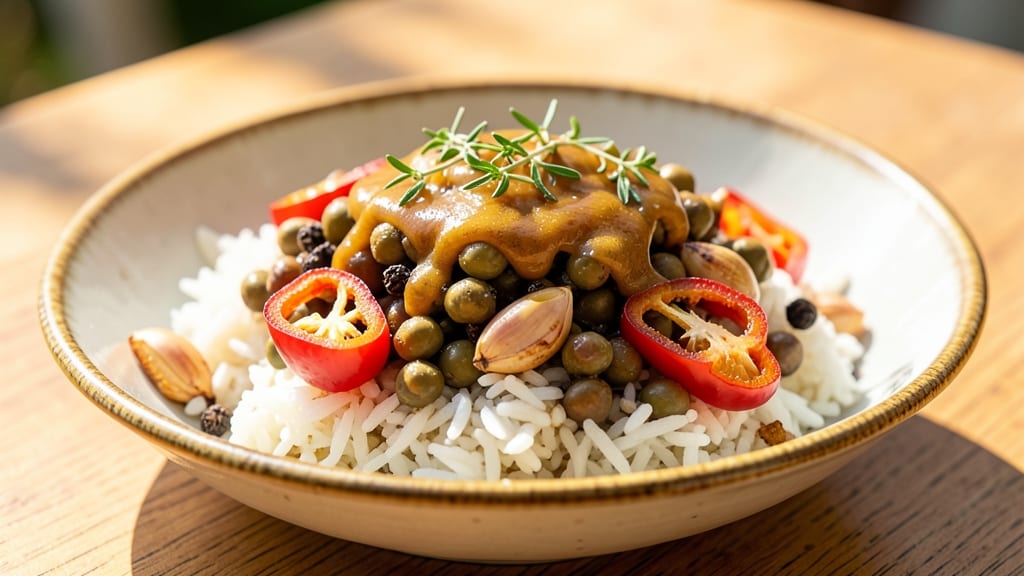
This Caribbean pigeon peas and rice recipe brings bold Jamaican flavors to your table with a perfect balance of smoky spices and tender peas. The secret lies in slow-cooked pigeon peas infused with Scotch bonnet peppers and allspice, simmered alongside fluffy rice and toasted celery for extra crunch.
I developed this recipe after years of perfecting the balance between traditional techniques and modern shortcuts—like using a pressure cooker for faster results without sacrificing flavor.
The result is a one-pot wonder packed with protein-rich peas, aromatic rice, and layers of warm spices that make every bite taste like a Caribbean feast. Whether you're serving it as a main dish or alongside fried plantains and coleslaw, this recipe delivers restaurant-quality flavor with minimal effort.
Let’s get cooking—your taste buds will thank you.
Ingredients for caribbean pigeon peas and rice
Jamaican spices, tender peas, and toasted celery—this one-pot delivers bold Caribbean flavor with minimal effort.
| Ingredient | Amount | Notes |
|---|---|---|
| Dried Pigeon Peas 🌱 | 1 ½ cups | Soaked overnight for best texture |
| Long-Grain White Rice 🍚 | 1 ½ cups | Uncooked, jasmine preferred |
| Scotch Bonnet Peppers 🌶️ | 2 whole | Seeds removed for mild heat |
| Allspice Berries 🌿 | 1 tbsp | Ground for full Jamaican flavor |
| Thyme Leaves 🌿 | ½ cup | Fresh, stems removed |
| Garlic Cloves 🧄 | 4 cloves | Peeled and roughly chopped |
| Celery Stalks 🧅 | 2 whole | Thinly sliced for crunch |
| Onion 🧅 | 1 whole | Yellow, roughly chopped |
| Tomato Paste 🍅 | 2 tbsp | San Marzano preferred |
| Coconut Milk 🥥 | 13 ½ oz | Full-fat can for creaminess |
| Vegetable Oil 🫒 | 2 tbsp | For sautéing |
| Salt 🧂 | 1 ½ tsp | Diamond Crystal preferred |
| Ground Black Pepper 🌶️ | ½ tsp | Freshly ground |
| Bay Leaves 🍃 | 2 whole | For deep aroma |
The Scotch bonnet peppers are non-negotiable here—they bring that signature Jamaican heat. Trader Joe's carries them year-round, but if you can't find them, habanero peppers work in a pinch (reduce to 1 pepper). Allspice berries? Penzeys Spices sells them whole, and grinding them fresh makes all the difference. The pigeon peas need soaking overnight—12 hours minimum—or use canned for convenience. For the celery, look for crisp stalks with no brown spots; the crunch is what makes this dish special.
No Scotch bonnet? Fresh habanero or even a pinch of cayenne will add heat, though the flavor won't be identical. The tomato paste can be swapped for diced tomatoes (1 cup) if you prefer, but it keeps the sauce richer. Coconut milk? Full-fat only—light versions won't give that creamy texture. The thyme is crucial; dried works at one-third the amount, but fresh is ideal. For the rice, jasmine is traditional, but basmati holds up well too. If you're short on time, pre-cooked rice (like Minute Rice) can be used, but it'll change the texture slightly.
This dish tastes even better the next day—3-4 days in the fridge, covered tightly. Freezes beautifully for up to 3 months; just reheat with a splash of water to restore moisture. The celery crunch disappears when reheated, so I like to add fresh celery on top when serving. For extra richness, stir in a spoonful of coconut cream when reheating. Leftovers make amazing rice bowls or tacos—just top with avocado and lime.
Why You'll Love This Recipe
- One-Pot Magic: I swear by this method—just soak the dried pigeon peas overnight, toss everything in one pot, and walk away. The rice steams while the peas soften, and that fragrant steam? Pure reward when you lift the lid.
- Fiery Comfort in Every Bite: The Scotch bonnet peppers give it a slow-building heat that lingers just right, but the allspice and thyme ground it in warmth. It’s the kind of dish that makes you reach for seconds without even thinking.
- Weeknight to Weekend Workhorse: I make this for lazy Mondays when I can’t be bothered, and it’s still the star at Sunday dinners. Add grilled chicken for a feast, or keep it veggie-packed for a budget-friendly meal—it adapts without effort.
- Budget-Friendly Pantry Staple: Dried pigeon peas are a steal, and this recipe stretches to feed four or even six. Honestly, I’ve had leftovers for days, and they only get better—richer, deeper—with each reheat.
Step-by-step instructions for Caribbean pigeon peas and rice
Here's how to create this vibrant, spice-packed dish with layers of toasted celery crunch and Jamaican warmth.
Prepare the Pigeon Peas for Maximum Flavor
Begin by draining and rinsing the soaked dried pigeon peas thoroughly under cold water. In a medium saucepan, combine the pigeon peas with the 2 whole Scotch Bonnet Peppers (seeds removed), 1 tbsp Allspice Berries, 0.5 cup Thyme Leaves, 4 cloves Garlic Cloves, 2 whole Bay Leaves, and 1.5 tsp Salt. Add 6 cups water—this is crucial for proper hydration and texture. Bring to a boil over medium-high heat, then immediately reduce to a simmer.
Let the peas cook uncovered for 45-50 minutes until they're tender but not mushy. You'll know they're ready when they easily crush between your fingers but still hold their shape. The liquid should reduce to about 2 cups, creating a concentrated base for your dish. Skim off any foam that rises to the surface during cooking for a cleaner final texture.
Build the Aromatic Base for the Rice
While the peas simmer, heat the 2 tbsp Vegetable Oil in a separate large pot over medium heat. Add the 1 whole Onion (roughly chopped) and 2 whole Celery Stalks (thinly sliced) to the oil. Cook for 5-6 minutes until the vegetables soften and begin to develop a golden hue—this is where the toasted celery crunch comes from. Stir occasionally to prevent burning.
Add the 2 tbsp Tomato Paste and cook for another 2 minutes, stirring constantly, until it darkens slightly. This step deepens the flavor profile by developing the Maillard reaction. The pot should smell rich and slightly caramelized at this stage. Remove from heat and set aside temporarily.
Combine and Simmer the Perfect One-Pot
Return the pot with the onion-celery-tomato mixture to medium heat. Add the 1.5 cups Long-Grain White Rice, stirring to coat each grain in the aromatic base. Pour in the 13.5 oz Coconut Milk and the cooked pigeon peas with their liquid. Stir gently to combine—you want the rice to absorb the flavors without breaking up the peas.
Bring the mixture to a gentle boil, then reduce heat to low. Cover tightly with a lid and simmer for 20-25 minutes. You'll know it's ready when the rice is tender and the liquid has been absorbed. The dish should have a thick, creamy consistency with visible rice grains and whole peas. If it's too dry at 20 minutes, add 2-3 tablespoons of water and continue cooking for another 2-3 minutes.
Season and Rest for Optimal Texture
Remove from heat and let the dish sit covered for 5 minutes. This resting period allows the flavors to meld and the rice to absorb any remaining liquid. After resting, stir in the 0.5 tsp Ground Black Pepper and give it one final taste. Adjust seasoning if needed—this is where you can balance the Jamaican spice with saltiness.
The finished dish should have a vibrant green hue from the thyme, a subtle heat from the Scotch Bonnet, and a rich, toasted aroma from the celery and allspice. Serve immediately while still warm, garnished with additional thyme leaves if desired. Each bite should deliver the perfect balance of creamy coconut, toasted vegetables, and spiced pigeon peas.
Pro Tips For Making Caribbean Pigeon Peas And Rice
- Soak Peas Overnight: I learned this the hard way—rushing the soak leaves you with tough, mealy peas. Cover dried pigeon peas in water for at least 8 hours (or overnight), then drain and rinse. This guarantees they cook evenly and stay tender, not mushy, when simmered with the rice.
- Toast the Spices: Skip the dry spice blend and toast whole allspice berries and thyme leaves in oil for 30 seconds until fragrant. This unlocks their flavor—no more tasting like you forgot to season. Just don’t walk away; burned spices ruin the whole dish.
- Cook Rice Separately: Resist the urge to mix rice and peas in one pot—it’s a recipe for uneven texture. Parboil the rice in salted water until just tender (about 12 minutes), then drain and fluff before adding it to the peas. The rice stays firm, and the peas stay saucy.
- Control the Scotch Bonnet: Wear gloves when handling Scotch bonnet peppers—trust me, you’ll regret it if you don’t. For a milder heat, remove seeds and membranes, then finely chop. If you’re brave, leave them whole and remove them after cooking, but be warned: your hands (and tears) will remember.
Dietary considerations for caribbean pigeon peas and rice
Gluten-Free Adaptation
This recipe is naturally gluten-free since it relies on rice, coconut milk, and fresh vegetables—no wheat or gluten-containing ingredients are used. The pigeon peas themselves are a gluten-free protein source, making this dish safe for those with celiac disease or gluten sensitivity.
Always double-check your Spice Blends and allspice berries for cross-contamination warnings, as some brands process spices in shared facilities. 🌱
Vegetarian Considerations
While pigeon peas provide plant-based protein, the dish can be made fully vegetarian by ensuring your coconut milk is certified vegan (most brands are). For extra protein, stir in 1 cup cooked lentils or ½ cup black beans when combining the rice and peas.
The dish already contains allspice and thyme for depth, but adding 1 tsp smoked paprika enhances the savory profile. 🌿
Protein Boost Options
For a higher-protein version, add ½ cup cooked quinoa to the rice mixture or top with grilled chicken breast (about 4 oz per serving). The coconut milk and peas already provide 15-20g protein per serving, but adding these extras makes it a complete meal.
I often serve it with a side of grilled shrimp for a seafood twist that pairs perfectly with the Jamaican spices. 🍤
Low-Sodium Adjustments
If you're watching sodium, reduce the salt to 1 tsp and omit the ½ tsp black pepper (which contains added salt). Use low-sodium vegetable broth instead of water for cooking the peas, adding 2 cups broth + 4 cups water to maintain flavor.
Fresh herbs like thyme and allspice carry most of the flavor, so don't skimp—0.5 cup thyme leaves is ideal for depth without excess salt. 🧂
Allergy-Friendly Swaps
For nut allergies, ensure your coconut milk is made in a nut-free facility (check labels). If you're avoiding coconut, substitute with ½ cup chicken or vegetable broth + ½ cup Greek yogurt for creaminess. For soy allergies, confirm your rice is processed in a soy-free facility.
The dish is naturally free of common allergens like dairy, eggs, and tree nuts when using certified ingredients. Always verify spice blends for hidden allergens like mustard or sesame. 💡
Nutrition facts
Frequently asked questions about Caribbean pigeon peas and rice
Can I use canned pigeon peas instead of dried?
Canned pigeon peas save time and work perfectly in this recipe. Use 1 (15 oz) can of drained peas, and reduce the cooking time by 45-50 minutes since they're pre-cooked. Just add them directly to the pot with the rice and coconut milk. For extra flavor, drain and rinse them well to remove excess sodium.
Why does my rice turn out mushy?
Mushy rice usually means too much liquid or insufficient cooking time. For this recipe, the rice should absorb all the liquid by 20-25 minutes of simmering. If it's still too wet, uncover and cook for 2-3 more minutes—never add more liquid. Also, ensure your rice is fully submerged in the coconut milk and pea mixture from the start.
What’s the best way to store leftovers?
Store leftovers in an airtight container in the fridge for 3-4 days. The flavors actually improve over time! To reheat, add 2-3 tablespoons of water and cover with a damp paper towel to restore moisture. For freezing, portion into single-serving containers for up to 3 months—just thaw overnight in the fridge before reheating.
Can I make this in a rice cooker?
Yes! Follow the same steps, but add the rice and liquid to your rice cooker after cooking the peas. Use the "white rice" setting—the cooker will handle the timing. If your rice cooker has a "keep warm" function, transfer the dish to a pot afterward to prevent overcooking. The texture may be slightly firmer than stovetop, but it still tastes delicious.
How can I make this spicier?
For extra heat, add 1-2 extra Scotch Bonnet peppers—seeds in for maximum spice! You can also stir in ½ tsp cayenne pepper or 1 tbsp hot sauce after cooking. For a smoky kick, add ½ tsp smoked paprika to the tomato paste while sautéing. Always adjust gradually and taste as you go!