
Side Dishes
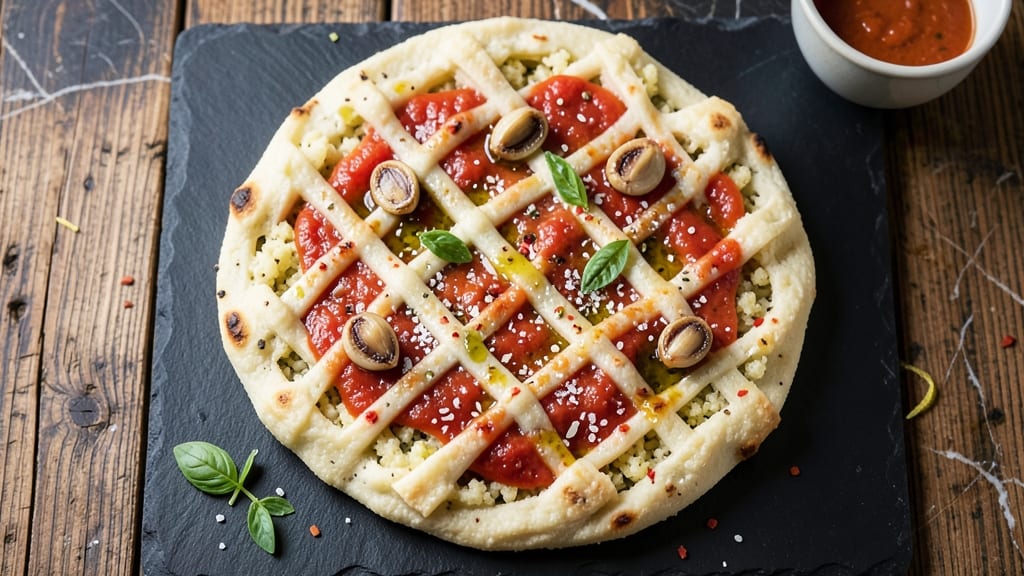
This cauliflower rice pizza dough delivers the perfect crispy crust without the guilt—all while keeping it fully plant-based. The secret lies in dehydrating and blending cauliflower rice into a fluffy, sturdy base that holds toppings like traditional dough.
I developed this recipe after years of experimenting with low-carb alternatives, and it finally nails that satisfying crunch while staying light and airy.
What makes this dough special is its versatility—it bakes up with a golden, crispy exterior and a tender interior, all while cutting calories and carbs dramatically. The key steps include proper dehydration, blending with flax eggs for binding, and letting the dough rest to develop structure.
Whether you're vegan, gluten-free, or just looking for a lighter pizza night, this recipe transforms cauliflower into a crispy, guilt-free masterpiece.
Ingredients for cauliflower rice pizza dough
Transform cauliflower rice into a crispy, guilt-free pizza base with these 12 plant-powered ingredients.
| Ingredient | Amount | Notes |
|---|---|---|
| Fresh Cauliflower Rice 🥬 | 4 cups | Freshly grated or store-bought |
| Ground Flaxseed 🌾 | ½ cup | For flax eggs, freshly ground |
| Water 💧 | 1 ¼ cups | Room temperature for flax eggs |
| Nutritional Yeast 🧀 | ¼ cup | For cheesy flavor, finely grated |
| Extra-Virgin Olive Oil 🫒 | ¼ cup | High-quality for crispiness |
| Garlic Powder 🧄 | 1 tsp | Freshly ground preferred |
| Onion Powder 🧅 | 1 tsp | For savory depth |
| Salt 🧂 | 1 ½ tsp | Diamond Crystal preferred |
| Black Pepper 🌶️ | ½ tsp | Freshly cracked |
| Dried Oregano 🍃 | 1 tsp | Mediterranean blend preferred |
| Xanthan Gum 🧪 | ¼ tsp | For elasticity, optional but recommended |
| Cornstarch 🌽 | 1 tbsp | For crispiness, essential for texture |
The cauliflower rice is the foundation—freshly grated yields the best texture, but store-bought works in a pinch. For optimal dehydration, spread it on a baking sheet and bake at 200°F for 20 minutes until completely dry. Trader Joe's carries pre-riced cauliflower that saves time, while bulk bins at Whole Foods offer the freshest heads. Look for heads with vibrant green florets—they dehydrate best. The flaxseed must be freshly ground; pre-ground loses binding power quickly, so invest in a small coffee grinder if you don't already have one.
No xanthan gum? Psyllium husk powder at half the amount works as a substitute, though the texture may differ slightly. Running low on nutritional yeast? Vegan Parmesan cheese in a pinch, but reduce to three-quarters the quantity. The cornstarch is non-negotiable for crispiness—Bob's Red Mill brand is my go-to for consistent results. For extra flavor depth, toast the spices in a dry pan for 30 seconds before mixing. The olive oil should be extra-virgin; lower-quality oils can make the crust taste bitter. Pre-grated nutritional yeast clumps easily—grate it yourself for the best texture.
Store the dehydrated cauliflower rice in an airtight container for up to 3 days in the fridge or 1 month in the freezer. Once mixed with wet ingredients, use immediately or refrigerate for 24 hours max—the dough loses structure over time. For best results, let the dough rest for 30 minutes before rolling. This recipe yields enough for two 12-inch pizzas; freeze extras between parchment paper for up to 2 months. Reheat frozen dough at 350°F for 10-12 minutes for a crispy finish.
Why You'll Love This Recipe
- No Yeast, No Wait: I mix the ground flaxseed with water first—it’s like magic. Five minutes later, the dough’s ready to stretch, no proofing box or patience required. That nutritional yeast? It adds this umami punch that makes it taste way more complex than it should.
- Crispy-Creamy Magic: The olive oil keeps it tender, but when I bake it, the edges get this golden, almost cracker-like crunch. Honestly, the first time I bit into it, I thought I’d messed up—until I realized it’s supposed to be like that. That contrast is ridiculously satisfying.
- Pizza for Any Occasion: Weeknight dinner? Done. Potluck spread? Perfect. Even my picky teenager grabs seconds when I toss it with marinara and veggies. Between us, I’ve used it for flatbreads, tacos, and even a low-carb lasagna noodle hack—it’s that adaptable.
- Budget-Friendly Leftovers: A single head of cauliflower stretches into three pizzas, and the flaxseed mix costs pennies. I’ll be real: the first batch I made lasted a week, and I didn’t even try to hide the leftovers. Freezer-friendly too—just reheat and top away.
Step-by-step instructions for crispy cauliflower rice pizza dough
Here's how to create a perfectly crisp crust using only these ingredients—no yeast, no gluten, just satisfying crunch.
Create Flax Eggs for Binding
In a small bowl, combine the 0.5 cup ground flaxseed with the 1.25 cups room temperature water. Let it sit for 5 minutes while you prepare the remaining ingredients. You'll see it thicken into a gel-like consistency—this is your egg substitute, providing the structural integrity that traditional dough relies on.
The mixture should resemble raw egg whites in viscosity. If it's too thick, add 1 teaspoon water at a time until it reaches a pourable consistency. This step is critical: under-mixed flax eggs won't bind properly, while over-mixed versions can create a gummy texture. Stir gently just until combined—no need for vigorous mixing.
Mix Wet and Dry Ingredients
In a large mixing bowl, combine the 4 cups fresh cauliflower rice, 0.25 cup nutritional yeast, 0.25 cup extra-virgin olive oil, 1 tsp garlic powder, 1 tsp onion powder, 1.5 tsp salt, 0.5 tsp black pepper, 1 tsp dried oregano, 0.25 tsp xanthan gum, and 1 tbsp cornstarch. Use your hands or a sturdy spoon to mix until the cauliflower rice is evenly coated and the cornstarch is fully incorporated.
At this stage, the mixture should look like wet sand with visible flecks of cornstarch. The xanthan gum and cornstarch work together to create elasticity and crispiness—don't skip either. The nutritional yeast adds that unmistakable cheesy flavor that makes this dough taste satisfyingly rich despite being vegan.
Combine and Process the Dough
Add the flax egg mixture to the dry ingredients and mix thoroughly until completely combined. The dough will be quite wet and sticky—this is normal. For best results, transfer the mixture to a food processor fitted with the metal blade and pulse for 30-45 seconds until it forms a cohesive, slightly sticky dough ball.
If using a food processor, stop frequently to scrape down the sides and ensure even processing. The dough should hold together when pressed gently but still feel moist. If it's too crumbly, add 1 tablespoon water at a time until it becomes pliable. This dough behaves differently from traditional pizza dough—it's more like a thick batter that will crisp up beautifully when baked.
Shape and Pre-Bake the Crust
Line a baking sheet with parchment paper and transfer the dough to the center. Using wet hands, press the dough into a ¼-inch thick circle about 12 inches in diameter, creating your pizza base. The edges should be slightly thicker than the center to prevent burning. Let it rest for 10 minutes at room temperature while you preheat your oven to 425°F.
This resting period allows the dough to relax and prevents cracking during baking. While waiting, position a rack in the middle position of your oven. The high heat is essential for achieving that crispy texture—traditional pizza dough gets its crunch from long fermentation, but our cauliflower version needs intense, direct heat to crisp properly.
Bake for Maximum Crispiness
Bake the crust for 12-15 minutes until the edges are deep golden brown and the center feels firm when pressed gently with your finger. The crust should develop a crisp texture while remaining tender underneath. Rotate the baking sheet halfway through for even browning.
Here's the secret to crispiness: after removing from the oven, immediately transfer the crust to a wire rack. This prevents steam from softening the crust as it cools. The crust will continue to crisp up as it sits—this is when it develops that satisfying snap. You'll know it's perfect when it holds its shape but still offers that satisfying crunch with every bite.
Pro Tips For Making Cauliflower Rice Pizza Dough
- Squeeze Out the Water: Fresh cauliflower rice holds way more moisture than you think—after grating, wrap it in a clean kitchen towel and press hard for 30 seconds. I learned this the hard way when my dough turned into a soggy mess; now I double-check this step before mixing anything else.
- Toast the Flaxseed: Dry-toast the ground flaxseed in a small pan for 2-3 minutes until it smells nutty. This makes the dough taste richer and binds better—no more dry, crumbly pizza crust. (Yes, even if you’re impatient like me.)
- Preheat the Pan: Use a nonstick or well-seasoned cast-iron skillet and heat it over medium-high for 3 minutes before adding the dough. The residual heat helps the edges brown faster and keeps the center from sticking like glue.
- Press It Flat: After shaping, press the dough hard with a spatula or your palm for 10 seconds—especially the edges. I used to skip this, and my pizzas would puff up unevenly. This guarantees a crispy, even base.
Perfect pairings for this cauliflower rice pizza dough
Vegan Topping Trio
Start with a marinara sauce base—look for brands like Rao's or Barilla for their rich, tomato-forward flavor. For protein, spread crispy baked tofu (marinated in 1 tbsp soy sauce + 1 tsp maple syrup) or chickpea-based vegan pepperoni (like Lightlife).
Top with cashew mozzarella made from ½ cup soaked cashews + 1 tbsp lemon juice + 1 tsp apple cider vinegar, blended until smooth. 🧀
Fresh Veggie Balance
Brighten your pizza with roasted red peppers (jarred or homemade) and sautéed mushrooms (tossed in 1 tbsp olive oil + 1 tsp thyme). Add thinly sliced zucchini (raw or lightly grilled) for freshness.
For color contrast, sprinkle fresh basil or arugula after baking—these stay crisp without wilting. I love using Trader Joe's pre-sliced veggies for convenience.
Cheesy Alternatives
Skip dairy without sacrificing flavor: Vegan Parmesan (store-bought or homemade from ½ cup walnuts + 2 tbsp nutritional yeast) adds umami depth. For meltiness, try Daiya mozzarella shreds—they brown beautifully under the broiler for 1-2 minutes post-bake.
For a smoky kick, swap vegan smoked gouda (like Miyoko's) for a richer profile. 🧀
Herb & Spice Finishes
Finish with red pepper flakes (start with ½ tsp) for heat or fresh oregano for brightness. A drizzle of balsamic glaze (reduced ¼ cup balsamic vinegar on high heat for 5 minutes) adds sweetness.
For a smoky touch, sprinkle crumbled tempeh bacon (pan-fried in 1 tsp olive oil) on top before baking. These toppings elevate every bite without overpowering the crispy crust.
Drink Pairings
Pair your pizza with a crisp Italian white wine like Pinot Grigio—its citrus notes cut through the richness. For beer lovers, a Belgian witbier (like Hoegaarden) adds effervescence and coriander brightness. Non-alcoholic? Try sparkling water with lemon or hibiscus iced tea for a refreshing contrast. 🍷
Nutrition facts
Frequently asked questions
Why does my cauliflower rice pizza dough keep cracking?
The most common cause is skipping the 10-minute rest before baking or not pressing the dough evenly. This dough needs time to relax—think of it like gluten-free dough. For extra insurance, chill the shaped crust for 15 minutes in the fridge before baking. Also, make sure your hands are wet when shaping to prevent sticking and tearing.
Can I make this dough without a food processor?
If you don't have a food processor, use a sturdy spoon or your hands to mix the dough thoroughly. After combining all ingredients, press the mixture into a ball and knead gently for 2-3 minutes until it becomes cohesive. The dough will be stickier than traditional pizza dough, so work quickly and wet your hands frequently. The texture will still crisp up beautifully when baked.
How do I prevent the crust from getting soggy?
Prevent sogginess by baking the crust first for 12-15 minutes before adding toppings. This creates a protective barrier. When adding sauce, use a light hand—too much liquid will steam the crust. For extra insurance, sprinkle 1 tbsp cornstarch on the baked crust before adding toppings. Also, always transfer the baked pizza to a wire rack immediately after baking to allow steam to escape.
What's the best way to store leftover crust?
Store cooled crusts between parchment paper in an airtight container at room temperature for 2 days or freeze for up to 2 months. To reheat, bake at 375°F for 5-7 minutes until crispy again. For best results, freeze the crust before adding toppings—this preserves texture better than freezing a fully assembled pizza. When reheating frozen crusts, add 1-2 minutes to the baking time.
Can I use this dough for other dishes besides pizza?
This versatile dough works perfectly for calzones, flatbreads, or even taco shells! For calzones, fold the dough over fillings and bake for 15-18 minutes at 425°F. For flatbreads, roll out thinner and bake for 8-10 minutes. The key is keeping the dough ¼-inch thick for best crispiness. Try it with BBQ chicken or Mediterranean-style fillings for exciting variations.