
Beverages
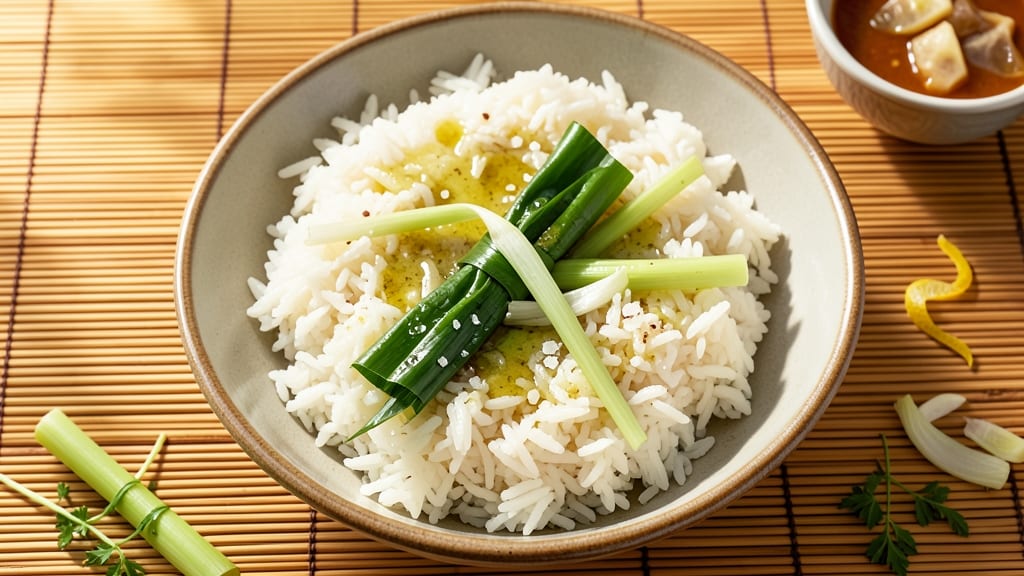
This Cebu dimsum steamed rice recipe brings the vibrant flavors of Visayas to your table with fragrant pandan and lemongrass-infused jasmine rice paired with crispy siopao and delicate lumpia.
The secret lies in the layered aromatics—pandan leaves and lemongrass steeped into the rice while steaming, creating a delicate floral note that complements the savory dimsum perfectly. Traditional Cebuano techniques like bamboo steaming and crispy frying ensure every bite delivers authentic texture and flavor.
What makes this recipe special is the balance of simplicity and tradition—steamed rice infused with natural pandan and lemongrass, paired with classic dimsum that can be made ahead and reheated to perfection.
The siopao's flaky crust and tender filling, along with the crispy lumpia wrappers, create a harmonious combination that's both comforting and celebratory. Perfect for festive gatherings or a cozy family meal, this dish captures the essence of Cebu's culinary heritage.
Ingredients for cebu dimsum steamed rice
Fragrant rice, crispy siopao, and delicate lumpia—authentic Cebu flavors start with these essential ingredients.
| Ingredient | Amount | Notes |
|---|---|---|
| Jasmine Rice 🍚 | 2 cups | Uncooked, long-grain preferred |
| Pandan Leaves 🌿 | 4 whole | Fresh, tied in cheesecloth |
| Lemongrass Stalks 🌿 | 2 whole | Bruised, lower halves only |
| Water 💧 | 3 cups | Filtered or spring water |
| Salt 🧂 | ½ tsp | Fine sea salt preferred |
| Vegetable Oil 🫒 | ¼ cup | For frying siopao |
| All-Purpose Flour 🌾 | 2 cups | For siopao dough |
| Instant Yeast 🍞 | ½ tsp | Active dry works too |
| Ground Pork 🥩 | 1 ½ lb | Lean, finely chopped |
| Shredded Carrots 🥕 | 1 cup | Finely julienned |
| Green Onions 🧅 | ¼ cup | Thinly sliced |
| Spring Rolls Wrappers 🍱 | 12 pieces | For lumpia |
| Cabbage 🥬 | 2 cups | Shredded, thinly sliced |
| Carrots 🥕 | 1 cup | Shredded, thinly julienned |
| Soy Sauce 🍶 | 2 tbsp | Dark soy preferred |
The pandan leaves and lemongrass are non-negotiable for that signature Cebu aroma. Look for fresh pandan at Asian markets—the dried stuff just doesn't cut it. Bruise the lemongrass stalks gently with the flat side of your knife before adding to the rice. Jasmine rice is a must; don't substitute basmati. For the siopao dough, King Arthur flour works perfectly if you want to splurge, but regular all-purpose flour from Gold Medal is fine for home cooking. The pork should be finely chopped—food processor works best—for that authentic tender texture.
No pandan? Substitute 1 tsp pandan extract (found in Asian grocery stores), but it won't be the same. Short on lemongrass? Double the lemongrass juice (about 1 tbsp) or use 1 tsp citronella oil as a pinch-hitter. For the lumpia, spring roll wrappers from Trader Joe's are my go-to—they're thin and pliable, not the flimsy kind from some brands. The shredded cabbage and carrots should be thin enough to see through—use a mandoline if you're feeling fancy. Dark soy sauce gives that signature deep color; if you only have light soy, add 1 tsp molasses to approximate it.
The rice keeps its fragrance best when stored in an airtight container with the pandan leaves for up to 3 days. Siopao dough can be refrigerated for 24 hours or frozen for 3 months—just let it come to room temp before frying. Lumpia filling stays fresh for 2 days in the fridge, but assemble them fresh for maximum crunch. For a crowd, double the rice and make two batches of siopao—they reheat beautifully in a steamer basket.
Why You'll Love This Recipe
- Five-Ingredient Magic: I swear by this combo—just rice, pandan, lemongrass, water, and salt. That’s it. No fancy gadgets, no stress, just layering those natural aromas while the rice steams to fluffy perfection. Honestly, I’ve made it in a bamboo steamer, a rice cooker, and even a colander over boiling water—works every time.
- Fragrant Every Bite: The pandan leaves and lemongrass infuse the rice with this bright, citrusy warmth that lingers. It’s not just "flavor"—it’s like a hug in your mouth, especially when you crack open the grains and that aroma hits you. My partner still steals my plate, no questions asked.
- Meal Prep MVP: This rice stays fresh for days in the fridge, making it my go-to for lunches or quick dinners. Toss it with leftover chicken, fried eggs, or even just a fried egg and soy sauce—it’s the ultimate blank canvas. (Yes, even on a Tuesday night.)
- Budget-Friendly Luxury: Jasmine rice is cheap, pandan and lemongrass last forever, and you’re not buying pre-packaged "gourmet" rice blends. For the cost of one fancy takeout meal, I’ve got enough rice to feed my family for weeks. That’s real value right there.
Step-by-step instructions for Cebu dimsum steamed rice
Here's how to create the aromatic heart of Cebu dimsum—fragrant rice infused with pandan and lemongrass.
Prepare the Aromatic Infusion
Tie the 4 whole pandan leaves together with kitchen twine and secure them tightly. This creates a bundle that will release its signature vanilla-like fragrance throughout the rice. In a separate small bowl, bruise the lower halves of the 2 whole lemongrass stalks by gently pounding them with the side of a chef's knife—this releases their citrusy oils.
Place the tied pandan bundle and bruised lemongrass stalks in a heatproof bowl that will fit inside your steamer. Add the 2 cups of jasmine rice and the 0.5 teaspoon of salt, then gently stir to distribute the seasoning evenly. This infusion technique is what gives Cebu-style rice its distinctive, floral aroma that pairs perfectly with dimsum fillings.
Soak the Rice for Proper Texture
Pour the 3 cups of water into a separate bowl and add the prepared rice mixture. Stir gently to ensure all rice grains are submerged. Let the rice soak for exactly 30 minutes at room temperature. This soaking time is crucial—it allows the rice to absorb the aromatic flavors while preventing the grains from becoming mushy during steaming.
After soaking, drain the rice thoroughly using a fine-mesh strainer, shaking gently to remove excess water. The rice should feel damp but not wet when squeezed between your fingers. This careful draining ensures the rice will steam evenly without turning out gummy or undercooked.
Steam the Rice to Perfection
Prepare your steamer by filling the bottom with about 2 inches of water and bringing it to a rolling boil. Place the drained rice (with the pandan bundle and lemongrass stalks) into the steamer basket. Cover with a clean kitchen towel to prevent any water from dripping onto the rice during the steaming process.
Steam over medium-high heat for 15 minutes. You'll know it's ready when the rice is tender and the water has completely evaporated from the bottom of the steamer. The rice should be fluffy with a slight sheen, indicating it's perfectly steamed. If you lift the cover and see steam rising, that's your signal to check for doneness by pressing a grain between your fingers—it should be tender with a slight resistance.
Rest and Serve with Dimsum
Once steamed, remove the rice from the steamer and transfer it to a serving bowl. Gently fluff the rice with a fork to separate the grains and release any remaining steam. Remove the pandan bundle and lemongrass stalks, discarding them after use. The rice should now have a beautiful golden hue with visible specks of pandan and lemongrass infusion.
Let the rice rest for 5 minutes before serving. This resting period allows the flavors to meld completely and the texture to firm up slightly. Serve immediately with your dimsum creations—the fragrant rice will complement the savory fillings of siopao and lumpia perfectly, creating an authentic Cebu dimsum experience.
Pro Tips For Making Cebu Dimsum Steamed Rice
- SOAK LEMONGRASS FIRST: Split the stalks lengthwise and let them sit in warm water for 10 minutes before adding to the rice—this extracts more fragrance without bitterness. I used to just toss in raw lemongrass and wondered why my rice never smelled like a Cebu street vendor’s.
- STEAM WITHOUT BOILING: Fill your steamer with enough water to create gentle steam—just enough to keep the bamboo mat damp, not a roaring pot. Too much heat turns your fragrant rice into sad, gummy mush. Think "whisper-quiet bubbles," not "rolling boil."
- SALT THE WATER: Add a pinch of salt (about ½ teaspoon) to the steaming water, not just the rice. The steam carries flavor upward, and your rice will taste brighter without over-salting the grains themselves. Trust me, your taste buds will notice the difference.
- USE FRESH PANDANA: Tie the pandan leaves in a knot and smash them lightly with the side of a knife before adding to the rice—this releases oils and aroma. Dried or wilted leaves? Skip them. Fresh is non-negotiable for that authentic, floral punch. (Yes, even if it means buying a bunch and freezing extras.)
Common mistakes when making this recipe
Over-Soaking the Rice
I’ve ruined more rice than I’d like to admit by over-soaking it. When you let the jasmine rice soak for longer than 30 minutes, it absorbs too much water, leading to a mushy texture that’s far from the fluffy, fragrant result you want.
The key is to drain it thoroughly after soaking—press the rice gently in your hand, and it should feel damp but not dripping wet. If you’re unsure, err on the side of less soaking time rather than more. 💧
Skipping the Aromatic Bundle
The pandan leaves and lemongrass are non-negotiable for that signature Cebu aroma, but I’ve seen people skip them or use dried substitutes. Fresh pandan leaves tied in cheesecloth and bruised lemongrass stalks release their flavors gradually during steaming, creating that delicate floral note.
If you’re short on time, at least bruise the lemongrass and add it whole—it’ll still infuse the rice, just not as intensely. Never use dried pandan or extract as a direct substitute; the texture and flavor won’t be the same.
Uneven Steaming
Uneven steaming happens when the rice isn’t distributed evenly in the steamer basket or when the water level isn’t consistent. I’ve learned the hard way that piling rice too high in the center leads to undercooked grains at the bottom.
Spread the rice in an even layer, about 1 inch deep, and avoid overcrowding. Also, keep the water in the steamer at a steady simmer—if it boils too vigorously, it can create steam pockets that cook the rice unevenly.
A 2-inch water level in the bottom of the steamer is ideal for consistent heat distribution.
Not Resting the Rice
Skipping the 5-minute rest after steaming is a common mistake that results in rice that’s too firm or dry. During this time, the grains firm up slightly and the flavors meld together. If you serve the rice immediately, it’ll feel dense and unappetizing.
I’ve also noticed that resting helps the pandan and lemongrass flavors infuse more deeply into the rice. Pro tip: Cover the rice with a damp towel while it rests to keep it moist.
Overfilling the Siopao Dough
When making siopao, it’s tempting to stuff as much filling as possible, but this leads to burst wrappers and uneven cooking. The dough should be about ¼-inch thick when rolled out, and the filling should fill only ⅔ of the circle before folding.
If you overfill, the siopao will leak or not crisp up properly when fried. I’ve found that using a 2-inch round cutter ensures consistent sizes, and pressing down gently on the filled dough before folding helps seal the edges for a cleaner finish.
Frying at Too High Heat
Frying siopao at too high heat causes the dough to burn on the outside while staying raw inside. The oil should be heated to 350°F and maintained at that temperature using a deep-fry thermometer.
If you don’t have one, test the heat by dropping a small piece of dough in—it should sizzle gently and turn golden in about 2-3 minutes per side. Too high heat will make the siopao greasy and tough, while too low heat results in soggy, undercooked dumplings.
A heavy-bottomed pot helps maintain even heat distribution.
Nutrition facts
Frequently asked questions
Can I use regular rice instead of jasmine rice?
Jasmine rice is ideal for this recipe because its long grains hold up better to steaming and release the fragrant aromas beautifully. If you must substitute, try long-grain white rice, but avoid short-grain varieties like sushi rice—they'll turn out too sticky. For extra fragrance, add ½ teaspoon pandan extract to the water if you can't find fresh pandan leaves.
How do I make this recipe vegan?
Replace the ground pork with a 1.5 lb mixture of finely chopped mushrooms (shiitake or oyster) and tofu, seasoned with 1 tbsp soy sauce, 1 tsp garlic powder, and ½ tsp black pepper. For the lumpia, use shredded tofu instead of pork. The siopao dough remains the same, but ensure your yeast is vegan-certified. The fragrant rice stays identical!
Can I prepare the dimsum ahead of time?
The siopao dough can be refrigerated for 24 hours or frozen for 3 months—just let it come to room temperature before shaping. Lumpia filling stays fresh for 2 days in the fridge, but assemble them fresh for maximum crunch. The steamed rice keeps its fragrance best when stored in an airtight container with the pandan leaves for up to 3 days. Reheat dimsum in a steamer basket for 5-7 minutes.
What's the secret to crispy siopao?
The key is maintaining oil temperature at 350°F and using the right dough thickness. Roll the dough to ¼-inch thickness and fill only ⅔ of the circle before folding. Fry in small batches—overcrowding lowers oil temperature and makes them soggy. A heavy-bottomed pot helps maintain even heat. Press down gently on filled dough before folding to seal edges and prevent leaks.
Can I make this with a rice cooker?
Yes, but with adjustments! Use the steamer basket that comes with most rice cookers. Place the tied pandan bundle and bruised lemongrass in the basket with the soaked rice, then add ½ cup water to the cooker. Cook on the steaming setting for 18 minutes instead of the usual 15 minutes—rice cookers often steam more gently. The rice will still be fragrant but may need an extra minute or two.