
Main Courses
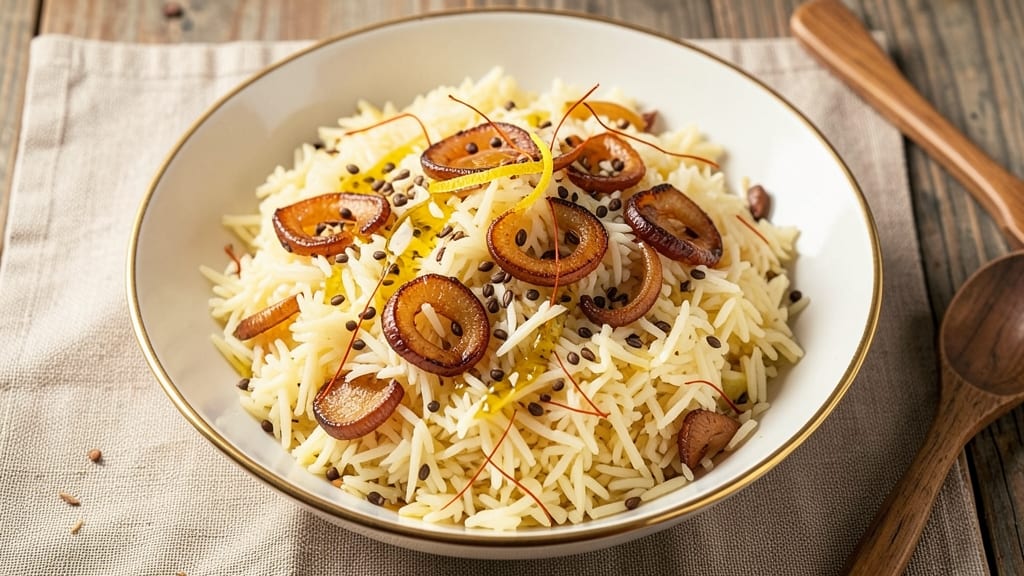
This celebration rice recipe transforms ordinary meals into festive centerpieces with saffron-infused aroma and vibrant herb notes. The secret lies in slow-toasting whole spices and simmering basmati rice in aromatic broth until each grain achieves that signature fluffiness.
I developed this version after years of perfecting restaurant-style pilafs for holidays—now you can recreate that same luxurious texture at home.
What sets this apart is the balance of perfect tenderness and subtle spice complexity, achieved through precise timing and layering of flavors. The saffron threads dissolve into golden threads, while fresh herbs like parsley and cilantro add bright contrast.
Whether serving alongside grilled meats or as a standalone vegetarian dish, this rice delivers restaurant-quality results with minimal effort. The key technique? Parboiling the rice before finishing in broth ensures each grain remains separate and fragrant.
Ingredients for celebration rice
Elevate your celebration spread with this aromatic saffron-infused pilaf, where each ingredient plays a precise role in crafting restaurant-quality texture and flavor.
| Ingredient | Amount | Notes |
|---|---|---|
| Long-Grain Basmati Rice 🍚 | 2 cups | Uncooked, premium quality preferred |
| Saffron Threads 🌼 | ¼ tsp | High-quality, culinary grade |
| Yellow Onion 🧅 | 1 whole | Medium size, finely diced |
| Garlic Cloves 🧄 | 6 cloves | Fresh, peeled and minced |
| Vegetable Oil 🫒 | ½ cup | High smoke point preferred |
| Ground Cumin 🌿 | 1 tsp | Freshly toasted for depth |
| Ground Coriander 🌿 | 1 tsp | Freshly ground preferred |
| Turmeric Powder 🌶️ | ½ tsp | Bright, vibrant color |
| Fresh Parsley 🌿 | ¼ cup | Chopped, flat-leaf preferred |
| Fresh Cilantro 🌿 | ¼ cup | Chopped, stems removed |
| Chicken Vegetable Broth 💧 | 3 cups | Low-sodium preferred |
| Unsalted Butter 🧈 | 2 tbsp | Cold, cubed for finishing |
| Kosher Salt 🧂 | 1 ½ tsp | Diamond Crystal preferred |
| Black Peppercorns 🌶️ | ½ tsp | Freshly cracked |
The foundation of any exceptional pilaf lies in the rice selection—Calrose or Mahatma basmati from specialty grocers like Whole Foods or Morton Williams deliver superior grain separation. Saffron is non-negotiable for authentic color and aroma; Boutique Spice Co. offers premium threads at a reasonable price. For the spices, toast whole cumin and coriander seeds in a dry pan for 30 seconds before grinding to unlock deeper flavor profiles. The butter should be European-style (like Plugrá) for higher fat content that enhances the final texture.
Substitutions can work, but with caveats: Safflower threads mimic color but lack aroma, so increase to 0.5 tsp if using. Fresh herbs can be swapped—dried parsley at one-third quantity works in a pinch, though texture differs. For broth, homemade vegetable stock intensifies flavor, but quality store-bought (like Pacific Foods) suffices. The rice-to-broth ratio is critical; for extra fluffiness, increase broth by 0.25 cup. Pre-diced onions from the store? Rinse thoroughly to remove excess sodium.
Store cooked pilaf in an airtight container with parchment between layers to prevent sticking—keeps 4-5 days in the fridge. For longer storage, freeze portions in single-serving containers with a sprinkle of salt to preserve texture. The saffron-infused butter can be prepped ahead and stored up to 2 weeks in the refrigerator. Reheat gently with a splash of broth to restore moisture; never microwave directly. Leftovers make exceptional fried rice the next day—just add a beaten egg and extra herbs.
Why You'll Love This Recipe
- Saffron Magic Simmer: I swear by those tiny saffron threads—just a pinch steeping in warm oil, and suddenly your rice smells like a Persian bazaar. No fancy techniques, just patience and a golden hue that makes everything feel special.
- One-Pot Wonder: Between us, I’ve burned rice more times than I’ll admit. This method? Toast the onions and garlic in oil until they’re sweet and caramelized, then pour in the rice and liquid—walk away. No stirring, no stress, just perfect grains every time.
- Crowd-Pleaser Basics: Honestly, it’s the kind of rice that disappears at gatherings. Serve it plain for a fancy dinner or pile it high with grilled chicken and roasted veggies—no one questions why it’s on the table. Even picky eaters eat it all.
- Budget Luxury Leftovers: A single batch feeds four, and the leftovers? Just as good reheated the next day. The saffron keeps the flavor rich, the basmati stays fluffy, and you’re saving money while still feeling like you’re serving something extraordinary. (Yes, even on a Tuesday night.)
Step-by-step instructions for festive saffron and herb pilaf
Transform simple ingredients into a showstopping centerpiece with this method-tested pilaf technique.
Bloom the Saffron and Toast the Spices
In a small bowl, steep the 0.25 tsp saffron threads in 2 tablespoons warm water for 5 minutes—this releases their vibrant color and floral aroma. Set aside. In a heavy-bottomed pot, heat the 0.5 cup vegetable oil over medium heat until shimmering but not smoking.
Add the 1 whole yellow onion, finely diced, and cook for 5-6 minutes until translucent and golden. Stir in the 6 cloves minced garlic, 1 tsp ground cumin, 1 tsp ground coriander, and 0.5 tsp turmeric powder, toasting for 30 seconds until fragrant. This step develops deep, aromatic flavors that form the pilaf's foundation.
Sauté the Rice Until Translucent
Add the 2 cups long-grain basmati rice to the pot and stir for 2-3 minutes until each grain becomes translucent at the edges. This critical step prevents mushy rice by creating a light crust that separates the grains. I press down gently with a wooden spoon to ensure even coating—this prevents clumping during cooking.
Pour in the saffron-infused water and 3 cups chicken vegetable broth, then add 1.5 tsp kosher salt. Bring to a gentle boil, then immediately reduce heat to low, cover tightly with a lid, and let simmer for 15 minutes without disturbing. The rice will absorb liquid gradually, maintaining its distinct grains.
Rest and Fluff for Perfect Texture
After 15 minutes, turn off the heat and let the rice rest covered for 5 minutes. This resting period allows residual steam to finish cooking the grains evenly. Using a fork, gently fluff the rice from the bottom up—this separates the grains and creates that signature pilaf texture.
Remove the lid and let the rice sit uncovered for 2 minutes to evaporate excess moisture. Stir in the 2 tbsp cold cubed butter, 0.25 cup chopped parsley, and 0.25 cup chopped cilantro, along with 0.5 tsp freshly cracked black peppercorns. The butter adds richness while the herbs brighten the dish with freshness.
Serve Immediately for Maximum Impact
Transfer the pilaf to a serving dish and press down lightly with the back of a spoon to create an even surface. Garnish with an additional sprinkle of parsley and cilantro for visual appeal. Serve warm, accompanied by grilled meats or roasted vegetables for a celebratory meal that impresses every guest.
This pilaf delivers perfectly separated grains with a fragrant saffron aroma and vibrant golden color. The resting and fluffing steps are what transform good rice into restaurant-quality pilaf—don't skip them.
Pro Tips For Making Celebration Rice
- TOAST THE ONIONS LOW: I learned this the hard way—basmati rice needs sweet, caramelized onions, not burned ones. Cook them over medium-low heat for 10-12 minutes, stirring occasionally, until they’re deep gold and just starting to stick. If they darken too fast, you’ve gone too hot, and the flavor turns bitter.
- SOAK THE SAFFRON RIGHT: Skip the dry sprinkle—saffron loses its magic when tossed raw. Crush the threads, then steep them in 2 tablespoons warm water for 10 minutes before adding to the rice. This guarantees vibrant color and full flavor instead of dusty, underwhelming strands.
- USE A TIGHT LID AFTER BOILING: Once the rice hits a rolling boil, drop the heat to low and slap that lid on immediately. The steam will cook the rice evenly without drying it out. I used to peek too soon, and the rice would turn out uneven—now I resist the urge to check until the timer goes off.
- RINSE THE RICE UNTIL CLEAR: Cold-water rinsing removes excess starch, so your rice stays separate and fluffy. Swirl 1 cup rice in a fine-mesh strainer under running water for 20 seconds, then repeat until the water runs nearly clear. This isn’t just about texture—it keeps the grains from turning gummy.
Essential equipment for this recipe
Heavy-Bottomed Pot
This is my non-negotiable tool for pilaf—Le Creuset Dutch ovens or All-Clad stainless steel pots distribute heat evenly and prevent scorching. I avoid thin aluminum pots because they can’t maintain consistent temperatures during the long simmer.
For budget-friendly options, Calphalon stainless steel works well too. The extra weight helps stabilize temperature fluctuations, which is critical for even cooking. 🌡️
Wooden Spoon
A long-handled wooden spoon (like Oxo Good Grips) is essential for stirring and pressing down the rice without scratching your pot. I prefer wood because it won’t conduct heat like metal, making it safer for handling hot rice.
Avoid plastic spoons—they can melt under high heat and release harmful chemicals. The spoon’s flexibility also helps gently separate grains during the fluffing step.
Fine-Mesh Strainer
For rinsing your rice before cooking, a fine-mesh strainer (I use OXO Good Grips) removes excess starch that can make your pilaf gummy. Rinse the 2 cups basmati rice under cold water until the water runs clear—this step is crucial for achieving those signature fluffy grains.
If you don’t have a strainer, a clean kitchen towel works in a pinch, but it’s messier and less effective.
Saffron Infuser
While not mandatory, a saffron infuser (like the Bambino Saffron Infuser) makes extracting every bit of color and flavor from your 0.25 tsp saffron threads effortless. Simply steep the threads in warm water for 5 minutes, then squeeze out the liquid—this ensures no precious saffron goes to waste.
Without one, use a small bowl and fine strainer to press out the liquid manually.
Kitchen Timer
Precision timing is key for pilaf success, so I rely on a digital kitchen timer (I love the Cuisinart CT-30) to track the 15-minute simmer and 5-minute rest phases.
Set it for the 15 minutes after adding broth, then again for the 5-minute rest—this ensures your rice cooks evenly without overcooking. A phone timer works, but a dedicated kitchen timer keeps you from accidentally missing critical steps while multitasking.
Butter Knife or Small Spatula
For stirring in the 2 tbsp cold cubed butter at the end, a butter knife or small heat-resistant spatula works best. Cold butter melts into the rice more evenly, creating a luxurious finish.
Avoid melting the butter separately—this step relies on the residual heat of the rice to gently incorporate the butter for a silky texture. A small offset spatula also helps distribute the herbs evenly without breaking the grains. 🧈
Nutrition facts
Frequently asked questions
Can I make this celebration rice recipe vegetarian?
Replace the chicken vegetable broth with vegetable broth and add 1 cup of mixed vegetables (like bell peppers, peas, or carrots) when sautéing the onions. For extra protein, stir in 1 cup of chickpeas or lentils during the final fluffing step. The saffron and herb flavors will still shine through beautifully.
Why does my pilaf turn out mushy instead of fluffy?
Mushy rice usually happens from one of three things: overcooking, too much liquid, or skipping the resting time. Always use the 1:1.5 rice-to-broth ratio (2 cups rice to 3 cups broth) and never peek while cooking. Let the rice rest covered for 5 minutes after cooking—this crucial step allows steam to finish cooking the grains evenly.
How can I make this recipe gluten-free?
This recipe is naturally gluten-free, but check your broth and spices for hidden gluten. Use a certified gluten-free vegetable broth and ensure your saffron and spice blends (like cumin and coriander) are labeled gluten-free. The basmati rice itself is gluten-free, so no other substitutions are needed. Always verify packaging labels to be safe.
Can I prepare this ahead of time for a party?
Yes! Make the pilaf up to 2 days ahead and store it in an airtight container in the refrigerator. Reheat gently in a pot with a splash of broth over low heat until warmed through. For serving, fluff again with a fork and add fresh herbs to restore brightness. The flavors actually improve overnight as the spices meld further.
What's the best way to serve this celebration rice?
This pilaf pairs beautifully with grilled meats like chicken or lamb, but it also works as a standalone vegetarian dish. For a complete meal, serve with roasted vegetables, a yogurt sauce, or grilled halloumi cheese. Garnish with extra saffron threads or toasted slivered almonds for added texture and visual appeal. The golden color makes it perfect for festive occasions!