
Main Courses
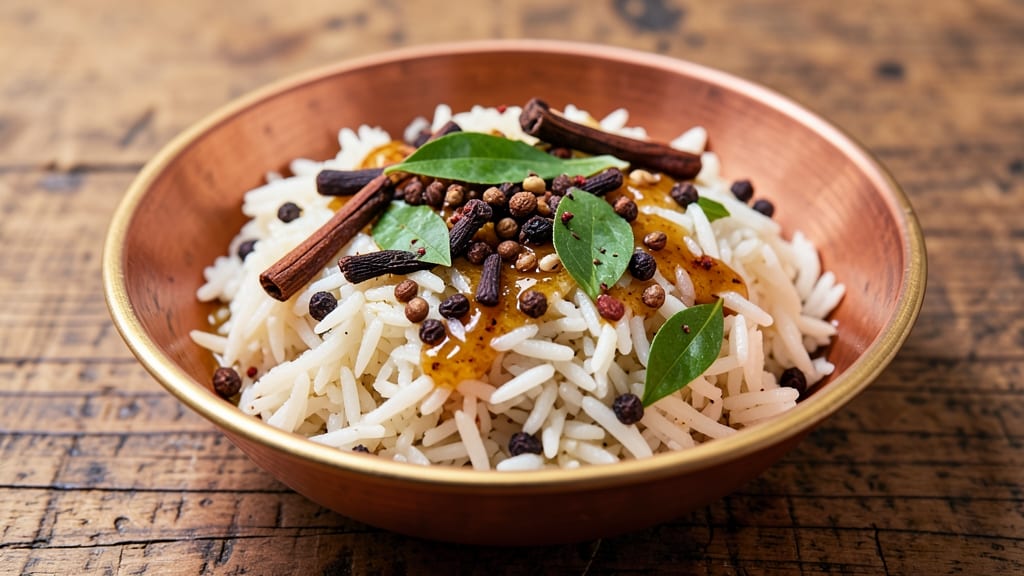
This South Indian black pepper rice delivers aromatic, spice-infused grains with a toasted crunch that makes every bite irresistible.
The secret lies in tempering whole spices in hot ghee until they sing—black pepper, mustard seeds, and curry leaves create layers of warmth and earthiness that transform simple rice into a fragrant, restaurant-quality dish.
Perfect for pairing with sambar or yogurt, this recipe balances tradition with modern convenience, whether you use pressure cooking or instant rice.
The dish begins with perfectly cooked rice, then layers in a tempering (tadka) of black peppercorns, curry leaves, and other spices that release their oils and aromas into the grains.
The result is a dish that’s fragrant, slightly crunchy from the toasted spices, and packed with the bold, healthful punch of black pepper—a staple in South Indian cooking known for its digestive benefits.
Ready in under 30 minutes, it’s ideal for weeknight dinners or special occasions where bold flavors shine.
Ingredients for black pepper rice south indian
Eleven aromatic ingredients transform plain rice into a fragrant South Indian masterpiece.
| Ingredient | Amount | Notes |
|---|---|---|
| Basmati Rice 🍚 | 1 cup | Uncooked, long-grain preferred |
| Black Peppercorns 🌶️ | 1 tbsp | Whole, freshly cracked preferred |
| Mustard Seeds 🌿 | ½ tbsp | Yellow or brown variety |
| Curry Leaves 🌿 | ¼ cup | Fresh, whole leaves |
| Cloves 🌿 | 4 whole | Whole, lightly crushed |
| Cinnamon Sticks 🌿 | 1 whole | 1-inch pieces |
| Ghee 🧈 | ½ cup | Clarified butter, unsalted |
| Salt 🧂 | 1 tsp | Diamond Crystal preferred |
| Water 💧 | 2 cups | Filtered for best flavor |
| Asafoetida (Hing) 🌿 | ⅛ tsp | Pinch for authentic aroma |
| Green Chilies 🌶️ | 2 whole | Slit lengthwise, optional |
| Lemon Juice 🍋 | 1 tbsp | Freshly squeezed |
The spices here are non-negotiable for authentic flavor. Whole mustard seeds and curry leaves are essential—frozen curry leaves lose their potency, so grab fresh from an Indian grocery or specialty market. Madras or Bombay spices brands ensure quality, and ghee (not butter) gives that signature toasted aroma. Black peppercorns should be freshly cracked for maximum pungency—a mortar and pestle works best. Asafoetida (hing) might be hard to find outside Indian stores, but a pinch of garlic powder can substitute if needed.
No curry leaves? Dried thyme at one-third the amount mimics some of the earthy notes, though it won't replicate the exact flavor. Substituting ghee with butter reduces the dish's rich, nutty depth—stick with ghee for authenticity. The green chilies are optional but add a welcome heat; if you prefer mild, omit them entirely. For rice, jasmine or basmati both work, but basmati's long grains hold up better to the spices. The water should be boiling when added to the rice—no soaking needed for this quick method.
Store cooked rice in an airtight container for up to 3 days in the fridge, though it's best enjoyed fresh. The spices release more aroma when reheated gently with a splash of water. For longer storage, freeze portions for up to 3 months. The tempering (tadka) can be made ahead and stored in a sealed jar for 1 week, though fresh is always better. Pair with sambar or yogurt to complete the South Indian meal experience.
Why You'll Love This Recipe
- No-Fuss Flavor Bomb: I swear by this when I’m too tired to fuss—just toast the mustard seeds and cloves in oil until they pop, toss in the peppercorns and curry leaves, and let the spices work their magic while the rice cooks. The aroma alone makes me forget I’m not at my grandma’s kitchen.
- Peppery Magic: That first bite? Crispy black peppercorns crackling against fluffy basmati—it’s like a warm hug for your taste buds. Honestly, the contrast of the spicy heat and the mild rice is chef’s kiss without the pretension.
- Weeknight & Potluck Hero: Between us, this is my go-to for lazy nights and when I need to bring something impressive to a gathering. Serve it with yogurt or a simple dal, and suddenly you’ve got a full spread that feels special—no stress, just good food.
- Budget-Friendly Staple: A single bag of basmati and a jar of peppercorns stretch for ages, and the spices cost pennies. I make this twice a week, pack leftovers for lunch, and still have change left for my coffee habit. Practical? Yes. Delicious? Absolutely.
Step-by-step instructions for South Indian black pepper rice
Master this aromatic rice dish where toasted spices and tender grains create a symphony of flavors.
Prepare the Spice-Tempering
In a heavy-bottomed pot, melt the 0.5 cup Ghee over medium-low heat until it shimmers lightly. Add the 1 whole Cinnamon Sticks and 4 whole Cloves, letting them sizzle gently for 30 seconds until fragrant. This is your aromatic base—don't rush this step or the spices will burn.
Next, add the 0.5 tbsp Mustard Seeds. They'll pop energetically—this is normal and signals they're ready. Immediately follow with the 0.25 cup Curry Leaves and 2 whole Green Chilies. Stir constantly for 1 minute until the curry leaves turn vibrant green and the chilies darken slightly. The mustard seeds should turn golden brown at the edges.
Toast the Black Peppercorns
Add the 1 tbsp Black Peppercorns to the tempering. Toast them over medium heat for 2-3 minutes, stirring frequently, until they darken to a deep brown and release their intense aroma. This is where the dish gets its signature peppery depth—don't skip this step or the flavor will be muted.
Watch carefully as the peppercorns toast. They should smell pungent and slightly floral, not burnt. If they start to smoke excessively, reduce the heat immediately. Once properly toasted, remove the pot from heat for 30 seconds to allow the spices to settle.
Cook the Rice with Spices
Return the pot to medium heat and add the 1 cup Basmati Rice, stirring gently to coat each grain with the spice mixture. Cook for 2 minutes, stirring constantly, until the rice turns translucent at the edges. This step ensures every grain absorbs the aromatic spices.
Add the 2 cups Water and 1 tsp Salt, then bring to a gentle boil. Once boiling, reduce heat to low and cover with a tight-fitting lid. Let the rice simmer for 12 minutes without lifting the lid. The steam will work its magic, creating fluffy, separate grains infused with the spice tempering.
Finish with Asafoetida and Lemon
After 12 minutes, remove the pot from heat and let it sit covered for 5 minutes. Then, sprinkle the 0.125 tsp Asafoetida (Hing) over the rice and gently fold it in. The hing adds that unmistakable umami depth characteristic of South Indian cooking. Finally, drizzle the 1 tbsp Lemon Juice over the top and fluff the rice gently with a fork.
Let the rice rest for 5 minutes before serving. This final resting period allows the flavors to meld completely, resulting in perfectly infused grains with a toasted crunch from the spices. Serve immediately while still warm for the best texture and aroma.
Pro Tips For Making Black Pepper Rice South Indian
- CRUSH PEPPERCORNS FRESH: You’ll taste the difference—don’t buy pre-ground pepper. Use a mortar and pestle or roll a heavy pan over them in a bag until they’re fine but still aromatic. The heat from grinding releases oils that pre-ground powder loses.
- TOAST RICE UNTIL GOLDEN: Skip the "just until fragrant" rule—this rice needs color. Stir constantly over medium-high heat until every grain is a deep golden brown, like toasted nuts. Undertoasted rice tastes bland; overtoasted burns fast.
- SALT THE WATER LATE: Add salt only after the rice starts boiling. I learned this the hard way—salting early makes the rice absorb too much water and turn mushy. Wait until the water’s hot, then add salt and rice together.
- USE CURRY LEAVES LAST: Toss the curry leaves in with the peppercorns at the very end. They burn faster than you think, and their smoky bitterness ruins the dish if they crisp too much. Add them when the mustard seeds pop—just 10 seconds before turning off the heat.
Creative variations of this black pepper rice south indian
Spicy Variations
For extra heat, add 1 tsp red chili powder or ½ tsp cayenne pepper to the tempering while toasting the black peppercorns. This amplifies the dish’s fiery kick while keeping the South Indian essence intact.
I’ve found that Kashmiri red chili powder adds a smoky depth without overpowering the black pepper’s pungency. 🌶️
Mild Adaptations
If you prefer a gentler flavor, reduce the green chilies to 1 whole or omit them entirely. Replace them with ½ tsp mild paprika for a touch of warmth without heat. For extra creaminess, stir in 2 tbsp coconut milk during the final resting stage—this balances the spices beautifully.
Vegetarian Fusion
Transform this into a vegan black pepper rice by replacing ghee with ½ cup coconut oil or vegan butter. Use 1 tbsp nutritional yeast instead of asafoetida for a cheesy, umami boost.
The dish retains its bold flavors while becoming plant-based. Always check your coconut oil for unrefined versions to preserve the dish’s authentic aroma.
Protein Boosters
Add ½ cup cooked lentils (dal) or ½ cup shredded chicken to the rice during the final resting stage. For a seafood twist, stir in ½ cup cooked shrimp or ½ cup paneer cubes just before serving.
These additions turn the dish into a complete, protein-packed meal without altering the rice’s signature spice infusion.
Regional Twists
For a Kerala-style version, include ½ tsp grated ginger and 1 tsp black pepper powder in the tempering. In Tamil Nadu, many add 1 tsp fennel seeds alongside the mustard seeds for a sweeter, anise-like note.
Each regional variation keeps the black pepper as the star while introducing subtle local flavors. 🗺️
Modern Shortcuts
Use 1 cup pre-cooked instant rice (like Tilda or Uncle Ben’s) to cut prep time to 15 minutes. Skip the initial rice coating step and add the tempering spices directly to the boiling water before mixing in the rice.
For extra convenience, pre-toast the black peppercorns and store them in an airtight container for up to 2 weeks—just add them straight to the pot when ready to cook.
Nutrition facts
Frequently asked questions
Why does this South Indian rice recipe use black peppercorns instead of ground pepper?
Whole black peppercorns release their aromatic oils more effectively when toasted, creating a deeper, more complex flavor than pre-ground pepper. The toasting process also adds a subtle toasted crunch that ground pepper can't replicate. Plus, whole peppercorns keep better and maintain their potency longer than ground versions.
Can I make this black pepper rice in a rice cooker?
First prepare the tempering in a separate pot, then add the rice and water to your rice cooker. After cooking, mix in the tempering and finish with asafoetida and lemon juice. For best results, use the "steam" function if your cooker has it to preserve the spices' aroma. The rice will be slightly less toasted but still delicious.
What's the best way to store leftover black pepper rice?
Store in an airtight container in the fridge for up to 3 days. For longer storage, freeze portions for up to 3 months. When reheating, add a splash of water and cover with a damp paper towel to restore moisture. The spices' aroma actually intensifies when reheated gently with a bit of ghee.
How can I make this recipe less spicy?
Reduce or omit the green chilies entirely, and use ½ tsp mild paprika instead for warmth without heat. You can also decrease the black peppercorns to ½ tbsp and toast them for 1-2 minutes instead of 3. For extra mildness, finish with a dollop of yogurt or coconut milk when serving.
What are the health benefits of black pepper in this dish?
Black pepper contains piperine, a compound that boosts nutrient absorption (like curcumin from turmeric) and has anti-inflammatory properties. The dish also provides fiber from the rice, healthy fats from ghee, and antioxidants from curry leaves. Just be mindful of portion sizes if watching sodium or fat intake.