
Main Courses
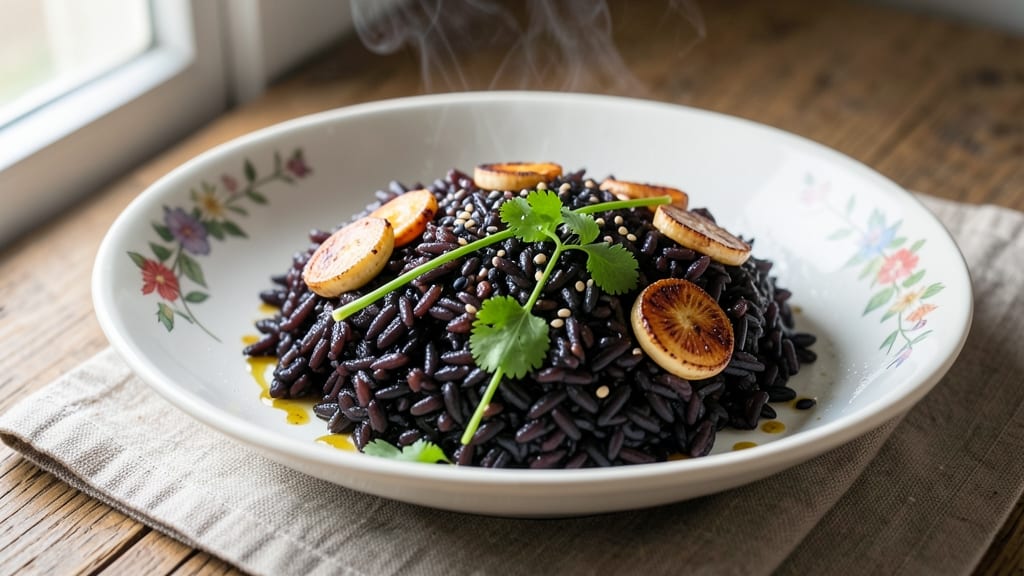
Black rice cooking recipe transforms this nutrient-dense grain into a luxurious dish with a deep purple hue and satisfying texture. Unlike white rice, black rice—often called forbidden rice—requires proper preparation to unlock its full potential, from soaking to achieving that perfect toasted grain finish. The secret lies in balancing hydration and heat to maintain its velvety interior while developing a subtle nutty aroma.
This method delivers restaurant-quality results with minimal effort, pairing beautifully with both savory proteins and sweet applications. Whether you're creating an elegant Asian-inspired bowl or a decadent dessert, the key steps ensure tender grains that hold their shape while developing that signature toasted crunch.
Ready in just 30 minutes, this recipe proves black rice deserves a place at your dinner table.
Ingredients for black rice cooking
Transform forbidden rice into restaurant-quality velvet with deep purple hues and nutty aroma.
| Ingredient | Amount | Notes |
|---|---|---|
| Black Rice (Forbidden Rice) 🌾 | 1 cup | Uncooked, high-quality grains preferred |
| Water 💧 | 2 ½ cups | Filtered for best flavor |
| Vegetable Oil 🫒 | 1 tbsp | High smoke point preferred |
| Salt 🧂 | ½ tsp | Diamond Crystal kosher preferred |
| Garlic Cloves 🧄 | 2 cloves | Minced for aroma infusion |
| Fresh Ginger 🌿 | 1 tsp | Finely grated, organic preferred |
| Sesame Oil 🫒 | ½ tsp | Toasted sesame flavor |
| Soy Sauce 🍶 | 1 tbsp | Low-sodium preferred |
| Honey 🍯 | 1 tsp | For subtle sweetness |
| Toasted Sesame Seeds 🌰 | 1 tsp | For garnish and crunch |
| Scallions 🧅 | 2 whole | Thinly sliced, green parts only |
The quality of your black rice makes all the difference. Look for whole-grain forbidden rice at specialty Asian markets or high-end grocery stores like Whole Foods—brands like Lundberg or Napa Valley Naturals are excellent choices. The grains should be plump and uniform, with a deep purple-black color. Avoid pre-rinsed varieties, as the natural bran coating helps develop that signature toasted aroma during cooking. For best results, store your rice in an airtight container away from light to preserve its vibrant color and rich flavor profile.
No sesame oil? Avocado oil or light olive oil works in a pinch, though the flavor will differ slightly. Fresh ginger losing its potency? Ground ginger at half the amount gets you close, but fresh is ideal. The soy sauce can be tamari for gluten-free applications, and if you're avoiding honey, maple syrup or agave nectar maintains the subtle sweetness. For the garlic, garlic powder at one-third the amount works if fresh isn't available, though it lacks the depth. The scallions can be subbed with chives if preferred, but their mild onion flavor complements the dish beautifully.
Black rice reheats beautifully—simply add a splash of water and steam for 2-3 minutes to restore its velvety texture. Store cooked rice in the refrigerator for up to 5 days in an airtight container, or freeze for 3 months by portioning into single-serving bags. For best texture, toast the sesame seeds in a dry pan over low heat for 1-2 minutes before garnishing. This dish pairs exceptionally well with grilled proteins or as a base for elegant Asian-inspired bowls, making it versatile for both weeknight dinners and special occasions.
Why You'll Love This Recipe
- Here’s what sold me: that first bite of toasted garlic wafting through the rice. It’s not just flavor—it’s character. The nutty richness of black rice? Even better with garlic’s warmth clinging to every grain.
- Five-Ingredient Magic: I swear by this—just rice, water, oil, garlic, and salt. That’s it. No fancy chopping, no hidden pantry raids, and zero stress. The black rice does all the heavy lifting.
- Garlic-Kissed Depth: Here’s what sold me: that first bite of toasted garlic wafting through the rice. It’s not just flavor—it’s character. The nutty richness of black rice? Even better with garlic’s warmth clinging to every grain.
- Weeknight to Potluck: Between us, this is my go-to for busy nights and company. Serve it plain for a quick lunch, or bulk it up for a holiday dish. My in-laws think I’m a genius when I bring it to gatherings—no one expects how good it is.
Step-by-step instructions for black rice with toasted grains
Master this technique for perfectly cooked black rice with deep purple hues and nutty, toasted grains.
Prepare the Black Rice for Optimal Texture
Rinse the 1 cup black rice (forbidden rice) thoroughly under cold water in a fine-mesh strainer until the water runs completely clear. This removes excess starch that can make the rice gummy. I like to swirl the rice gently with my fingers while rinsing to ensure all grains are clean and evenly coated with water.
Transfer the rinsed rice to a medium saucepan and add the 2.5 cups water. Bring to a boil over medium-high heat, then immediately reduce to a simmer. The key here is to maintain a gentle boil for 10 minutes—this initial cooking phase helps the rice absorb water evenly and develop its signature deep purple color. Don't cover yet; we need to monitor the water level carefully.
Toast the Grains for Enhanced Flavor
After the initial 10 minutes of simmering, drain the rice completely using a colander. Return it to the same saucepan and add the 1 tablespoon vegetable oil. Spread the rice out evenly in a single layer—this prevents clumping and ensures even toasting. Heat over medium heat for 3-4 minutes, stirring constantly with a wooden spoon.
Watch closely as the rice begins to develop golden-brown spots and release nutty aromas. This toasting step is what gives the dish its signature toasted grain texture and depth of flavor. When the rice is evenly toasted with visible golden patches, remove from heat and set aside. The residual heat will continue the toasting process slightly, so don't overdo it at this stage.
Build the Flavor Base with Aromatics
In the same saucepan (no need to clean it—the browned bits add flavor), add the 1 tablespoon vegetable oil that remains. Heat over medium heat until shimmering, then add the 2 cloves minced garlic cloves and 1 teaspoon finely grated fresh ginger. Cook for 1-2 minutes until the garlic becomes fragrant but doesn't brown—this prevents bitterness and ensures sweet, mellow flavors.
Next, add the 1 tablespoon soy sauce and 1 teaspoon honey. Stir to combine and let simmer for 30 seconds until the mixture becomes slightly syrupy. This creates a flavorful base that will infuse the rice with umami and subtle sweetness. The soy sauce also helps balance the earthy taste of the black rice, while the honey adds a touch of natural sweetness that complements the toasted grains.
Combine and Finish with Sesame Notes
Return the toasted rice to the saucepan with the flavor base. Gently fold everything together using a spatula, ensuring the rice is evenly coated. Add the 0.5 teaspoon sesame oil and stir well to distribute. The sesame oil adds a delicate nutty aroma that pairs beautifully with the toasted grains. Cover the saucepan and reduce heat to low, then let it steam for 15-18 minutes.
During this time, the rice will absorb the remaining liquid and develop its characteristic creamy yet firm texture. Check for doneness by tasting a grain—it should be tender with a slight resistance in the center. If it's still slightly undercooked, continue steaming for another 2-3 minutes. The rice should have a deep purple hue with visible toasted grains throughout.
Garnish and Serve Immediately
Once the rice is perfectly cooked, transfer it to a serving dish. Drizzle with any remaining cooking liquid from the pan, then sprinkle evenly with the 1 teaspoon toasted sesame seeds and 2 whole scallions (thinly sliced, green parts only). The sesame seeds add a satisfying crunch, while the scallions provide a fresh contrast to the rich, toasted flavors of the rice.
Serve immediately while still warm for the best texture and flavor. The black rice should have a luxurious, velvety texture with pockets of toasted grains that add both visual appeal and nutty depth. This dish pairs beautifully with grilled proteins, fresh vegetables, or as a standalone centerpiece for its striking appearance and complex flavors.
Pro Tips For Making Black Rice Cooking
- SOAK IT FIRST: Black rice stays stubbornly hard if you skip soaking—trust me, I’ve fought this battle. Rinse it well, then let it sit in water for at least 4 hours (overnight if you’re not in a rush). The longer it soaks, the creamier the texture when cooked, and that’s the real payoff.
- SAUTÉ GARLIC LOW: High heat torches garlic before it even flavors the rice. Use medium-low and stir constantly—you want golden, not burnt. If you’re impatient like me, crush the cloves first so they release flavor faster without waiting for a deep caramelization.
- USE LESS WATER: Black rice absorbs water like a sponge, but too much turns it mushy. Start with a 1:1.5 rice-to-water ratio (1 cup rice to 1.5 cups water), then adjust as you go. Better to add a splash later than deal with soggy rice—your future self will thank you.
- STIR ONCE, COVER TIGHT: After the initial sauté, stir the rice just once to distribute the oil and garlic evenly. Then seal the pot with a tight lid—no peeking—and let it steam undisturbed. I learned this the hard way: every time I lifted the lid to check, I ended up with unevenly cooked grains.
Serving suggestions for this recipe
Elegant Asian Bowls
Transform your black rice into the star of bento-style bowls by pairing it with grilled salmon or teriyaki chicken. I like to arrange the deep purple rice as the base, then add quick-pickled cucumbers (tossed with rice vinegar, sugar, and sesame seeds) and steamed bok choy for freshness.
Top with a soft-boiled egg and avocado slices for a vibrant, nutrient-packed meal that looks as stunning as it tastes. 🌿
Sweet Dessert Twist
Black rice isn’t just for savory dishes—it’s a luxurious dessert base when combined with red bean paste and coconut milk. Simmer 1 cup cooked black rice with ½ cup red bean paste and ½ cup coconut milk over low heat for 10 minutes, stirring gently.
Serve warm in small bowls with a drizzle of honey and toasted coconut flakes. This Asian-inspired pudding is rich, creamy, and perfect for special occasions.
Protein-Packed Meal Prep
For meal prep, cook a large batch of black rice and store it in airtight containers for up to 5 days. Pair it with rotisserie chicken, roasted sweet potatoes, and steamed broccoli for a balanced lunch.
I like to portion the rice into glass containers with compartments—this keeps flavors fresh and makes assembly easy. Add a quick sauce (like soy-ginger dressing) before eating to keep it exciting all week. ⏰
Garnish Like a Pro
Elevate your dish with textural contrasts. Sprinkle crispy fried shallots for extra crunch, or add edible flowers (like pansies) for a pop of color. A drizzle of chili oil or yuzu kosher salt adds a bright, tangy finish.
For a vegan option, swap honey for maple syrup and use tahini instead of sesame oil—it still delivers that nutty depth. The key is balance: sweet, savory, crunchy, and fresh all in one bite. ✨
Drink Pairings
Match your black rice with jasmine green tea for a light, refreshing contrast. For a savory bowl, a dry Riesling or sake complements the umami flavors beautifully. If you prefer non-alcoholic, try hibiscus iced tea—its tartness cuts through the richness of the toasted grains.
Avoid heavy wines like Cabernet Sauvignon, as they can overpower the delicate nutty notes. 🍶
Kid-Friendly Adaptations
Make black rice fun for kids by serving it in mini muffin tins with fun toppings. Let them assemble their own bowls with shredded carrots, mandarin orange segments, and crumbled feta cheese.
For picky eaters, mix the black rice with white rice (50/50 ratio) to ease them into the deeper flavors. The color contrast makes it visually appealing, and the toasted grains add an exciting texture they’ll love. 👶
Nutrition facts
Frequently asked questions
Why does black rice turn gray after cooking?
The deep purple-black color comes from anthocyanins, which are sensitive to light and oxidation. When exposed to air during cooking or storage, these pigments react and turn grayish. To preserve the vibrant hue, use an airtight container and store cooked rice in the dark—like a sealed glass jar in your pantry. The gray color is harmless but dulls the dish's visual appeal.
Can I cook black rice in a rice cooker?
Yes, but with adjustments! Use a 1:2.5 rice-to-water ratio (1 cup rice to 2.5 cups water) and skip the initial 10-minute boil—just add everything at once. After cooking, drain the rice and toast it in a dry pan for 3-4 minutes to develop that nutty aroma. Rice cookers may take 20-25 minutes total, including the toasting step.
What's the difference between black rice and purple rice?
Black rice (forbidden rice) and purple rice are the same grain at different stages! Black rice is the unpolished, whole-grain version with the bran intact, giving it that deep purple-black color and higher nutrient content. Purple rice is typically polished, lighter in color, and less flavorful. For this recipe, always use unpolished black rice for the best texture and color.
How do I fix mushy black rice?
Mushy rice usually means too much water or insufficient toasting. Next time, drain the rice thoroughly after the initial boil and toast it in oil until golden. If you've already overcooked it, spread the rice on a baking sheet and bake at 300°F for 10 minutes to dry it out. For future batches, reduce water by ¼ cup and increase toasting time by 1 minute.
Is black rice gluten-free?
Yes, black rice is naturally gluten-free! It's a great alternative for those avoiding gluten. Just ensure your soy sauce is tamari-based and check other ingredients (like sesame oil) for cross-contamination warnings. The recipe as written is 100% gluten-free when using certified gluten-free soy sauce and avoiding shared kitchen tools with gluten-containing grains.