
Main Courses
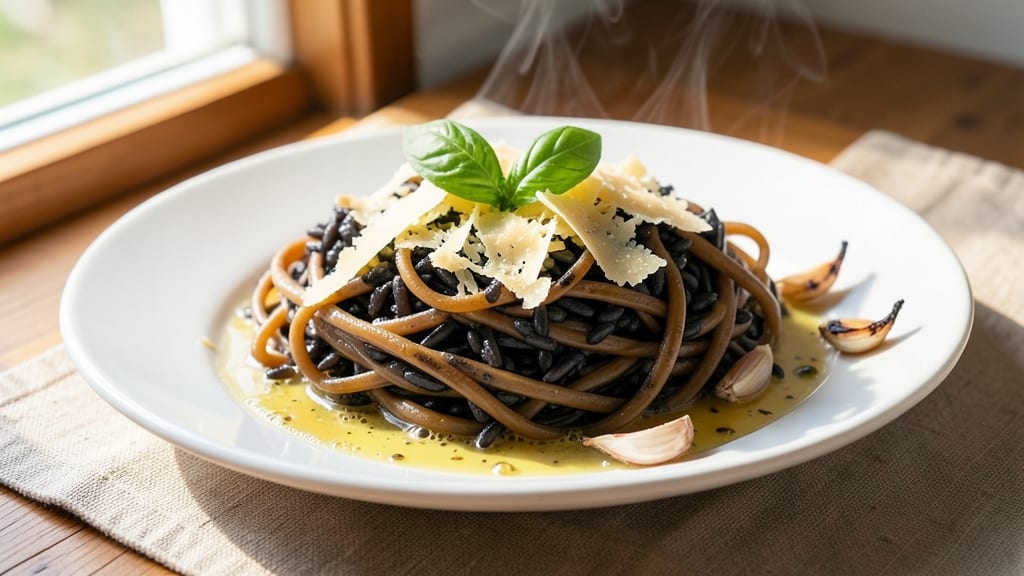
Black rice pasta transforms dinner into a visually stunning, umami-rich experience with its deep purple swirls and silky texture. Unlike regular pasta, this nutrient-dense ingredient boasts a rich, earthy flavor that pairs perfectly with bold sauces—think garlic butter, pesto, or a tangy tomato reduction. The secret lies in cooking it al dente, then tossing with a sauce that enhances its natural depth.
What sets this dish apart is the contrast of colors and textures—the vibrant black strands against creamy sauces or fresh greens create an elegant presentation. The pasta’s nutty undertones elevate simple recipes, making it ideal for weeknight dinners or special occasions.
With just 10 minutes of active prep and 12 minutes of cooking, you’ll achieve a restaurant-worthy meal that’s both impressive and effortless.
Ingredients for black rice pasta
Black rice pasta and bold flavors collide for a dish that’s as stunning as it is delicious.
| Ingredient | Amount | Notes |
|---|---|---|
| Black Rice Pasta 🍝 | 8 oz | Dried, high-quality black rice pasta |
| Extra-Virgin Olive Oil 🫒 | ½ cup | For tossing and sauce base |
| Garlic Cloves 🧄 | 4 cloves | Fresh, minced for garlic butter |
| Unsalted Butter 🧈 | 4 tbsp | Cold, cubed for garlic butter |
| Fresh Basil Leaves 🌿 | ½ cup | Chopped for finishing garnish |
| Parmesan Cheese 🧀 | ¼ cup | Freshly grated, for topping |
| Red Pepper Flakes 🌶️ | ½ tsp | Adjust for heat preference |
| Diamond Crystal Kosher Salt 🧂 | 1 ½ tsp | For pasta water and seasoning |
| White Wine Vinegar 🍷 | 1 tbsp | For finishing sauce |
| Fresh Lemon Zest 🍋 | 1 tsp | Brightens the dish |
| Toasted Pine Nuts 🥜 | ¼ cup | For crunchy texture |
| Arugula 🌱 | 2 cups | Baby leaves for bedding |
The star here is black rice pasta, and you want the highest quality you can find. De Cecco or Barilla both make excellent versions, but look for brands that specify 'black rice'—not just 'whole grain' with black dye. The color comes from anthocyanins, so vibrant purple means it's fresh and packed with flavor. Avoid anything labeled 'instant' or 'quick-cooking'—you want the full al dente experience. If you can't find it locally, Amazon or specialty Italian markets are your best bet. Pro tip: rinse the pasta before cooking to remove excess starch and prevent sticking.
No garlic butter? Olive oil and minced garlic work just as well—skip the butter if you're avoiding dairy. Fresh basil is ideal, but dried oregano at half the amount gets you close in a pinch. The arugula adds a peppery bite, but spinach or baby kale work too if that's what's on hand. Pine nuts are pricey, but toasted walnuts or pecans give a similar crunch. For the sauce, if you don't have white wine vinegar, lemon juice works perfectly. And if you're feeling fancy, a drizzle of truffle oil takes this dish to the next level—just a teaspoon goes a long way.
Store uncooked black rice pasta in an airtight container in a cool, dark place for up to 12 months. Once cooked, it reheats beautifully—just toss with a splash of water and a pinch of salt to keep it from drying out. The garlic butter sauce keeps for 3 days in the fridge, but the fresh herbs and nuts are best used within 2 days. For meal prep, cook the pasta ahead and store it separately from the sauce. When ready to serve, just reheat the pasta and toss with freshly made sauce—5 minutes and you're good to go.
Why You'll Love This Recipe
- No-Fuss Cooking: I swear by this one—just boil the pasta, sauté garlic in olive oil, toss in butter, and finish with basil. That’s it. No fancy techniques, no stress, and it still looks impressive.
- Umami Magic: The black rice pasta alone brings that deep, nutty richness, but add garlic and butter? It’s like a flavor explosion in your mouth. Simple ingredients, but the taste is ridiculously good.
- Weeknight Wonder: This dish works for lunch, dinner, or even a quick packed meal. Double the batch, and you’ve got leftovers for days—no sad, wilted salads here, just satisfying pasta.
- Budget-Friendly Luxury: Black rice pasta might sound fancy, but it’s actually affordable. Pair it with pantry staples like olive oil and garlic, and you’ve got a restaurant-worthy meal without breaking the bank. (Yes, even on a Tuesday night.)
Step-by-step instructions for black rice pasta with umami swirl
Here's how to transform simple ingredients into a visually stunning dish with rich flavors and silky texture.
Cook the Black Rice Pasta to Al Dente Perfection
Bring a large pot of water to a rolling boil and add the 1.5 teaspoons Diamond Crystal Kosher Salt. This salt level ensures the pasta absorbs enough flavor without being overly salty. Add the 8 oz Black Rice Pasta and cook according to package instructions—usually about 10-12 minutes—but test for doneness 1 minute early. The pasta should have a slight bite when you bite into it; black rice pasta tends to cook faster than traditional wheat pasta.
Drain the pasta in a colander, but don't rinse it—this removes the surface starch that helps the sauce cling. Reserve 1 cup of the pasta water before draining. This starchy liquid is essential for creating a silky sauce later. I keep a measuring cup nearby so I don't forget this crucial step—it makes all the difference in the final texture.
Create the Garlic Butter Sauce Base
While the pasta cooks, heat a large skillet over medium heat and add the 4 tablespoons Unsalted Butter and 0.5 cup Extra-Virgin Olive Oil. Let the butter melt completely, then add the 4 cloves Garlic Cloves that have been minced. Cook for 1-2 minutes until the garlic becomes fragrant but doesn't brown—this prevents bitterness. Here's the thing—if you let the garlic burn, it'll overpower the delicate umami flavors we're building.
Add the 0.5 teaspoons Red Pepper Flakes and stir for 30 seconds to distribute the heat evenly. This is where the dish gets its subtle warmth. Remove the skillet from heat and set aside—we'll return to it once the pasta is ready. The residual heat will keep everything warm while we prepare the remaining components.
Assemble the Pasta with Umami Elements
Return the drained pasta to the skillet with the garlic butter sauce. Add ½ cup of the reserved pasta water and toss vigorously for 1-2 minutes until the pasta is evenly coated. The sauce should look glossy and cling to the strands—this is your visual cue that it's working. If it looks too thick, add another 2-3 tablespoons of pasta water. I like to use a wooden spoon for tossing as it helps distribute the sauce more evenly than metal utensils.
Remove the skillet from heat and stir in the 1 tablespoon White Wine Vinegar and 1 teaspoon Fresh Lemon Zest. The vinegar brightens the dish while the lemon zest adds a subtle citrus note that cuts through the richness. Taste and adjust seasoning with additional Diamond Crystal Kosher Salt if needed—the pasta should be well-seasoned but not overwhelmingly salty.
Finish with Fresh Herbs and Crunchy Toppings
Transfer the pasta to serving plates and immediately top with the 0.25 cup Toasted Pine Nuts and 0.25 cup Parmesan Cheese. The pine nuts add a delightful crunch that contrasts beautifully with the silky pasta, while the Parmesan brings a salty depth. I like to sprinkle these toppings just before serving so they maintain their texture—adding them too early makes them soggy.
Gently arrange the 2 cups Arugula on top of the pasta, then scatter the 0.5 cup Fresh Basil Leaves (chopped) over everything. The arugula adds a peppery freshness that balances the richness, while the basil brings a bright, aromatic finish. The deep purple swirls of the black rice pasta create a stunning visual presentation that's almost as impressive as the flavors.
Pro Tips For Making Black Rice Pasta
- TOAST THE PASTA: DESCRIPTION: Black rice pasta sticks together like glue when raw—don’t skip the quick sear in olive oil first. Toss it in a dry pan for 2-3 minutes until it loses its shine, then add butter and garlic. I learned this the hard way after serving a mushy pile of noodles.
- MINCE GARLIC FINELY: DESCRIPTION: Whole garlic cloves in this dish just sit there like awkward guests. Pulse them in a food processor or smash them with the flat side of a knife until they’re almost paste-like—it melts into the butter and coats every strand of pasta.
- SALT THE WATER LESS: DESCRIPTION: Black rice pasta absorbs flavor like a sponge, so don’t overdo the salt in the boiling water—it’ll taste like the ocean. A pinch in the pot and more when tossing with butter is enough. I used to drown it, then realized the pasta itself carries the saltiness.
- FINISH WITH COLD BASIL: DESCRIPTION: Toss in basil leaves while the pasta’s still hot, then let it sit off the heat for 30 seconds. The leaves wilt just enough to release their flavor without turning to mush. (Yes, even if you’re impatient like me.)
Troubleshooting this recipe
Pasta Overcooking
Black rice pasta cooks faster than traditional wheat pasta, so it’s easy to overcook it if you’re not paying attention. I’ve ruined more than one batch by letting it sit in boiling water too long—10-12 minutes max is your target.
Test for doneness 1 minute early by tasting a strand. If it’s mushy, you’ve gone too far. Overcooked pasta loses its silky texture and becomes gummy, which ruins the dish’s elegant presentation. 🍝
Sauce Too Thick
The reserved pasta water is your secret weapon for a silky sauce, but if you forget to add it or don’t use enough, the sauce will cling like glue. Start with ½ cup of the reserved water and toss the pasta until it’s evenly coated.
If it’s still too thick, add 2-3 tablespoons more at a time. The sauce should look glossy and cling to the strands—this is your visual cue. Skipping this step is the #1 reason sauces fail with black rice pasta. ⚡
Garlic Burning
Burnt garlic is bitter and overpowering, especially in delicate dishes like this. Cook the 4 minced garlic cloves in butter and olive oil over medium heat for just 1-2 minutes until fragrant but not golden.
If you see brown spots, remove the pan immediately. The goal is to infuse flavor, not char the garlic. This is where most home cooks mess up—patience is key here. 🧄
Starchy Pasta Water
Reserving 1 cup of pasta water is non-negotiable for a silky sauce, but many people forget this step or use it incorrectly. The starch in the water helps emulsify the sauce, creating that luxurious cling.
If you rinse the pasta or don’t reserve enough water, your sauce will be dry and clumpy. I keep a measuring cup nearby while draining to avoid this common mistake. 💡
Toppings Too Early
Adding pine nuts or Parmesan cheese too early turns them soggy, ruining the crunch you want. Sprinkle these toppings right before serving—this ensures they stay crisp and add the perfect textural contrast.
The same goes for fresh herbs like basil. If you’re prepping ahead, store the toppings separately and add them just before eating. 🥜
Salt Imbalance
Black rice pasta absorbs flavor differently than wheat pasta, so nailing the salt is crucial. Start with 1.5 teaspoons of Diamond Crystal Kosher Salt in the pasta water, then taste the final dish and adjust.
Many people oversalt the water, leading to a bland sauce later. Remember, you can always add more salt, but you can’t take it out. Taste as you go! 🧂
Nutrition facts
Frequently asked questions
What makes black rice pasta different from regular pasta?
Black rice pasta gets its deep purple color and nutty flavor from anthocyanins found in black rice, which are powerful antioxidants. Unlike traditional wheat pasta, it has a slightly firmer texture and cooks about 1-2 minutes faster. The vibrant color also makes it perfect for visually stunning dishes—it pairs beautifully with creamy sauces or fresh greens for a restaurant-worthy presentation.
Can I substitute black rice pasta with regular pasta?
You can, but you'll miss out on the unique color and extra nutrients. If you're in a pinch, use whole wheat pasta for a similar texture, but avoid al dente testing—black rice pasta has a distinct bite when perfectly cooked. The flavor difference is subtle but noticeable, especially when paired with bold sauces like garlic butter or pesto.
How do I store leftover black rice pasta?
Store cooked black rice pasta in an airtight container in the fridge for up to 3 days. To reheat, toss with a splash of water and a pinch of salt to restore moisture. For longer storage, freeze cooked pasta for up to 3 months—just thaw overnight in the fridge before reheating. The sauce should be made fresh when reheating for best texture.
What's the best sauce pairing for black rice pasta?
The earthy, umami-rich flavors of black rice pasta shine with creamy sauces like garlic butter, pesto, or carbonara. For a lighter option, try a bright lemon vinaigrette or a tangy tomato sauce. Avoid overly sweet or heavy sauces that might compete with the pasta's natural nuttiness. The key is balancing rich and bright flavors to complement the pasta's deep color.
Is black rice pasta gluten-free?
Most black rice pasta is naturally gluten-free since it's made from rice flour, but always check the package label. Some brands may add wheat flour or other ingredients. For a certified gluten-free option, look for products labeled "gluten-free" and made in dedicated facilities. The texture works beautifully in gluten-free cooking, especially with flavorful sauces.