
Main Courses
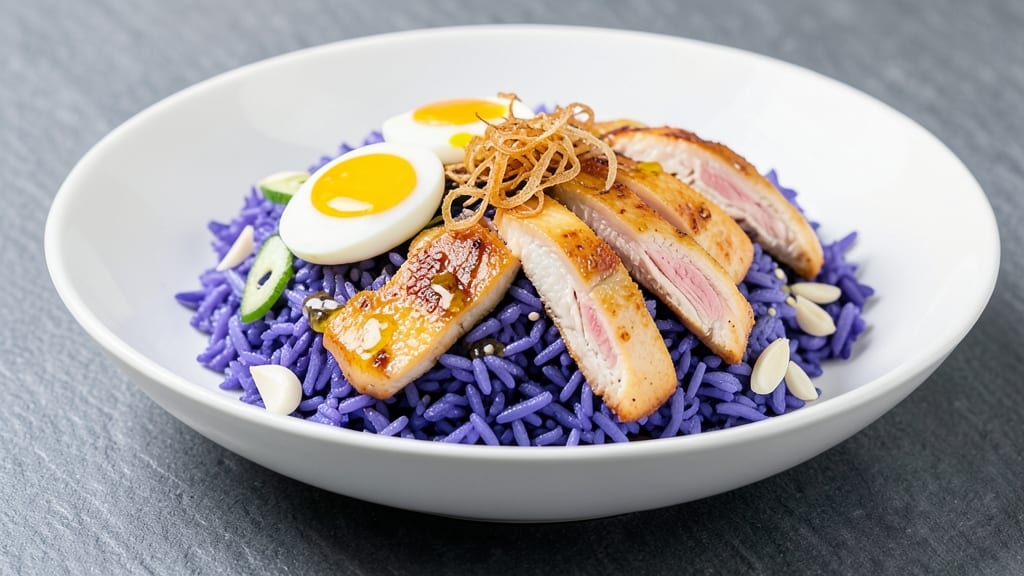
This blue fried rice recipe transforms a classic comfort dish into a visually stunning, flavor-packed masterpiece with just a few key techniques.
The secret lies in balancing crispy wok-tossed rice with a vibrant blue hue—achieved through butterfly pea flower or blue cornmeal—while keeping the eggy richness that makes fried rice irresistible. What sets this apart is the perfect texture: each grain stays distinct yet tender, with a golden crust from high-heat stir-frying.
What makes this recipe truly stand out is its foolproof method for achieving that signature crispy texture without drying out the rice. The protein—whether shrimp, chicken, or tofu—cooks just long enough to stay tender while absorbing the savory garlic-ginger sauce.
The result? A dish that’s as impressive to look at as it is to eat, with bold flavors and a satisfying bite in every forkful. Ready to elevate your fried rice game?
Ingredients for blue fried rice
Fourteen ingredients transform ordinary fried rice into a visually stunning, crispy masterpiece with vibrant blue hues.
| Ingredient | Amount | Notes |
|---|---|---|
| Day-Old Cooked Jasmine Rice 🍚 | 4 cups | Cold, unseasoned, medium-grain preferred |
| Butterfly Pea Flower Powder 🌿 | 2 tsp | For vibrant blue hue, food-grade |
| Large Eggs 🥚 | 4 whole | Room temperature, separated |
| Boneless Chicken Breast 🍗 | 1 ½ lb | Thinly sliced, 1/4-inch thick |
| Garlic Cloves 🧄 | 6 cloves | Minced, fresh preferred |
| Fresh Ginger 🌿 | 2 tbsp | Finely grated, peel removed |
| Soy Sauce 🥢 | ½ cup | Low-sodium preferred |
| Sesame Oil 🫒 | 1 tbsp | Toasted, for aroma |
| Vegetable Oil 🫒 | ¼ cup | High smoke point |
| Green Onions 🧅 | ½ cup | Thinly sliced, white and green parts |
| Diamond Crystal Kosher Salt 🧂 | ½ tsp | For seasoning |
| Ground Black Pepper 🌶️ | ¼ tsp | Freshly cracked |
| White Pepper 🌶️ | ¼ tsp | For subtle heat |
| Toasted Sesame Seeds 🌾 | 1 tbsp | For garnish |
The butterfly pea flower powder is non-negotiable for that signature blue—look for food-grade powder from specialty stores like Penzeys or Amazon if your local market doesn't carry it. Jasmine rice is essential; its slightly sticky texture holds the blue color beautifully. For the chicken, buy a whole breast and slice it yourself—pre-sliced often has uneven thickness that cooks inconsistently. Fresh ginger and garlic should smell bright and zesty; avoid pre-minced jars that can turn rubbery. Sesame oil matters here—toasted brings depth, while regular can taste raw. Stock up on Diamond Crystal kosher salt if you don't have it; it dissolves perfectly without graininess.
No butterfly pea powder? Blue cornmeal at half the amount works in a pinch, though the hue will be more teal than blue. Swap chicken for shrimp or tofu—both cook faster, so adjust timing. Low-sodium soy sauce is ideal, but regular works if you reduce the salt later. Vegetable oil is a neutral base, but avocado oil has a higher smoke point for extra crispiness. The eggs? Room temperature ensures even cooking—cold eggs curdle. For extra richness, add a splash of oyster sauce (if not vegetarian) or hoisin for depth. Pre-grated ginger is fine, but freshly grated has more punch.
Rice must be day-old and completely cooled—warm rice turns mushy. Store leftover rice in an airtight container for up to 3 days. The blue hue fades with heat, so keep the powder separate until the very end. Garnishes like sesame seeds and green onions should be added just before serving to maintain crispness. This dish reheats beautifully—microwave in short bursts to revive texture. Portion into containers for easy lunches; the colors stay vibrant for 24 hours in the fridge.
Why You'll Love This Recipe
- One-Pan Magic: I swear by this—just toss in the cold rice, chicken, and eggs, then stir-fry until golden. No extra pans, no fuss, and honestly? That crispy garlic edge on the chicken? Pure satisfaction.
- Magic Powder Twist: Here’s what sold me—the butterfly pea powder turns everything vibrant with just a teaspoon. It’s not just a color; that earthy, slightly floral note cuts through the richness of the egg and chicken like a breath of fresh air.
- Leftover Hero: Between us, I make this specifically for leftovers. The rice stays fluffy for days, the eggs reheat perfectly, and the blue hue makes it feel like a special meal—even when it’s just Tuesday night.
- Budget Bright Spot: Chicken breast and eggs are cheap, but they feel like a splurge when the dish looks this striking. I’ll be real: my grocery bill stays low, but my Instagram feed gets the pretty pictures and the flavor. Win.
Step-by-step instructions for crispy wok-tossed blue fried rice
Master the art of vibrant blue fried rice with this precise technique for perfect texture and color.
Prep and Season the Chicken
Slice the 1.5 lb boneless chicken breast into ¼-inch thick strips against the grain for maximum tenderness. Arrange the chicken on a plate and season both sides generously with ½ tsp Diamond Crystal kosher salt, ¼ tsp ground black pepper, and ¼ tsp white pepper. Let it sit for 10 minutes while you prepare the remaining ingredients—this ensures even seasoning penetration.
I like to use a sharp chef's knife for this step, making clean cuts that prevent the chicken from cooking unevenly. The thin slices will cook quickly in the hot oil, maintaining their moisture while developing a light sear. Keep the seasoned chicken covered until ready to cook to maintain its texture.
Create the Blue Egg Mixture
Separate the 4 whole large eggs, placing yolks in one bowl and whites in another. To the yolks, add the 2 tsp butterfly pea flower powder and whisk vigorously until fully dissolved and the mixture turns a vibrant blue-green hue. This natural colorant will infuse the entire dish with its signature appearance.
In a separate small bowl, combine ½ tsp Diamond Crystal kosher salt and ¼ tsp ground black pepper for the egg whites. Whisk the whites to soft peaks, then gently fold them into the yolk mixture using a rubber spatula. This creates an airy, stable base that will cook quickly in the hot wok without curdling. The color will deepen as it cooks, creating that stunning blue fried rice effect.
Sear the Chicken and Aromatics
Heat ¼ cup vegetable oil in a 14-inch wok or large skillet over high heat until shimmering. Add the seasoned chicken in a single layer and cook undisturbed for 2-3 minutes until the edges turn golden brown and the chicken is 85% cooked. Stir and cook for another 30 seconds to finish cooking through, then remove and set aside.
In the same wok, add 1 tbsp vegetable oil and swirl to coat. Add the 6 cloves minced garlic and 2 tbsp finely grated ginger, cooking for 30 seconds until fragrant but not browned. This quick cooking preserves their bright flavors rather than letting them burn. The high heat also helps develop the aromatic compounds that form the flavor base for your fried rice.
Cook the Eggs and Combine Ingredients
Return the cooked chicken to the wok and push it to one side. Add 1 tbsp vegetable oil to the empty space, then pour in the blue egg mixture. Scramble quickly with a spatula for 20-30 seconds until the eggs are just set but still slightly runny—this creates that signature creamy, eggy texture in fried rice. Immediately combine with the chicken using a wok toss motion.
Add the 4 cups day-old cooked jasmine rice, breaking up any clumps with your spatula. Drizzle in the ½ cup soy sauce and 1 tbsp sesame oil, tossing vigorously for 1-2 minutes until everything is evenly coated and the rice becomes crispy at the edges. The high heat and rapid tossing create that perfect wok-hei—smoky, crispy texture that defines authentic fried rice.
Finish and Garnish
Stir in the ½ cup thinly sliced green onions and continue tossing for 30 seconds to wilt the greens slightly. Taste and adjust seasoning if needed—you may want to add a splash more soy sauce or a pinch of salt. The rice should be hot throughout, with crispy edges and creamy egg ribbons visible in each bite.
Transfer the fried rice to serving plates and immediately garnish with 1 tbsp toasted sesame seeds. The seeds add both visual contrast and nutty aroma to the dish. Serve while hot, as the texture and color will begin to change as it cools. This vibrant blue fried rice delivers perfect balance—crispy rice, tender chicken, creamy eggs, and that signature wok-tossed texture in every bite.
Pro Tips For Making Blue Fried Rice
- CRACK THE EGGS HOT: Use the residual heat of the wok or pan to scramble the eggs—no need to add oil. Once the eggs are just set but still slightly runny, remove them and set aside. This keeps them tender and prevents them from turning rubbery when mixed back in later.
- CHOP CHICKEN SMALL: Cut the boneless chicken breast into ½-inch cubes—no bigger, or they’ll stay undercooked. I learned this the hard way: larger pieces dry out before the edges brown, and you end up with chewy, gray centers.
- STIR-FRY IN BATCHES: Don’t overload the pan. Cook the chicken and garlic in the first round, then remove them before adding the rice—it’ll steam and release moisture, turning your fried rice into a soggy mess. Work in two batches if needed.
- DISTRIBUTE BUTTERFLY PEA LAST: Mix the blue powder directly into the rice after everything else is cooked. If you add it too early, the heat will mute the color and make it taste bitter. A quick sprinkle at the end guarantees that vibrant blue hue.
Common mistakes when making this recipe
Overcooking the Rice
Day-old rice is your secret weapon, but it’s easy to overcook it during the stir-fry. Once you add the rice to the wok, toss for 1-2 minutes max—any longer and it’ll turn gummy.
I’ve ruined perfectly crispy rice by keeping it in the hot wok too long, so set a timer. The edges should crisp up quickly, but the center should stay tender. 🍚
Skipping the Egg Rest
Never rush the egg mixture—whisking the whites to soft peaks and gently folding them into the yolks is crucial. If you overmix or add cold eggs, they’ll curdle in the hot wok.
I learned this the hard way when my first batch turned rubbery. Let the egg mixture sit at room temperature for 5 minutes before cooking to ensure even heat distribution. 🥚
Uneven Protein Cooking
Thinly sliced chicken should cook in 2-3 minutes max, but many people overcook it to "finish" the dish. This leaves you with dry, chewy strips. Remove the chicken when it’s 85% done—it’ll carry over to completion while everything else cooks.
For shrimp or tofu, reduce cooking time to 1-2 minutes to avoid toughness. 🍗
Low Heat for Wok Hei
Wok hei—those smoky, crispy edges—requires high heat. If your wok isn’t hot enough, the rice will steam instead of crisp. I’ve used a 14-inch carbon steel wok preheated for 5 minutes on high heat before adding oil.
Test by flicking a drop of water—it should sizzle and evaporate instantly. If not, crank the heat higher. ⚡
Adding Blue Powder Too Early
The butterfly pea flower powder loses its vibrancy when exposed to heat. Mix it only with the egg yolks and add the eggs last—right before combining with the rice. I’ve seen dishes where the blue hue faded to gray because the powder was added too soon.
Keep it separate until the final toss for that stunning blue finish. 🌿
Ignoring the Rice Texture
Cold, day-old rice is non-negotiable, but many people use warm or freshly cooked rice. This leads to mushy, clumpy fried rice. Spread your cooked rice on a tray and refrigerate for at least 4 hours (overnight is ideal) to dry it out.
Break up any clumps with your hands before adding to the wok—this ensures each grain gets crispy. 💡
Nutrition facts
Frequently asked questions
Can I make this blue fried rice vegetarian?
Swap the chicken for 14 oz firm tofu (pressed and cubed) or 1 lb shrimp. For extra protein, add ½ cup edamame or ½ cup chopped mushrooms. The cooking time for tofu should be 3-4 minutes at high heat to get crispy edges, while shrimp only needs 1-2 minutes to avoid overcooking. The blue hue will still shine through beautifully!
Why does my blue fried rice turn gray instead of vibrant blue?
The butterfly pea flower powder loses its color when exposed to heat too early. Always mix it with the egg yolks and add the eggs last—right before combining with the rice. If you've already cooked it, try adding a tiny bit more powder (½ tsp) to the finished dish and tossing gently. The color will reappear! For extra vibrancy, use food-grade blue spirulina powder as a backup.
How do I store leftovers without losing the crispy texture?
Store in an airtight container for up to 3 days in the fridge. To revive texture, microwave in 30-second bursts with a damp paper towel over it. For best results, reheat in a skillet over medium heat with 1 tsp sesame oil—toss vigorously for 2-3 minutes until crispy again. The blue color stays bright for 24 hours when refrigerated.
What's the best rice for this recipe?
Jasmine rice is ideal—its slightly sticky texture holds the blue color beautifully while staying distinct. Avoid long-grain basmati (too dry) or short-grain sushi rice (too sticky). For extra flavor, use blue corn rice (cook separately first) and mix in at the end for double the blue effect! Always use day-old rice—freshly cooked rice turns mushy during stir-frying.
Can I make this in a regular skillet instead of a wok?
Yes, but you'll need to work in batches to maintain crispiness. Use a 12-inch cast-iron skillet on high heat and keep the rice in a single layer. Toss constantly with a wide spatula, adding 1 tsp oil between batches if needed. The texture won't be identical to wok hei, but it'll still be delicious. For best results, use a non-stick skillet to prevent sticking.