
Main Courses
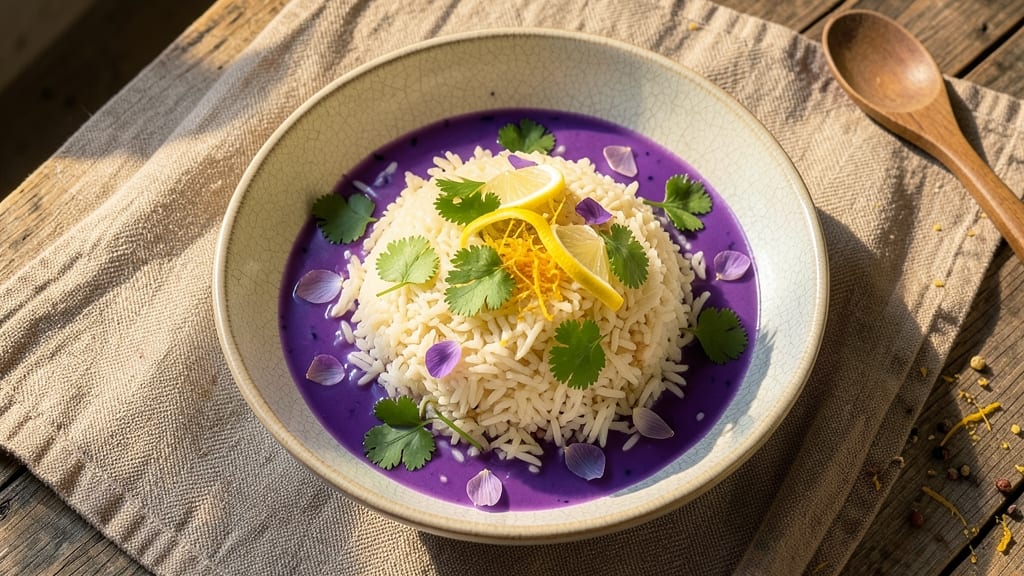
This butterfly pea flower rice recipe transforms ordinary grains into a vibrant, color-shifting masterpiece that’s as stunning as it is delicious.
The secret lies in the flower’s natural pH-sensitive dye, which shifts from deep purple to electric green when exposed to acid—creating a visual spectacle that’s perfect for special occasions or Instagram-worthy meals.
I developed this one-pot recipe after testing countless variations to ensure the rice stays tender while the colors remain vivid and true.
The dish is surprisingly simple: butterfly pea flowers steeped in hot water for a concentrated infusion, then combined with jasmine rice and a light coconut broth for depth. The result is a fragrant, slightly nutty rice with a dramatic color transformation when paired with citrus or vinegar-based dressings.
Garnish with fresh herbs, toasted coconut flakes, or a squeeze of lime to elevate both flavor and presentation—this isn’t just rice, it’s a culinary light show.
Ingredients for butterfly pea flower rice
Transform ordinary rice into a vibrant purple-green masterpiece with these carefully selected ingredients.
| Ingredient | Amount | Notes |
|---|---|---|
| Butterfly Pea Flowers 🌸 | 1 tbsp | Dried, high-quality for vibrant color |
| Jasmine Rice 🌾 | 1 cup | Uncooked, long-grain preferred |
| Light Coconut Milk 🥥 | 1 ½ cups | Full-fat for creaminess |
| Vegetable Broth 💧 | 1 ½ cups | Low-sodium for flavor balance |
| Lemon Juice 🍋 | 1 tbsp | Freshly squeezed for acidity |
| Fresh Cilantro 🌿 | ¼ cup | Chopped for garnish |
| Toasted Coconut Flakes 🥥 | ¼ cup | Unsweetened for texture |
| Extra-Virgin Olive Oil 🫒 | 1 tbsp | High-quality for richness |
| Garlic Cloves 🧄 | 2 cloves | Minced for aromatic depth |
| Fresh Lime 🍋 | 1 whole | Zested for color transformation |
| Sea Salt 🧂 | ½ tsp | Diamond Crystal preferred |
| Ground Black Pepper 🌶️ | ¼ tsp | Freshly ground for heat |
| Fresh Mint Leaves 🌿 | 0.1 cup | Optional, for freshness |
| White Vinegar 💧 | 1 tsp | For dramatic color change |
The butterfly pea flowers are the star—opt for high-quality dried flowers from specialty stores like World Spice Merchants or trusted online retailers. Their natural pH-sensitive dye creates the stunning color transformation. For the rice, jasmine rice from Asian markets delivers that fragrant, nutty base that complements the floral notes. Coconut milk should be full-fat for creaminess, and Thai Kitchen or Native Forest brands are excellent choices. The vegetable broth should be low-sodium to avoid overpowering the delicate flavors—Pacific Foods or Imagine brands are reliable options. Fresh garlic and herbs are non-negotiable; local farmers markets often have the freshest cilantro and mint.
No butterfly pea flowers? Blue spirulina powder at one-third the amount creates a similar deep blue hue, though the color shift won't be as dramatic. Substitute coconut milk with cashew cream for a neutral base, though the flavor profile will differ slightly. For the acid component, lemon juice or apple cider vinegar both work—just adjust the amount to taste. Fresh herbs can be swapped for dried at one-quarter the quantity, though they lack the vibrant freshness. The lime zest is crucial for the color transformation; Mexican limes from Latin markets have the highest zest yield. For a more intense purple base, steep the flowers in hot water for 5 minutes before adding to the rice.
Store dried butterfly pea flowers in an airtight container away from light for up to 12 months. Fresh herbs last 5-7 days wrapped in damp paper towels in the fridge. The cooked rice keeps well for 4 days refrigerated, though the color transformation is most dramatic when served fresh. For meal prep, store components separately—cook the rice without the lime or vinegar, then add acid just before serving. The color shift is immediate and best enjoyed within 30 minutes of acid exposure for maximum vibrancy.
Why You'll Love This Recipe
- Magic Color Shift: I swear, watching that rice turn from blue to purple with a squeeze of lemon is half the fun. It’s like a little science experiment your taste buds get to enjoy—no fancy gadgets, just a bowl and a little citrus.
- One-Pot Wonder: Jasmine rice, coconut milk, and broth? You’re basically doing the work for me. Toss everything in one pot, simmer, and forget about it while you chop veggies or stir-fry protein. Minimal chopping, zero stress.
- Leftover Hero: This rice stays ridiculously good for days—even better the next day, honestly. The flavors meld into this cozy, slightly sweet, herbal hug. Perfect for meal prep when you’d rather spend Sunday afternoon napping than cooking.
- Budget Brightener: Butterfly pea flowers might sound fancy, but they’re cheap as dirt in bulk—and they pack a punch. A tiny handful turns basic rice into something special without breaking the bank. Plus, coconut milk and broth stretch this into multiple meals for pennies.
Step-by-step instructions for butterfly pea flower rice
Transform simple ingredients into a visually stunning, flavorful dish with this precise method.
Bloom the Butterfly Pea Flowers
In a small bowl, combine the 1 tablespoon butterfly pea flowers with 1.5 cups light coconut milk. Let this mixture sit at room temperature for 15-20 minutes—you'll see the vibrant purple hues emerge as the flowers bloom. This infusion creates the signature color transformation that happens later.
While waiting, toast the 2 cloves garlic in a dry skillet over medium heat for 1-2 minutes until fragrant. Remove from heat immediately to prevent burning. The garlic will release its aromatic oils, which will infuse into the rice during cooking.
Prepare the Rice Base
Heat the 1 tablespoon extra-virgin olive oil in a medium saucepan over medium heat. Add the toasted garlic and sauté for 30 seconds until golden. Immediately add the 1 cup jasmine rice, stirring to coat each grain with the fragrant oil and garlic.
Pour in the bloomed butterfly pea flower mixture (purple coconut milk) and the 1.5 cups vegetable broth. Stir gently to combine, then bring to a gentle boil. Once boiling, reduce heat to low, cover tightly with a lid, and simmer for 15 minutes without lifting the lid. This creates a flavorful base while preventing the rice from sticking.
Enhance with Acid and Aromatics
After 15 minutes, remove the saucepan from heat and stir in the 1 tablespoon lemon juice and 1 teaspoon white vinegar. These acids will trigger the color transformation—watch as the purple rice begins to shift toward green. The acidity also brightens the coconut milk's natural sweetness.
Add the 0.5 teaspoon sea salt and 0.25 teaspoon ground black pepper, stirring well to distribute evenly. The salt enhances all flavors while the pepper adds subtle heat. If using, gently fold in the 0.1 cup fresh mint leaves at this stage—their freshness will complement the earthy rice.
Finalize with Garnishes
Transfer the rice to a serving dish and let it sit for 5 minutes to allow flavors to meld. The color transformation will continue during this resting period—you'll see the final vibrant green hue emerge as the acids fully react with the butterfly pea flowers.
Garnish with the 0.25 cup toasted coconut flakes and 0.25 cup fresh cilantro, then finish with zest from the 1 whole fresh lime. The lime zest adds a bright citrus note that cuts through the richness of the coconut milk. Serve immediately while the rice is warm and the colors are at their most dramatic.
Pro Tips For Making Butterfly Pea Flower Rice
- Bloom the Flowers First: Toss dried butterfly pea flowers into hot (not boiling) water for 3-4 minutes before adding to the rice—this jumpstarts the color change and prevents clumping. I learned this the hard way when I tossed them in cold water and ended up with a sad, muddy purple sludge instead of vibrant blue.
- Toast the Rice Lightly: Bloom the jasmine rice in a dry pot over medium heat for 1-2 minutes before adding liquids—just until you smell that nutty aroma. This step locks in flavor and prevents gummy rice, especially when using coconut milk (which can make rice stickier than usual).
- Simmer, Don’t Boil: Keep the coconut milk and broth at a gentle simmer after adding rice, not a rolling boil—this avoids breaking the rice and lets the flavors meld. I used to crank the heat, and the rice would turn mushy. Now I watch for tiny bubbles, not steam clouds.
- Acid Last, Not First: Stir in lemon juice only after the rice is fully cooked and off the heat—adding it too soon dulls the color and makes the dish taste flat. A splash at the end brightens the flavor and keeps that signature blue hue popping. (Yes, even if you’re impatient like me.)
Regional styles of butterfly pea flower rice
Thai-Inspired Version
In Thailand, butterfly pea flowers are called "bualoi" and often used in Thai coconut rice dishes. Swap the vegetable broth for 1.5 cups Thai coconut milk (like Aroy-D brand) and add 1 tsp palm sugar to the bloomed flower mixture before combining with rice.
Garnish with crushed peanuts and Thai basil instead of cilantro for an authentic touch. The palm sugar enhances the floral notes while keeping the dish balanced. 🌸
Japanese Matcha Fusion
For a Japanese-inspired twist, replace half the jasmine rice with short-grain sushi rice (½ cup). Add 1 tsp matcha powder to the bloomed butterfly pea flower mixture for an earthy, vibrant contrast.
Serve with pickled ginger and toasted sesame seeds on top. The matcha deepens the green hues when acid is added, creating a stunning two-tone effect. 🍵
Indian Turmeric Rice
Infuse the coconut milk with ½ tsp turmeric powder and 1-inch fresh ginger (grated) before blooming the flowers. Use basmati rice instead of jasmine and finish with toasted cumin seeds and fresh coriander.
The turmeric adds warmth while maintaining the color transformation. This version pairs beautifully with vegan chickpea curry. 🌶️
Mexican Citrus Twist
Boost the acidity by adding 1 tbsp lime juice directly to the bloomed flower mixture before cooking. Use long-grain white rice and finish with diced avocado, radish slices, and a sprinkle of tajín seasoning.
The lime intensifies the green shift while adding a tangy kick. Serve with grilled vegan shrimp for a fiesta-worthy dish. 🍋
Korean Kimchi Rice
For a spicy kick, stir 2 tbsp kimchi juice into the cooked rice after adding the acid. Use short-grain rice and top with gochujang drizzle, sesame seeds, and thinly sliced scallions.
The kimchi's acidity enhances the color transformation while adding depth. This version is perfect for vegan Korean BBQ nights. 🌶️
Mediterranean Herb Version
Replace the coconut milk with vegetable broth and add 1 sprig fresh rosemary and 2 sprigs thyme to the bloomed flower mixture. Use brown rice for a nuttier base and garnish with kalamata olives, feta cheese (or vegan feta), and lemon wedges.
The herbs complement the floral notes while keeping the dish light. 🌿
Nutrition facts
Frequently asked questions
Why does the rice change color from purple to green?
The butterfly pea flowers contain natural anthocyanins that react to pH levels. When exposed to acids like lemon juice or vinegar, the purple hue shifts to vibrant green—creating a stunning visual effect! This property makes it perfect for creative dishes where color transformation adds excitement.
Can I use fresh butterfly pea flowers instead of dried?
Fresh flowers work, but you'll need 3-4 times more by volume since they're less concentrated. Rinse them gently to remove dirt, then use the same blooming method with hot water or coconut milk. Dried flowers are more convenient and yield more vibrant results.
How do I make the color transformation more dramatic?
For maximum vibrancy, use high-quality dried flowers and steep them in hot (not boiling) water for 5 minutes before adding to the rice. Also, increase the acid—try 2 tbsp lemon juice instead of 1, or add a splash of white vinegar. The brighter the acid, the more intense the green shift!
What if I don't have coconut milk?
Use cashew cream (blend soaked cashews with water) for a neutral base, or swap for vegetable broth with a splash of cream. The flavor will be lighter, but the color transformation will still work. For extra richness, add 1 tbsp nutritional yeast to mimic coconut's umami depth.
Can I make this ahead of time?
Cook the rice without the acid (keep it purple), then store it in an airtight container for up to 3 days. When ready to serve, add lemon juice or vinegar—it'll shift to green immediately! For best results, add fresh garnishes right before eating to keep everything vibrant.