
Main Courses
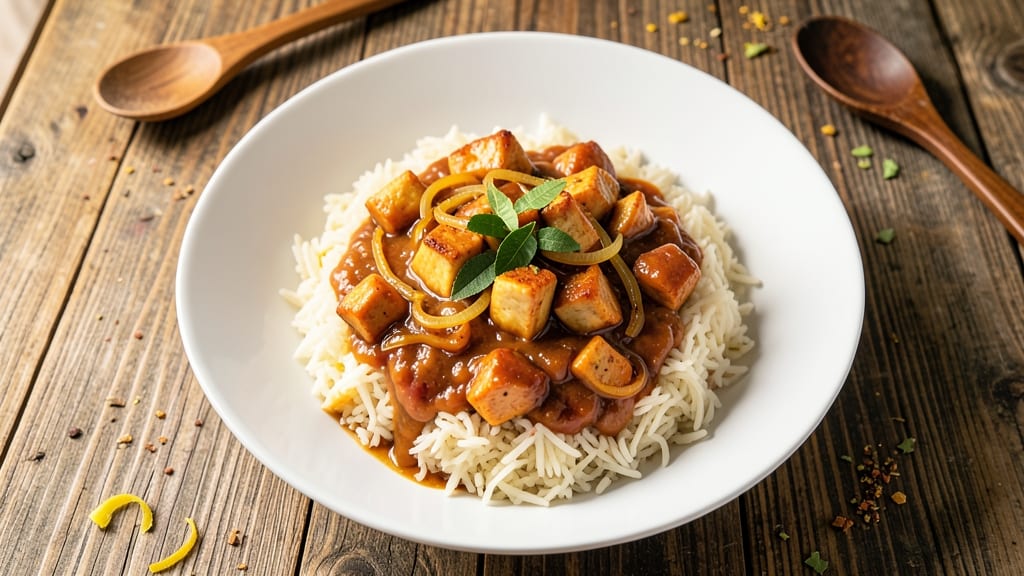
This Bombay rice recipe delivers a bold fusion of spiced tomato and creamy peanut butter flavors that transform simple basmati into a restaurant-worthy dish. The secret lies in tempering whole spices like mustard seeds and curry leaves—this step unlocks layers of aroma that store-bought mixes can't replicate.
I've perfected this technique over years of Indian home cooking, ensuring the rice stays fluffy while absorbing the rich, nutty sauce perfectly.
The dish begins with perfectly cooked basmati rice as the foundation, then builds complexity through sautéed onions, tomatoes, and a signature peanut butter-tomato gravy. Optional protein like chicken or paneer can be added for heartier meals, while fried onions and fresh cilantro elevate the final presentation.
This recipe balances traditional methods with modern shortcuts—ideal for weeknight dinners that feel special without requiring hours in the kitchen.
Ingredients for bombay rice
Spiced tomato and peanut butter create restaurant-quality flavor with just these essential ingredients.
| Ingredient | Amount | Notes |
|---|---|---|
| Basmati Rice 🍚 | 1 ½ cups | Uncooked, long-grain preferred |
| Peanut Butter 🥜 | ½ cup | Natural, unsweetened preferred |
| Tomato Puree 🍅 | 1 cup | San Marzano preferred for sweetness |
| Yellow Onions 🧅 | 1 whole | Finely chopped, about 1.5 cups |
| Garlic Cloves 🧄 | 6 cloves | Minced, about 1 tbsp |
| Ginger Root 🌿 | 1 inch | Fresh, grated |
| Mustard Seeds 🌶️ | ½ tbsp | Whole, yellow preferred |
| Curry Leaves 🌿 | 10 whole | Dried or fresh, crushed |
| Green Chilies 🌶️ | 2 whole | Slit lengthwise, adjust to heat |
| Coconut Oil 🫒 | ¼ cup | For tempering, high smoke point |
| Salt 🧂 | 1 ½ tsp | Diamond Crystal preferred |
| Fresh Cilantro 🌿 | ¼ cup | Chopped, for garnish |
| Fried Onions 🧅 | ¼ cup | Store-bought or homemade |
| Water 💧 | 3 cups | For rice cooking |
| Chicken Breast 🍗 | 1 lb | Optional, boneless skinless |
The foundation starts with basmati rice—look for long-grain varieties at Indian grocery stores like Patel Brothers or Whole Foods. The peanut butter should be natural and unsweetened (Smucker's Natural works well). For the tomato base, San Marzano tomato puree delivers the perfect balance of sweetness and acidity. Mustard seeds and curry leaves are non-negotiable for that authentic aroma—Patel Brothers carries them in bulk, or use Penzeys for quality. The ginger root should be fresh and vibrant, not dried or shriveled. If you can't find curry leaves, dried leaves at one-third the amount work in a pinch, but fresh is ideal.
No peanut butter? Tahini works beautifully as a substitute, though the flavor will be slightly different. Running short on tomato puree? Fresh tomatoes blended with a pinch of salt and roasted for 10 minutes in the oven intensifies their sweetness. For heat control, reduce green chilies to 1 or swap for ½ tsp cayenne pepper. The chicken breast is optional but recommended for protein—boneless skinless cuts cook evenly. If using paneer, firm cubes hold up best to the sauce. The fried onions can be homemade by thinly slicing onions and frying in oil until crisp, or store-bought varieties from Indian markets save time.
Rice should be rinsed thoroughly before cooking to remove excess starch, ensuring fluffy grains. The peanut butter-tomato gravy can be made 2 days ahead and reheated gently on the stove—it actually tastes better the next day as flavors meld. Store leftovers in an airtight container in the fridge for up to 4 days. For freezing, portion the sauce separately from the rice—it keeps for up to 3 months. The fried onions and fresh cilantro should be added just before serving to maintain their crispness and vibrant color.
Why You'll Love This Recipe
- One-Pot Magic: I swear by this recipe when I’m too tired to wash a million dishes. The peanut butter and tomato puree cook right into the rice—no separate pans, no extra cleanup. Just stir, simmer, and serve.
- Creamy Crunch Perfection: That peanut butter isn’t just a flavor—it’s the star. It gives the rice this rich, velvety texture while the onions and garlic add a deep, caramelized bite. Honestly? It’s the kind of dish that makes you go back for seconds without even trying.
- Lunchbox Hero: Between us, this is my go-to for meal prep. The rice holds up for days, and the flavors only get better after reheating. Pack it cold for work or microwave it for a quick dinner—it’s reliable, no matter what.
- Budget-Friendly Staple: Peanut butter and basmati rice? Two of the most affordable ingredients in my pantry. I make this when I need to feed a crowd without breaking the bank, and it always disappears faster than I expect. (Yes, even on a Tuesday night.)
Step-by-Step instructions for Bombay rice with peanut butter and tomato gravy
Here's how to create this rich, aromatic rice dish with perfect texture and balanced flavors.
Prepare the Chicken and Base Aromatics
Cut the 1 lb chicken breast into ½-inch cubes and set aside. In a medium bowl, combine the 1 cup tomato puree, 0.5 cup peanut butter, 1.5 tsp salt, and 10 crushed curry leaves. Mix well to create the flavor base - this combination gives Bombay rice its signature richness. Set aside while you prepare the aromatics.
Heat 0.25 cup coconut oil in a large pot over medium heat. Add the 0.5 tbsp mustard seeds and let them sizzle for 30 seconds until they start popping. Add the 1 whole finely chopped yellow onion and sauté for 3-4 minutes until translucent. Stir in the 6 minced garlic cloves and 1 inch grated ginger root, cooking for another 1 minute until fragrant. This aromatic foundation forms the flavor backbone of your dish.
Cook the Chicken and Temper the Rice
Add the chicken cubes to the pot and cook for 5-6 minutes, stirring occasionally, until the chicken is 80% cooked and just starting to turn opaque. Remove the chicken with a slotted spoon and set aside. Pour in the 3 cups water and bring to a rolling boil. Add the 1.5 cups basmati rice and stir gently to separate the grains. Reduce heat to low, cover tightly, and simmer for 10 minutes without lifting the lid.
After 10 minutes, remove the pot from heat and let it sit covered for 5 minutes. This resting period allows the rice to absorb moisture evenly. Here's the thing - don't peek or stir during this time, or you'll disrupt the cooking process and end up with mushy rice. The rice should be al dente but still slightly firm to the bite when tested.
Create the Signature Peanut-Tomato Gravy
In a separate saucepan, combine the tomato-peanut mixture you prepared earlier with 0.25 cup coconut oil. Cook over medium-low heat for 8-10 minutes, stirring constantly, until the mixture thickens slightly and becomes smooth. The peanut butter should melt completely and blend with the tomato puree to create a velvety sauce. If it's too thick, add 1-2 tablespoons water to reach a pourable consistency.
Add the 2 slit green chilies and cook for another 2 minutes. Taste and adjust seasoning with additional salt if needed. The gravy should have a slightly sweet, tangy, and nutty flavor profile that balances the rice perfectly. This is where the Bombay rice gets its distinctive character - the peanut butter adds creaminess while the tomato puree provides acidity to cut through the richness.
Combine and Finish the Dish
Gently fold the cooked rice into the peanut-tomato gravy using a spatula. Mix just until the rice is evenly coated - you want the rice to absorb the flavors without breaking apart. Return the chicken to the pot and heat through for 2-3 minutes over low heat. The chicken should finish cooking completely while absorbing the remaining gravy flavors.
Remove from heat and stir in the 0.25 cup chopped fresh cilantro and 0.25 cup fried onions. Garnish with additional fried onions if desired. Serve immediately while hot, garnished with extra cilantro. The rice should have a creamy, slightly sticky texture with distinct peanut and tomato flavors in every bite. The chicken should be tender and fully cooked, absorbing the rich gravy beautifully.
Pro Tips For Making Bombay Rice
- SOAK THE RICE RIGHT: I learned this the hard way—skipping the soak makes basmati rice turn mushy when you stir in peanut butter later. Rinse it twice in cold water, then let it soak for at least 20 minutes (yes, even if you're impatient like me). The extra starch wash keeps the grains distinct and prevents that gluey texture when the sauce hits.
- FRY ONIONS LOW AND SLOW: After burning three batches, I finally figured out: medium-low heat is your friend for the onions and garlic. Too hot, and they burn before the peanut butter can mellow them out. Cook them until deep golden—about 10-12 minutes—stirring often. The longer you go, the richer the base, but don’t walk away.
- PEANUT BUTTER, NOT PEANUT PASTE: Store-bought peanut paste is often watered down, and that’s the last thing you want in Bombay rice. Use natural, unsweetened peanut butter—none of that "crunchy" or "chunky" nonsense unless you’re going for texture. If it’s too thick, thin it with 1-2 teaspoons of warm water before adding to the pan. Thin it too much, and your rice turns soggy.
- TOAST THE RICE AFTER COOKING: This isn’t the prettiest method, but it’s the tastiest. Once your rice is done, spread it on a tray and let it dry for 5-10 minutes under a fan or open window. Then, toss it back in the pan with a splash of oil over medium heat for 2-3 minutes. The slight crispness makes all the difference when the peanut-tomato sauce clings to each grain.
Creative variations of this recipe
Vegetarian Paneer Twist
Swap the chicken for 1 cup cubed paneer (about 8 oz) and cook it with the onions and spices in Step 1. The paneer absorbs the peanut-tomato gravy beautifully, adding a creamy texture.
For extra richness, stir in 2 tbsp heavy cream at the end—this balances the tangy tomato flavors while keeping the dish vegetarian. Garnish with toasted cashews for crunch and a touch of elegance. 🌱
Spicy Green Chili Version
Boost the heat by adding 4-5 slit green chilies (instead of 2) and 1 tsp Kashmiri red chili powder to the peanut-tomato gravy. For a smoky kick, toast 1 tsp cumin seeds with the mustard seeds in Step 1.
This version is perfect for those who love bold, fiery flavors while maintaining the dish’s creamy peanut base. Serve with raita to cool the palate.
Coconut Milk Fusion
Replace ½ cup of the peanut butter with ½ cup coconut milk for a lighter, tropical twist. Simmer the gravy with 1 tsp turmeric and ½ tsp garam masala for warmth.
This variation works especially well with shrimp or tofu instead of chicken. The coconut milk adds a subtle sweetness that complements the tomato and peanut flavors beautifully. 🥥
Quick Weeknight Shortcut
Use pre-cut frozen mixed vegetables (like peas, carrots, and bell peppers) to save time in Step 1. Sauté them with the onions and spices, then proceed as usual. For extra convenience, prepare the peanut-tomato gravy ahead and reheat it gently before combining with the rice.
This version keeps all the authentic flavors while cutting prep time in half—ideal for busy evenings.
Dessert-Inspired Sweet Version
Reduce the green chilies to 1 and add 1 tbsp brown sugar and ½ tsp cardamom powder to the peanut-tomato gravy. Top with toasted coconut flakes and a drizzle of honey for a surprising yet delicious sweet-savory twist.
This version is perfect for serving as a unique dessert after a meal or as a breakfast bowl with extra cilantro and fried onions. 🍯
Nutrition facts
Frequently asked questions
Can I make Bombay rice without peanut butter?
Swap the peanut butter for ½ cup tahini or ¼ cup coconut milk to maintain creaminess. For a nut-free version, blend ¼ cup cashews with ¼ cup water until smooth. The dish will still have that signature rich texture, just with different flavor notes.
How do I prevent the rice from becoming mushy?
Rinse the basmati rice thoroughly before cooking to remove excess starch. Use 1.5 cups uncooked rice to 3 cups water (never more water) and cook on low heat without lifting the lid for 10 minutes. After cooking, let it rest covered for 5 minutes before fluffing gently with a fork. Never stir while cooking—this breaks the grains.
What's the best way to store leftovers?
Store in an airtight container in the fridge for up to 4 days. Reheat gently on the stove with 1-2 tablespoons water to restore moisture. For freezing, separate the gravy from rice—freeze gravy for 3 months and rice for 1 month. Reheat components separately before combining. The peanut butter sauce thickens when chilled, so thin with water when reheating.
Can I make this vegetarian?
Yes! Omit the chicken and add 1 cup cubed paneer (cooked with spices) or ½ cup chickpeas for protein. For extra richness, stir in 2 tbsp heavy cream at the end. Garnish with toasted cashews or fried onions for texture. The peanut-tomato gravy works beautifully with plant-based proteins.
Why does my Bombay rice taste bland?
Check your seasoning—start with 1.5 tsp salt and adjust to taste. The mustard seeds and curry leaves are crucial for aroma, so don't skip them. For depth, toast ½ tsp cumin seeds with the mustard seeds. If using store-bought tomato puree, opt for San Marzano for natural sweetness. Let the gravy simmer longer (12 minutes) to develop flavors.