
Main Courses
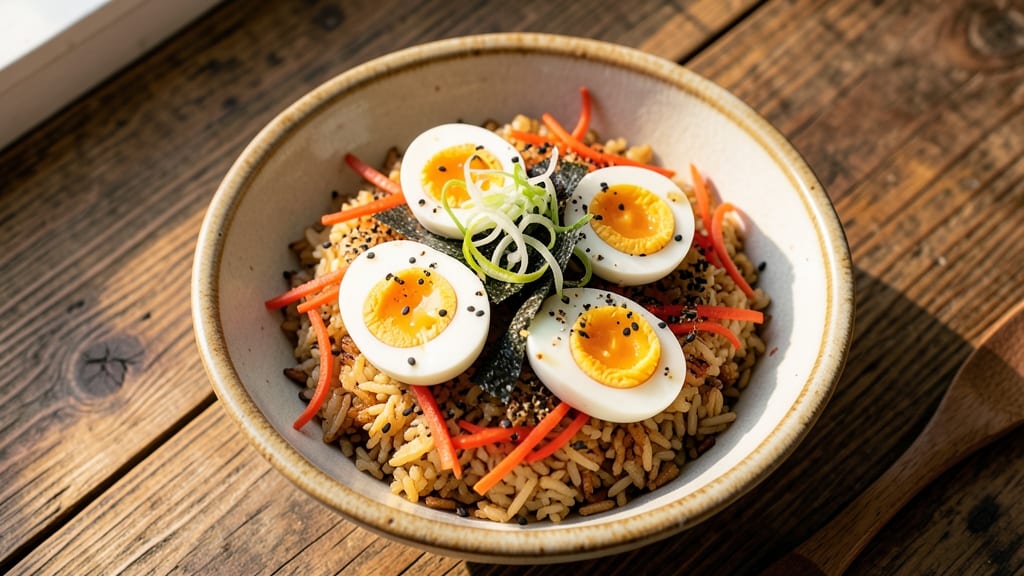
This bonsai fried rice recipe transforms a classic dish into a stunning centerpiece with crispy edges and fluffy hearts, plated like miniature Japanese gardens.
The secret lies in high-heat wok tossing to achieve that signature texture—crispy around the edges, tender in the center—while creative plating techniques elevate it from ordinary to extraordinary. Japanese presentation meets bold flavors in every bite.
What sets this recipe apart is the artistic plating inspired by bonsai trees, using edible "soil" like black sesame paste or furikake and "trees" made from pickled ginger, scallions, or nori.
The dish maintains its traditional Japanese soul while offering modern fusion flexibility—pair it with miso soup or edamame for a complete meal. Achieving that perfect crispy texture requires precise timing and technique, but the result is worth every second.
Ingredients for bonsai fried rice
Japanese-inspired ingredients that balance bold flavors with artistic presentation for this crispy-edged fried rice.
| Ingredient | Amount | Notes |
|---|---|---|
| Day-Old Cooked White Rice 🍚 | 4 cups | Cold or room temperature preferred |
| Large Eggs 🥚 | 4 whole | Freshly beaten for crispy coating |
| Scallions 🧅 | ½ cup | Green and white parts, thinly sliced |
| Carrots 🥕 | 1 cup | Finely diced, small pieces |
| Black Sesame Seeds 🥜 | 2 tbsp | Toasted for nutty flavor |
| Nori Sheets 🍣 | 4 whole | Thinly sliced for garnish |
| Pickled Ginger 🍋 | ¼ cup | Thinly sliced for garnish |
| Vegetable Oil 🫒 | ½ cup | High smoke point preferred |
| Soy Sauce 🍶 | ¼ cup | Japanese style preferred |
| Sesame Oil 🫒 | 1 tbsp | Toasted sesame oil |
| Furikake Seasoning 🌶️ | 2 tbsp | For edible 'soil' plating |
| Garlic Cloves 🧄 | 4 cloves | Minced for aromatic base |
| Salt 🧂 | 1 tsp | Diamond Crystal preferred |
| White Pepper 🌶️ | ½ tsp | Freshly ground for subtle heat |
The rice is non-negotiable—day-old, preferably jasmine or short-grain, gives that signature cling. Japanese markets carry the best quality rice for this dish, but any sushi rice from the grocery store works. For the scallions, green onion is fine, but the white parts add subtle sweetness. Carrots should be finely diced—no bigger than 1/4-inch pieces—to cook evenly and mimic the texture of bonsai 'soil'. Toast your black sesame seeds in a dry pan for 2-3 minutes until fragrant; this step adds depth that pre-toasted seeds can't match. Nori sheets should be the thin, crisp variety—avoid thick sheets meant for sushi rolls.
No furikake? Mix 1 tbsp toasted sesame seeds, 1 tsp sugar, and 1/2 tsp salt for a quick substitute. Running short on pickled ginger? Thinly sliced cucumber with a pinch of salt mimics the color and slight tang. For the soy sauce, Japanese brands like Kikkoman or Tamari have cleaner flavors than American-style soy sauce. The sesame oil is where flavor explodes—use 100% pure toasted sesame oil, not the light variety. If you can't find it, regular sesame oil at half the amount works in a pinch, but the aroma will be milder. The garlic should be minced, not pressed—this keeps the pieces intact for even cooking.
Rice stays fresh for 3 days in the fridge, but it's best used within 24 hours for optimal texture. Store sesame seeds and furikake in airtight containers away from light to preserve their flavor. Nori sheets keep for 6 months in a cool, dry place, but once opened, use within 2 weeks. For the pickled ginger, refrigerate after opening—it lasts about 2 weeks. Prep garnishes ahead: slice scallions, dice carrots, and toast seeds. This dish reheats beautifully—just 20 seconds in the microwave with a splash of water to restore crispiness.
Why You'll Love This Recipe
- Zero-Waste Magic: I swear by using day-old rice—it’s the secret to that perfect texture. No soggy bits, no fuss, just golden grains that cling together like a dream. Honestly, if you’ve got leftover rice, this recipe turns it into something worth keeping around.
- Umami Crunch: That first crack of the egg into the wok, the sesame seeds toasted until they smell like a bakery—it’s a flavor party in your mouth. The carrots add a sweet bite, and the scallions? They finish it with a bright, fresh punch. Between us, the black sesame seeds are the star—they make it taste like you actually put effort in.
- Lunchbox Hero: Pack this for work or school and watch it disappear. Cold or reheated, it’s still solid—just toss in a sprinkle of sesame seeds before serving. My kid brings it to soccer practice, and the coach always asks for seconds. (Yes, even on a Tuesday night.)
- Budget Win: Eggs, rice, scallions—this feeds four for under $5. No fancy ingredients, no last-minute grocery runs. I’ll be real: it’s the kind of dish that makes you question why you ever order takeout. Plus, the leftovers? They’re just as good the next day, if not better.
Step-by-step instructions for wok-tossed crispy edges and fluffy hearts
Master this technique for restaurant-quality texture—crispy edges with perfectly fluffy centers.
Prepare the Egg Coating for Crispy Edges
Crack the 4 whole large eggs into a bowl and beat them vigorously with a fork until the yolks and whites are fully combined. Add the 1 tsp salt and 0.5 tsp white pepper to the eggs, mixing well to distribute evenly. This seasoning ensures each bite carries the signature umami and subtle heat of the dish.
Here's the thing—freshly beaten eggs create a delicate, crispy coating that seals the rice while keeping the interior fluffy. I like to use room-temperature eggs for better emulsification, but if they're cold, let them sit for 10 minutes before using. The goal is a smooth, velvety mixture without any streaks of white or yellow.
Toast the Sesame Seeds and Prep Garnishes
Heat a dry skillet over medium-low heat and add the 2 tbsp black sesame seeds. Toast them for 2-3 minutes, stirring constantly, until they turn a deeper golden brown and release their nutty aroma. This step is crucial—it intensifies their flavor and prevents them from being raw in the final dish.
While the seeds toast, thinly slice the 4 whole nori sheets into ¼-inch strips using a sharp knife. Also, slice the 0.25 cup pickled ginger into matchsticks and set both aside. The nori adds a delicate seaweed crunch, while the pickled ginger provides a bright, tangy contrast to the rich fried rice. Keep these garnishes separate until the very end to maintain their texture.
Build the Aromatic Base in High Heat
Heat 0.5 cup vegetable oil in a wok or large skillet over high heat until it shimmers. Add the 4 minced garlic cloves and stir for 30 seconds until fragrant—you should smell a sweet, pungent aroma without any burning. Immediately add the 0.5 cup scallions and 1 cup finely diced carrots, tossing for 1-2 minutes until the vegetables soften slightly but retain their color.
This high-heat step develops the Maillard reaction, creating deep flavor before the rice even hits the pan. If the garlic starts to brown too quickly, reduce the heat slightly, but don't let it burn—it should be golden, not black. The carrots should soften just enough to become tender-crisp, not mushy.
Cook the Rice with Precision Timing
Push the vegetable mixture to one side of the wok and add the beaten eggs. Let them sit undisturbed for 10-15 seconds until they begin to set at the edges, then gently scramble with a spatula, breaking them into soft curds. Once mostly cooked through, add the 4 cups day-old cooked white rice and toss vigorously to coat every grain in the egg mixture.
Now add the 0.25 cup soy sauce and 1 tbsp sesame oil, tossing continuously for 2-3 minutes until the rice is evenly coated and begins to develop crispy edges. The key is constant, rapid movement—this prevents the rice from sticking and ensures those coveted crispy edges while keeping the centers fluffy. If the rice seems dry, add 1-2 tablespoons of water to maintain moisture.
Finish with Furikake and Garnish for Presentation
Remove the wok from heat and immediately sprinkle the 2 tbsp furikake seasoning over the rice, tossing gently to distribute evenly. This step adds the signature "edible soil" plating effect and boosts umami flavor. Let the rice sit for 1 minute to absorb the seasoning, then transfer it to serving plates.
Top each serving with the toasted black sesame seeds, nori strips, and pickled ginger for color contrast and texture. The furikake should create a light, speckled pattern resembling soil, while the nori and ginger add vibrant accents. Serve immediately while the edges are still crispy—this dish doesn't wait.
Pro Tips For Making Bonsai Fried Rice
- CHOP CARROTS SMALLER THAN YOU THINK: I used to slice carrots into ¼-inch pieces—until my fried rice turned into a mushy, orange sludge. For this recipe, dice them into ⅛-inch cubes or even finer if you’re impatient (yes, even if you’re impatient like me). They’ll soften fast in the wok, but the texture stays crisp enough to cut through the rice without gumming up the dish.
- SCRAMBLE EGGS IN A SEPARATE PAN: Cooking eggs directly in the rice pan is a rookie move—you’ll end up with a greasy, uneven mess. Beat the eggs in a bowl first, then scramble them in a nonstick or well-seasoned pan over medium heat until just set. Slide them into the rice at the very end so they stay fluffy, not rubbery.
- STOP WHEN RICE LOOKS DRY: The moment your rice starts to pull away from the pan in dry clumps, it’s done—don’t wait for it to look "cooked" in the traditional sense. Bonsai fried rice relies on that slight dryness to create texture. Toss in a splash of water or soy sauce after removing from heat if it’s too stiff, but resist overcooking.
- TOAST SESAME SEEDS FIRST: Skip the raw seeds—toss them in a dry pan over low heat for 30 seconds until they smell nutty and fragrant. Sprinkle them over the finished rice while it’s still hot; this adds depth without bitterness. (Pro move: Toast them in the same pan you used for the eggs to save cleanup.)
Wine and beer pairings for this recipe
Japanese Sake Pairings
For this delicate, artistically plated dish, I reach for a crisp, dry junmai ginjo sake with its clean finish and subtle floral notes. A chilled Daiginjo from Niigata—like Hakkaisan's "Daiginjo"—elevates the dish's umami depth while its bright acidity cuts through the richness.
Serve at 45°F to preserve its delicate aromas. 🍶
Light Lager Complements
A crisp Japanese lager like Asahi Super Dry or Sapporo Premium works beautifully for those who prefer beer. The subtle malt sweetness and light hop bitterness balance the fried rice's savory-sesame flavors without overpowering its delicate presentation. Keep it well-chilled at 38°F to highlight its crispness.
Umami-Inspired Wine
For wine lovers, a dry Riesling with its citrus and mineral notes—like Dr. Loosen "Blue Slate"—pairs surprisingly well. The slight tartness complements the furikake's umami, while its crisp acidity refreshes the palate between bites. Serve slightly chilled at 50°F to enhance its aromatic complexity.
Craft Beer Fusion
Looking for something bolder? A witbier like Stella Artois Wit brings citrusy coriander and peppery notes that mirror the pickled ginger garnish. The effervescence cleanses the palate, making each bite of crispy-edged rice feel fresh. For a local twist, try a Belgian-style saison with its earthy, spicy character.
Non-Alcoholic Options
Don't overlook sparkling yuzu soda—its bright citrus and effervescence mirror the dish's visual appeal. For a more traditional approach, genmaicha tea (green tea with roasted brown rice) complements the sesame and furikake flavors without alcohol. Both options keep the meal light and refreshing. 💫
Nutrition facts
Frequently asked questions
Why does my fried rice turn out mushy instead of crispy?
Mushy fried rice usually means the rice was too fresh or didn't get enough heat. Always use day-old rice—it's drier and holds its shape better. For crispy edges, cook over high heat and toss constantly for 2-3 minutes until the edges develop a golden crust. If needed, add just 1-2 tablespoons of water to prevent sticking, but avoid over-moistening.
Can I make this recipe with brown rice or quinoa?
While possible, neither works as well as short-grain white rice. Brown rice stays too firm and quinoa lacks the necessary stickiness for that signature texture. For a healthier twist, try half white rice and half jasmine rice—it keeps the crispy edges while adding a subtle nutty flavor. Always use day-old rice for best results.
How do I achieve the bonsai-style plating?
The key is using furikake as edible soil and arranging garnishes like miniature trees. Sprinkle furikake lightly over the rice, then use a spoon to create a speckled pattern resembling soil. For "trees," arrange nori strips vertically like trunks and place pickled ginger matchsticks on top as foliage. Add a few toasted black sesame seeds for texture contrast.
What's the best way to reheat leftovers?
Reheat in a dry skillet over medium heat for 2-3 minutes, stirring constantly to restore crispiness. Avoid microwaving—it makes the rice soggy. For extra crunch, add 1 teaspoon of sesame oil while reheating. Store leftovers in an airtight container for up to 2 days in the fridge.
Can I substitute furikake with something else?
Yes! Mix 1 tbsp toasted sesame seeds, 1 tsp sugar, and ½ tsp salt for a quick substitute. For extra umami, add ½ tsp fish sauce or soy sauce powder. The texture won't be identical, but it'll still create that "soil" effect. Toast the sesame seeds first to deepen their flavor—this step is non-negotiable for best results!