
Side Dishes
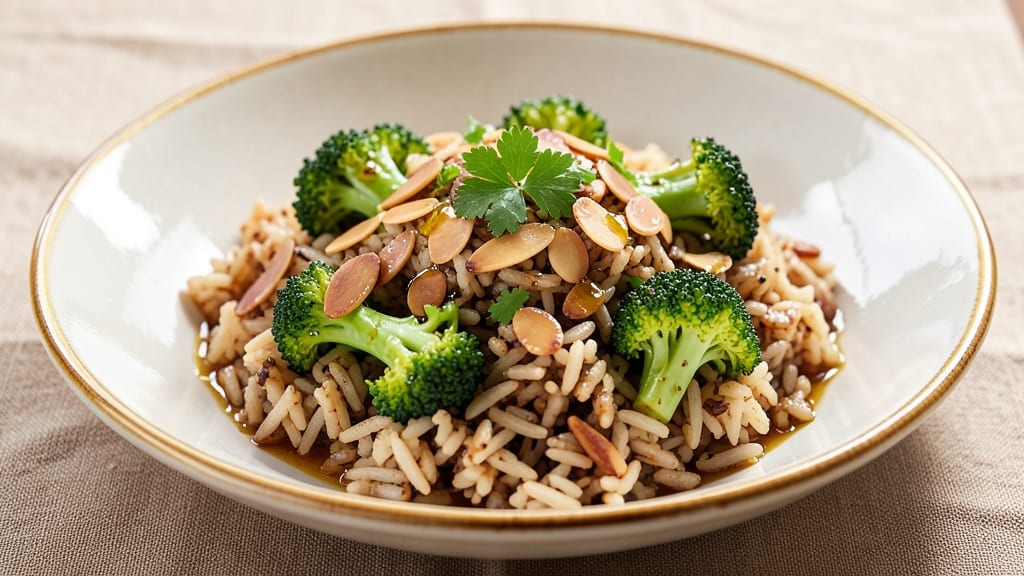
This broccoli rice pilaf delivers nutty, toasted grain bites with herb-kissed crisp—perfect for transforming simple rice into a flavorful vegetarian main or side. The secret starts with toasting the rice until golden, unlocking deep, toasty notes that elevate every bite.
Fresh broccoli adds vibrant texture, while aromatic herbs and warm spices create layers of flavor that stay balanced and bright.
With a 30-minute cook time and just 8 simple ingredients, this pilaf is foolproof yet impressive enough for dinner parties. The rice absorbs rich broth for extra depth, while crisp-tender broccoli and toasted nuts add satisfying texture.
Serve alongside grilled chicken, roasted vegetables, or as a standalone vegetarian dish—it’s versatile, nourishing, and packed with restaurant-quality flavor.
Ingredients for broccoli rice pilaf
Eight ingredients transform ordinary rice into restaurant-quality pilaf with toasted nutty depth and vibrant herb brightness.
| Ingredient | Amount | Notes |
|---|---|---|
| Long-Grain White Rice 🍚 | 1 ½ cups | Uncooked, rinsed thoroughly |
| Vegetable Broth 💧 | 2 ½ cups | Low-sodium preferred |
| Fresh Broccoli Florets 🥦 | 4 cups | Medium stems, cut into bite-sized pieces |
| Extra-Virgin Olive Oil 🫒 | ¼ cup | High-quality, fruity |
| Toasted Slivered Almonds 🥜 | ½ cup | Skin-on preferred for texture |
| Fresh Parsley Leaves 🌿 | ¼ cup | Chopped, flat-leaf preferred |
| Fresh Dill Weeds 🌿 | 2 tbsp | Finely chopped, stems removed |
| Garlic Cloves 🧄 | 3 cloves | Minced, fresh preferred |
| Ground Cumin 🌶️ | ½ tsp | Freshly toasted for depth |
| Diamond Crystal Kosher Salt 🧂 | 1 tsp | Adjust to taste |
| Fresh Lemon Juice 🍋 | 1 tbsp | From organic lemons |
The rice is the foundation—jasmine or basmati works best for its distinct aroma and texture. Toast it in olive oil until golden before adding liquid, which unlocks its nutty potential. For broth, Pacific Foods or Imagine low-sodium versions are ideal—they won’t overpower delicate flavors. Broccoli should be bright green and firm, with stems cut into even pieces for consistent cooking. If using pre-cut florets, trim any rubbery stems yourself. Trader Joe’s often carries perfect broccoli crowns at reasonable prices, while Whole Foods bulk sections offer organic options for a premium touch.
No fresh dill? Dried dill at one-third the amount works, but fresh is ideal for that bright, citrusy note. Substituting almonds? Pecans or walnuts add richness, though texture will vary slightly. For extra depth without nuts, toasted pumpkin seeds provide a similar crunch. The garlic can be roasted for a sweeter flavor—simply wrap whole cloves in foil and bake at 400°F for 10 minutes. Lemon juice is critical for brightness; if you prefer less acidity, reduce to 1 teaspoon or omit entirely. For a gluten-free version, ensure your broth and any added spices are certified gluten-free.
Rice reheats beautifully—simply cover with a damp paper towel and microwave for 2 minutes. Store leftovers in an airtight container for up to 4 days in the refrigerator, though flavor peaks within 2 days. For longer storage, freeze portions for up to 3 months. The broccoli will soften upon reheating, so it’s best enjoyed fresh or lightly warmed. To maintain crispness, add fresh herbs and a drizzle of olive oil just before serving. This pilaf also freezes well for meal prep—portion into individual containers for grab-and-go lunches.
Why You'll Love This Recipe
- One-Pan Magic: I swear by this recipe because it lives entirely in one skillet—no clunky rice cooker, no extra bowls. Toss in the rice, broth, and broccoli florets, then let them steam together while you chop the almonds. Minimal cleanup, maximum satisfaction.
- Crunchy-Creamy Balance: That toasted almond crunch on top? It’s the secret weapon. The rice stays tender but holds its shape, the broccoli gets just crisp-tender, and the olive oil infuses everything with a subtle richness. Honestly, it’s the kind of dish where every bite feels intentional.
- Lunchbox Hero: Between us, this is my go-to for meal prep because it reheats like a dream—no soggy rice here. Pack it in jars for work lunches, or serve it cold in the summer. The almonds stay crisp even after a day, and the flavors only get better with time.
- Budget Brightener: Fresh broccoli and rice won’t break the bank, and a splash of olive oil stretches the flavor without costing much. I’ll be real: this feeds four for under $10, and the leftovers? Even better the next day. It’s my reliable, no-fuss answer to a filling, flavorful meal.
Step-by-step instructions for broccoli rice pilaf
This method delivers perfectly toasted grains with vibrant broccoli and nutty almond crunch.
Toast the Rice and Build Aromatics
Heat the 0.25 cup extra-virgin olive oil in a large skillet over medium-high heat. Add the 1.5 cups long-grain white rice and toast, stirring constantly, for 3-4 minutes until the grains turn a pale golden color and become translucent at the edges. This step develops the nutty flavor and prevents mushy rice.
Reduce heat to medium and add the 3 cloves minced garlic and 0.5 teaspoon ground cumin. Cook for 30 seconds until fragrant—you should smell the garlic's sweetness and the cumin's earthy warmth. Be careful not to let the garlic brown, as it can turn bitter quickly. This aromatic base forms the flavor foundation for the entire dish.
Parboil the Broccoli and Deglaze
Increase heat to high and add 2 cups vegetable broth to the skillet. Stir well to deglaze the pan, scraping up any browned bits that contain concentrated flavor. Bring to a gentle boil, then add the 4 cups fresh broccoli florets. Reduce heat to medium-low and simmer for 4-5 minutes until the broccoli is bright green and just tender—it should still have a slight bite when pierced with a fork.
Remove the broccoli with a slotted spoon and set aside. The remaining liquid in the pan will be used to cook the rice to perfect doneness. This partial cooking of the broccoli ensures it remains vibrant and crisp-tender rather than turning into a mushy green mass.
Cook the Rice to Al Dente Perfection
Return the skillet to medium heat and add the remaining 0.5 cups vegetable broth. Stir in the 1 teaspoon diamond crystal kosher salt and bring to a gentle simmer. Cover the skillet with a tight-fitting lid and reduce heat to low. Cook for 12-15 minutes without peeking, allowing the rice to absorb the liquid and steam evenly. You'll know it's done when the grains are tender but still have a slight resistance when pressed between your fingers.
If the rice appears dry before the time is up, add 1-2 tablespoons water through a hole in the lid. The rice should be moist but not saucy—each grain should be distinct with a firm bite. This texture is crucial for pilaf's satisfying mouthfeel.
Finish with Herbs and Bright Acid
Remove the skillet from heat and stir in the 0.5 cup toasted slivered almonds, 0.25 cup chopped fresh parsley leaves, and 2 tablespoons finely chopped fresh dill weeds. The herbs should be evenly distributed throughout the rice, adding freshness and visual contrast to the golden grains. Let the mixture sit for 2 minutes to allow the flavors to meld.
Finish with the 1 tablespoon fresh lemon juice, tossing gently to brighten the dish. The acidity cuts through the richness of the almonds and olive oil, balancing the earthy cumin and garlic. Taste and adjust seasoning with additional salt if needed—this is where the pilaf's harmony comes together.
Rest and Serve with Crisp Texture
Transfer the pilaf to a serving dish and let it rest for 5 minutes before serving. This resting period allows the flavors to fully develop and the rice to redistribute any residual moisture. The dish should be served immediately while the broccoli maintains its vibrant color and the almonds retain their satisfying crunch.
For the best presentation, fluff the rice gently with a fork before serving. Each bite should deliver the toasted rice's nutty depth, the broccoli's crisp-tender texture, and the almonds' satisfying crunch, all unified by the herb-kissed lemon finish.
Pro Tips For Making Broccoli Rice Pilaf
- TOAST THE ALMONDS FIRST: I learned this the hard way—adding raw almonds to the pilaf makes them soggy and bland. Toss them in a dry pan over medium heat for 3-4 minutes until they’re golden and fragrant, then set aside. That crunch and nutty flavor? Non-negotiable.
- BLANCH THE BROCCOLI: Skip the raw broccoli—it’ll turn mushy and dull the dish. Plunge florets in boiling water for 30 seconds, then shock in ice water. This keeps them bright and tender, and they’ll absorb the broth’s flavor like a sponge instead of releasing bitterness.
- USE TWO BROTH BATCHES: Start with 1 cup of broth to cook the rice, then add another ½ cup when the grains are fluffy. This prevents drying out while keeping the texture light. (Yes, even if you’re impatient like me—trust the process.)
- STIR ONCE, GENTLY: After adding broth, resist the urge to poke or stir the rice constantly. One light fold at the start, then let it steam undisturbed for 15 minutes. Over-mixing turns rice gluey—this method guarantees separate, fluffy grains every time.
Common mistakes when making perfect results
Skipping the Toast
Skipping the rice-toasting step is the most common mistake—and it’s a game-changer. Toasting the rice in olive oil for 3-4 minutes until golden unlocks deep, nutty flavors that transform bland rice into something rich and complex.
Without toasting, your pilaf will taste flat and lack the satisfying texture that makes it special. I’ve seen beginners rush this step, but trust me—this is where the magic happens. 🔥
Overcooking the Broccoli
Broccoli that’s overcooked turns into a sad, mushy green blob. The goal is crisp-tender florets that stay bright and hold their shape. Simmer for only 4-5 minutes in the broth, then remove immediately.
If you’re unsure, taste a small piece—it should have a slight bite. Overcooked broccoli ruins the dish’s texture contrast, which is key to the pilaf’s appeal.
Peeking Under the Lid
Peeking at the rice while it cooks might seem harmless, but it releases steam and disrupts the cooking process. Once you cover the rice with the lid and reduce heat to low, resist the urge to check on it for 12-15 minutes.
Every time you lift the lid, moisture escapes, and the rice can end up unevenly cooked or dry. Set a timer and walk away—this is where patience pays off.
Using the Wrong Broth
Low-sodium vegetable broth is non-negotiable here. Regular broth or high-sodium versions will overpower the delicate flavors of the rice, herbs, and broccoli. Brands like Pacific Foods or Imagine are my go-tos because they’re flavorful but not salty.
If you’re using homemade broth, season it lightly—this pilaf is all about balance, and too much salt will make the dish taste harsh.
Ignoring the Resting Time
Rushing to serve the pilaf right after cooking is a big mistake. Letting it rest for 5 minutes allows the flavors to meld and the rice to redistribute moisture evenly.
Skipping this step can leave you with dry, uneven grains. Think of it like resting meat—it’s a crucial final touch that makes all the difference in texture and taste. ✨
Overlooking the Lemon Juice
The lemon juice isn’t just for flavor—it’s the secret weapon that brightens the dish. Adding 1 tablespoon at the end cuts through the richness of the almonds and olive oil, balancing the earthy cumin and garlic.
Without it, the pilaf can taste heavy. If you’re worried about acidity, start with ½ teaspoon and adjust to taste, but don’t skip it entirely.
Nutrition facts
Frequently asked questions
Can I substitute jasmine rice for long-grain white rice?
Jasmine rice works beautifully and adds a fragrant floral note that complements the broccoli and herbs. Use the same 1.5 cups uncooked measurement, but note it may absorb liquid slightly faster. Toast it for 2-3 minutes instead of 3-4 to prevent burning, as jasmine rice has a thinner hull.
How do I make this pilaf gluten-free?
Use a certified gluten-free vegetable broth like Pacific Foods or Imagine GF line, and check your cumin and salt for gluten-free certification. The toasted almonds and rice are naturally gluten-free, so no other substitutions are needed. Always verify labels, as cross-contamination can occur in shared facilities.
What if I don't have fresh dill?
Dried dill works in a pinch—use ⅓ teaspoon instead of 2 tablespoons fresh, but the flavor won't be as bright. For a similar herb profile, try 1 tablespoon fresh thyme or 1 teaspoon dried oregano. The lemon juice will help balance any earthy notes from dried herbs.
Can I make this ahead of time for meal prep?
Yes! Store leftovers in an airtight container for up to 4 days in the fridge, but reheat gently to preserve texture. For best results, add fresh herbs and a drizzle of olive oil just before serving. The broccoli will soften further upon reheating, so it's best enjoyed fresh or lightly warmed.
Why does my pilaf taste bland?
Most likely, you skipped toasting the rice or used high-sodium broth. The toasting step is crucial for nutty flavor—don't rush it! Also ensure you're using fresh herbs (not dried) and finish with lemon juice. If needed, add a pinch of smoked paprika or extra cumin for depth after cooking.