
Main Courses
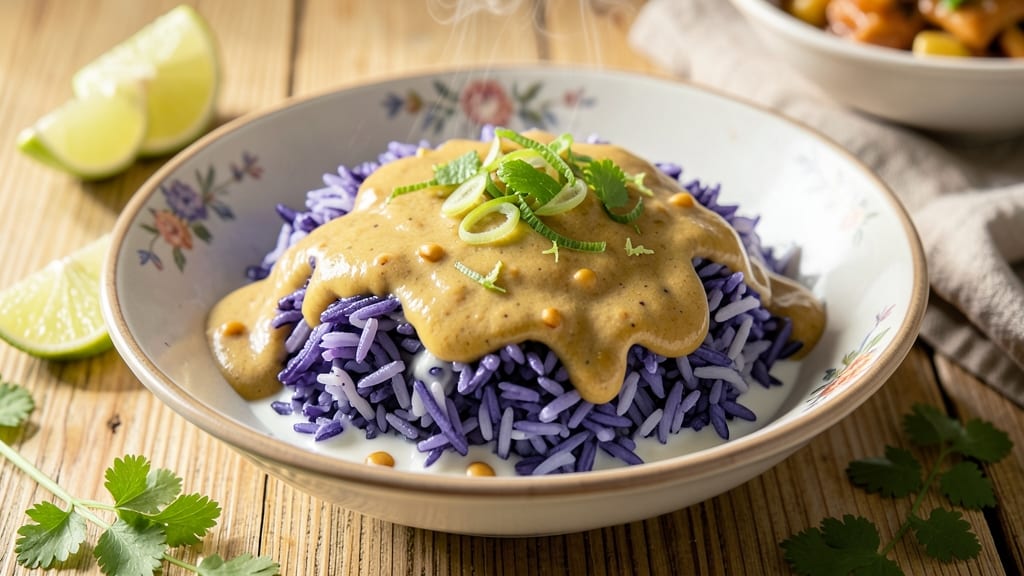
This butterfly pea rice recipe transforms ordinary rice into a vibrant, color-changing masterpiece with just a few simple ingredients.
The secret lies in dried butterfly pea flowers, which infuse the rice with an earthy, floral flavor and shift from deep blue to purple as you cook—creating a stunning visual effect that’s as impressive as it is delicious.
Perfect for vegan meals, this one-pot dish is quick, adaptable, and packed with creative potential.
The magic happens when the flowers steep in warm water before cooking, releasing their natural indigo hues and subtle herbal notes. Pair it with coconut milk for richness, turmeric for warmth, or lime for brightness—each variation delivers a bold, Instagram-worthy dish that’s equally satisfying on the plate.
Whether served as a side, salad base, or even a dessert with sweet coconut milk, this recipe redefines what rice can be. Ready to cook?
Ingredients for butterfly pea rice
Transform ordinary rice into a vibrant, color-changing masterpiece with these 13 essential ingredients.
| Ingredient | Amount | Notes |
|---|---|---|
| Jasmine Rice 🌾 | 1 ½ cups | Uncooked, long-grain preferred |
| Dried Butterfly Pea Flowers 🌺 | 1 tbsp | Organic, culinary-grade preferred |
| Full-Fat Coconut Milk 🥥 | 13 ½ oz | Canned, no additives |
| Vegetable Broth 💧 | 2 cups | Low-sodium, homemade or store-bought |
| Fresh Lime Juice 🍋 | 2 tbsp | Freshly squeezed |
| Turmeric Powder 🌿 | ½ tsp | Organic, vibrant color |
| Garlic Cloves 🧄 | 3 cloves | Minced for aroma |
| Extra-Virgin Olive Oil 🫒 | 2 tbsp | Cold-pressed, fruity |
| Sea Salt 🧂 | 1 tsp | Fine grain, Diamond Crystal preferred |
| Fresh Cilantro 🌿 | ¼ cup | Chopped, stems removed |
| Coconut Sugar 🍯 | 1 tbsp | Or sub maple syrup |
| Red Curry Paste 🌶️ | 1 tbsp | Vegan, no fish sauce |
| Toasted Cashews 🥜 | ¼ cup | Chopped, for garnish |
The butterfly pea flowers are the star—organic, culinary-grade is key for the best flavor and color transformation. Frontier Co-op and Mountain Rose Herbs sell them online, or check specialty Asian markets for dried packs. The flowers steep in warm water before cooking, releasing their natural indigo hues. For maximum vibrancy, use freshly opened flowers; once exposed to light or air, they'll gradually fade. Jasmine rice is ideal here—its delicate texture lets the floral notes shine without overpowering. If you can't find jasmine, brown rice or basmati work in a pinch, though the texture will differ slightly.
No coconut milk? Full-fat oat milk or cashew cream delivers similar richness, though coconut's unique flavor is irreplaceable. Short on lime? Lemon juice at half the amount works, but lime's brightness is perfect for balancing the earthy butterfly pea. The red curry paste adds depth—Maesri or Thai Kitchen brands are vegan-friendly and widely available. For a sweeter touch, swap coconut sugar for maple syrup or agave nectar. Fresh cilantro is ideal, but dried cilantro at one-third the amount will work if you're in a bind. The garlic and turmeric are non-negotiable—they're the flavor anchors that let the butterfly pea's floral notes truly shine.
This rice keeps beautifully—3-4 days in an airtight container in the fridge, or 3 months frozen for long-term storage. The color will fade over time, especially when exposed to light, but the flavor remains rich. For best results, store in a dark glass jar and seal tightly. Reheat gently with a splash of water or broth to restore moisture. The toasted cashews and cilantro are best added fresh after reheating—they wilt when stored with the rice. Double the batch if you're serving a crowd; the vibrant hues make it perfect for holiday tables or Instagram-worthy meals.
Why You'll Love This Recipe
- Here’s what sold me: that vibrant blue turns purple with lime juice, then fades back to blue when you eat it. It’s like a science experiment for your plate, and honestly? The kids think it’s witchcraft. (I let them call it "potions rice.")
- One-Pot Magic: I swear by this—just rice, coconut milk, and a handful of dried flowers tossed in. No fancy gadgets, no last-minute shopping runs. The broth simmers right in the pot while you chop a lime, and boom, dinner’s ready.
- Color That Changes: Here’s what sold me: that vibrant blue turns purple with lime juice, then fades back to blue when you eat it. It’s like a science experiment for your plate, and honestly? The kids think it’s witchcraft. (I let them call it "potions rice.")
- Leftover Goldmine: This keeps for days in the fridge—better than takeout, honestly. Reheat with a splash of broth, and the coconut milk makes it creamy again. My lunchbox gets packed with this at least twice a week, no question.
Step-by-step instructions for butterfly pea rice
Transform simple ingredients into a visually stunning, aromatic dish with this precise one-pot method.
Bloom the Butterfly Pea Flowers
Begin by combining the 1 tbsp dried butterfly pea flowers with 2 cups vegetable broth in a medium saucepan. Bring to a gentle simmer over medium heat and allow the flowers to steep for 5 minutes. The liquid will transform from clear to a vibrant blue-purple hue—this is your visual marker that the infusion is complete. Remove from heat and let steep an additional 10 minutes while you prepare the remaining ingredients.
Straining isn't necessary at this stage—the flowers will gently release their color and flavor into the broth. If you prefer a smoother texture, you can strain through a fine-mesh sieve later. The longer the flowers steep, the more intense the color becomes, but 15 minutes total provides perfect balance between vibrancy and flavor.
Sauté Aromatics and Build the Base
In a separate deep skillet or pot with a tight-fitting lid (your cooking vessel), heat 2 tbsp extra-virgin olive oil over medium heat. Add the 3 minced garlic cloves and 1 tbsp red curry paste, cooking for 1-2 minutes until fragrant. The curry paste should release its deep, earthy aroma—this is when the dish truly begins to develop its complex flavor profile.
Add the 1.5 cups jasmine rice, stirring to coat each grain with the oil and spices. Cook for 2 minutes while stirring constantly to prevent sticking. This initial toasting enhances the rice's nutty flavor and prevents clumping. The rice should look slightly translucent at the edges when ready for the next step.
Combine and Simmer with Coconut Milk
Pour the infused blue-purple broth over the rice, along with the 13.5 oz full-fat coconut milk. Stir gently to combine, then add the 1 tbsp coconut sugar, 0.5 tsp turmeric powder, and 1 tsp sea salt. The turmeric will add subtle warmth while the coconut milk creates a creamy, aromatic base. Bring the mixture to a gentle boil over medium-high heat, then immediately reduce to a simmer.
Cover the pot with a tight lid and cook for 15 minutes without disturbing. The rice will absorb the liquid gradually, and you'll notice the color deepening to a rich indigo hue. After 15 minutes, remove the lid and check for doneness—grains should be tender but still slightly firm in the center. If the rice appears undercooked, replace the lid and cook for 5 additional minutes. Overcooking will turn the rice mushy.
Finish with Acid and Fresh Herbs
Once the rice is tender, stir in the 2 tbsp fresh lime juice and 0.25 cup chopped fresh cilantro. The acid brightens the dish, cutting through the richness of the coconut milk while enhancing the butterfly pea's natural sweetness. Taste and adjust seasoning with additional salt if needed—this is where the dish comes together with perfect balance.
For the final touch, gently fold in the 0.25 cup toasted cashews just before serving. These add a satisfying crunch and nutty contrast to the creamy rice. The dish should have a vibrant blue-purple color, a fragrant aroma of coconut and herbs, and a texture that's tender yet slightly al dente. Serve immediately while the color remains at its peak intensity.
Pro Tips For Making Butterfly Pea Rice
- Bloom the Peas First: Soak dried butterfly pea flowers in warm water for 10 minutes before adding to the rice—this guarantees vibrant color and prevents clumping. I used to toss them dry, and half the time they just sat there like sad, dusty confetti.
- Simmer the Coconut Milk: Reduce the full-fat coconut milk to a thick, syrupy consistency before mixing it into the rice—this cuts down on watery results later. I learned this after making rice that tasted more like soup than anything else.
- Salt the Broth Early: Add a pinch of salt to the vegetable broth before combining it with the rice—it balances the sweetness of the coconut milk and keeps flavors in check. Skipping this step makes the dish taste flat, like it’s missing something.
- Toast the Jasmine Rice: Sauté the uncooked jasmine rice in a dry pan for 2 minutes before adding liquid—this removes excess starch and prevents gummy rice. Sounds weird, but it works: the grains stay separate and soak up the coconut flavor better.
Best sauces and condiments for butterfly pea rice
Coconut-Lime Sauce
This bright, creamy sauce elevates the dish with its tangy-sweet balance. Whisk together ½ cup full-fat coconut milk, 2 tbsp fresh lime juice, 1 tbsp coconut sugar, and 1 tsp turmeric powder in a small saucepan.
Heat gently over low heat for 3-4 minutes until slightly thickened. Finish with 1 tbsp chopped cilantro and a pinch of sea salt. Drizzle over the rice or use as a dipping sauce for veggie sticks. 🌿
Spicy Peanut Dressing
For a bold, nutty contrast, blend ¼ cup creamy peanut butter, 2 tbsp soy sauce, 1 tbsp rice vinegar, 1 tbsp maple syrup, 1 tsp sriracha, and 1 clove minced garlic.
Thin with 2 tbsp water until pourable. Toss with the rice or use as a drizzle for extra depth. Garnish with crushed peanuts and lime zest for texture. 🥜
Sweet Chili Glaze
Create a vibrant glaze by simmering 3 tbsp sweet chili sauce (like Maesri brand), 1 tbsp coconut sugar, and 1 tsp lime juice in a small saucepan for 2 minutes.
Thin with 1 tsp water if needed. Drizzle over the rice or use to glaze grilled tofu for a complete meal. The sweet-spicy combo complements the floral notes beautifully. 🌶️
Herbed Yogurt Dip
For a cooling contrast, mix ½ cup coconut yogurt, 1 tbsp chopped dill, 1 tbsp chopped mint, 1 tsp lime juice, and a pinch of salt.
Serve chilled as a dip for veggies or spoon over the rice. The creamy texture balances the rice’s earthy flavors while adding freshness. 💛
Sesame-Ginger Dressing
Blend 2 tbsp tahini, 1 tbsp rice vinegar, 1 tbsp grated ginger, 1 tsp sesame oil, 1 tsp maple syrup, and 2 tbsp water until smooth.
Drizzle over the rice or use as a marinade for tofu or tempeh. The nutty, zesty flavors harmonize perfectly with the butterfly pea’s floral notes. 🌱
Nutrition facts
Frequently asked questions
Why does the butterfly pea rice change color?
The vibrant blue-purple transformation happens thanks to anthocyanins in the dried butterfly pea flowers. When cooked with acidic ingredients like lime juice, these natural pigments shift from blue to purple—creating that stunning visual effect. The color deepens as the flowers steep longer, but adding acid after cooking can bring it back to blue if you prefer!
Can I make this recipe without coconut milk?
For a lighter version, use full-fat oat milk or cashew cream (blend soaked cashews with water). If you want extra richness, try vegan yogurt or tahini for a nutty depth. Just reduce the liquid slightly since these alternatives are thicker. The floral notes will still shine through!
How do I prevent the rice from getting mushy?
Undercooking is the key—remove the lid after 15 minutes and check for firmness. If needed, add 1-2 tbsp water and cook 2 more minutes (never more than 5 extra minutes). For extra insurance, use jasmine rice (it holds up better than basmati or brown rice). Stirring too much also breaks grains, so keep movements gentle!
What are the best ways to serve this colorful rice?
This dish stars in bowls with grilled tofu, tempeh, or veggie stir-fries. Try it as a dessert base with sweet coconut milk and mango, or as a salad foundation with avocado and edamame. The vibrant hues make it perfect for holiday platters or Instagram-worthy meals—just store it in a dark container to preserve the color!
Can I use fresh butterfly pea flowers instead of dried?
Fresh flowers work but require 1.5 tbsp (about 3x the dried amount) since they're less concentrated. Rinse them first to remove dirt, then steep in 4 cups hot water for 10 minutes. The color will be brighter initially but fades faster—best used immediately. Dried flowers are more stable for storage and color retention.