
Side Dishes
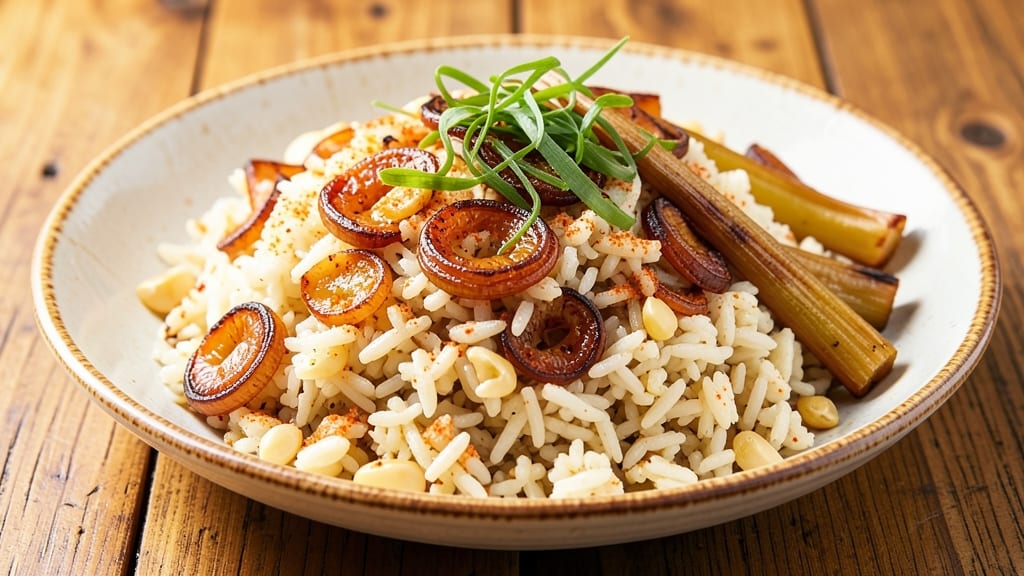
This Cajun rice pilaf recipe transforms simple white rice into a fragrant, spice-kissed side dish with crispy toasted celery and deep, smoky flavors.
The secret lies in blooming the spices—just 10 minutes of toasting garlic, onions, and celery in oil unlocks their natural sweetness and builds the foundation for that signature Cajun heat.
I developed this version after years of testing, ensuring the rice stays tender while absorbing all those bold spices without turning mushy.
The result is a perfectly balanced pilaf with crispy edges on the celery, a fragrant aroma from the Cajun seasoning, and fluffy rice that holds its shape. This recipe works equally well as a standalone side for grilled meats or as a hearty vegetarian main dish.
The foolproof method ensures restaurant-quality results every time, whether you're using a stovetop or Instant Pot for faster cooking.
Ingredients for cajun rice pilaf
Transform ordinary rice into a fragrant, spice-infused pilaf with crispy celery edges and deep Cajun warmth.
| Ingredient | Amount | Notes |
|---|---|---|
| Long-Grain White Rice 🍚 | 1 ½ cups | Uncooked, jasmine or basmati preferred |
| Yellow Onion 🧅 | 1 whole | Medium size, finely diced |
| Celery Stalks 🥬 | 3 whole | Cut into 1/4-inch slices |
| Garlic Cloves 🧄 | 4 cloves | Minced finely for even distribution |
| Vegetable Oil 🫒 | ½ cup | High smoke point preferred |
| Cajun Seasoning 🌶️ | 2 tbsp | High-quality blend with paprika and cayenne |
| Dried Thyme 🌿 | 1 tsp | Or 1 tbsp fresh thyme leaves |
| Dried Oregano 🍃 | 1 tsp | Mexican oregano preferred |
| Bay Leaves 🌿 | 2 whole | Fresh or dried, removed before serving |
| Chicken Broth 💧 | 2 cups | Low-sodium preferred, homemade ideal |
| Salt 🧂 | 1 ½ tsp | Diamond Crystal preferred, adjust to taste |
| Black Pepper 🌶️ | ½ tsp | Freshly ground for optimal flavor |
| Green Onion 🧅 | 2 whole | Sliced thin for garnish |
| Fresh Parsley 🌿 | ¼ cup | Chopped, for garnish |
| Lemon Juice 🍋 | 1 tbsp | Freshly squeezed for brightness |
The foundation starts with the aromatic vegetables—onions, celery, and garlic. Look for celery with crisp, vibrant stalks and onions with papery skins, signs of freshness. Whole Foods or local farmers' markets often carry the best quality. For the rice, jasmine or basmati holds its shape beautifully after cooking. If you're using a mix of spices, Penzeys or bulk bins at natural grocery stores offer the freshest blends. The key is toasting these vegetables until golden—this process unlocks their natural sweetness and builds the flavor base for the entire dish.
No Cajun seasoning on hand? Mix 1 tbsp paprika, 1 tsp garlic powder, 1 tsp onion powder, 1/2 tsp cayenne, and 1/2 tsp dried thyme as a substitute. Fresh thyme works better than dried, but if you only have dried, use one-third the amount. For the broth, low-sodium options prevent over-salting the pilaf. If you're vegetarian, swap chicken broth for vegetable broth. The green onions and parsley are purely for garnish, but if you're out, extra chopped parsley or chives will work in a pinch. The lemon juice adds brightness—don't skip it, even if it's just a squeeze from a bottle.
This pilaf reheats beautifully—just add a splash of broth or water to prevent drying out. Store in an airtight container for up to 5 days in the fridge. For longer storage, freeze portions for up to 3 months. The flavors actually deepen overnight, making it perfect for meal prep. If you're using an Instant Pot, the rice will be ready in about 10 minutes after the initial sautéing, while stovetop requires about 20 minutes of simmering. Always let it rest for 5 minutes after cooking to allow the grains to absorb any remaining liquid.
Why You'll Love This Recipe
- Minimal Chopping Required: I swear by this trick—dice the onion and celery into big chunks, not tiny cubes. The flavor still sings through, and honestly? I’m not carving up my fingers for a side dish.
- Spicy-Savory Magic: That Cajun seasoning isn’t just a sprinkle—it’s the star. The rice soaks up the smoky, garlicky heat while staying fluffy, like a hug from a Louisiana summer.
- Lunchbox Hero: Between us, this pilaf is my go-to for meal prep. Toss it cold in wraps with grilled chicken or warm it up in a thermos—no sad, soggy rice here.
- Pantry Stash Winner: I keep a bag of long-grain rice and a jar of Cajun seasoning on hand just for this. Five bucks and 20 minutes turn into a side that feeds four for under $2.50 a serving.
Step-by-step instructions for Cajun rice pilaf
Master this technique and you'll achieve perfectly toasted grains with deep, aromatic spices and a satisfying celery crunch.
Toast the Celery and Onion for Maximum Flavor
Heat the 0.5 cup vegetable oil in a large, heavy-bottomed skillet over medium-high heat until shimmering. Add the 3 whole celery stalks cut into ¼-inch slices and the 1 whole yellow onion finely diced. Cook, stirring occasionally, for 8-10 minutes until the celery turns a deep golden brown and the onion becomes translucent.
The key here is patience—don't rush this step. You want the celery to develop that signature toasted crunch that defines this pilaf. The edges should be crisp while the centers remain slightly tender. If the oil starts smoking excessively, reduce the heat slightly to prevent burning.
Add Aromatics and Build the Spice Base
Push the celery and onion to one side of the skillet and add the 4 cloves garlic cloves minced finely. Cook for 30 seconds until fragrant, stirring constantly to prevent burning. Return the celery and onion mixture to the center of the pan, then add the 2 tbsp Cajun seasoning, 1 tsp dried thyme, 1 tsp dried oregano, and 2 whole bay leaves. Stir everything together for 1-2 minutes until the spices are evenly distributed and the mixture is well-coated.
This is where the Cajun profile develops its complexity. The paprika in the seasoning will begin to deepen in color, and the cayenne will start releasing its heat. Don't be tempted to walk away—constant stirring ensures even toasting and prevents any single component from burning.
Toast the Rice for Perfect Texture
Add the 1.5 cups long-grain white rice to the skillet and stir vigorously for 2-3 minutes until every grain is coated with oil and spices. The rice should look dry and slightly translucent at the edges. This toasting step is crucial—it prevents the rice from becoming mushy and ensures each grain develops its own satisfying bite.
I like to press down gently on the rice with a wooden spoon during the first minute to ensure even contact with the hot oil. This prevents it from clumping and guarantees that every grain gets properly toasted. You'll know it's ready when the rice begins to release its natural starches and smells distinctly nutty.
Deglaze and Simmer the Pilaf
Pour in the 2 cups chicken broth and bring to a gentle boil. Reduce heat to low and cover the skillet with a tight-fitting lid. Let it simmer for 18-20 minutes without stirring, allowing the rice to absorb the liquid and the spices to meld together. The broth should be completely absorbed by the end of this time.
If you notice steam escaping around the edges of the lid, that's a good sign—the rice is cooking properly. Don't peek or lift the lid during this time, as the sudden temperature change can disrupt the cooking process. The rice should be tender but still have a slight bite in the center.
Finish with Garnishes and Brightness
Remove the skillet from heat and let it sit covered for 5 minutes. Discard the 2 whole bay leaves, then fluff the rice gently with a fork. Stir in the 1 tbsp lemon juice, 1.5 tsp salt, and 0.5 tsp black pepper. Finally, fold in the 2 whole green onion sliced thin and 0.25 cup fresh parsley chopped.
The lemon juice brightens the rich, spiced flavors while the fresh herbs add a final layer of freshness. For serving, I like to transfer the pilaf to a platter and garnish with additional parsley and green onion. The contrast between the toasted celery, tender rice, and fresh garnishes makes each bite exciting.
Pro Tips For Making Cajun Rice Pilaf
- TOAST THE AROMATICS FIRST: Skip the raw onion-and-celery rush—sauté them in vegetable oil over medium-high heat until the onions turn translucent and the celery softens (about 5 minutes). I learned this the hard way: raw veggies in rice pilaf taste like sad, waterlogged mush instead of flavor anchors. The garlic goes in last—just 30 seconds before the rice—to avoid bitterness.
- SWIM THE RICE IN BROTH: Use twice the rice volume in hot stock (not cold) and stir once after 2 minutes. The rice needs space to expand, but drowning it in cold liquid guarantees gummy results. My grandmother swore by this, and she was right: the broth should cover the rice by about an inch, not smother it.
- DON’T STIR AFTER 5 MINUTES: Once the rice starts absorbing liquid, stirring breaks the grains and turns your pilaf into mush. After that initial 5-minute stir, just walk away and let it steam. I know, I know—it’s tempting to check, but resist the urge. The Cajun spices need time to bloom, and poking at it ruins the texture.
- UPGRADE WITH SMOKED PAPRIKA: Toss in ½ teaspoon of smoked paprika when you add the Cajun seasoning—it deepens the flavor without extra work. I was skeptical until I tried it: the subtle smokiness cuts through the sharpness of the cayenne and ties the dish together. (Yes, even if you’re impatient like me, this takes 10 seconds.)
Make-ahead tips for this recipe
Prep Ahead Strategy
I recommend prepping the aromatic vegetables and spices 24 hours ahead to deepen the flavors. Dice the 1 yellow onion and slice the 3 celery stalks into ¼-inch pieces, then store them in a sealed container in the fridge.
The celery will stay crisp, and the onions won't dry out. This step saves 15 minutes of prep time on cooking day. 💡
Instant Pot Shortcut
For a 30-minute version, sauté the celery, onion, and garlic in the Instant Pot using medium-high heat for 5 minutes instead of a skillet. Add the rice, spices, and broth, then seal the lid and cook on high pressure for 4 minutes.
Let it naturally release pressure for 10 minutes before fluffing. The Instant Pot version keeps the rice perfectly fluffy with minimal effort. ✨
Freezer-Friendly Base
Make a double batch and freeze half for later. Portion the cooked pilaf into airtight containers, leaving ½-inch headspace to prevent ice crystals. Label with the date and freeze for up to 3 months.
To reheat, thaw overnight in the fridge, then warm in a skillet with 2 tbsp broth over low heat for 5 minutes. The texture stays perfect, and the flavors remain vibrant. ❄️
Spice Mix Prep
Combine the Cajun seasoning, dried thyme, and dried oregano in a small jar with a tight lid. Store it in your spice drawer for up to 6 months.
This pre-mixed blend saves time and ensures consistent flavor in every batch. I keep a separate jar just for rice dishes to avoid cross-contamination. 🌶️
Broth Substitutions
Use vegetable broth for a vegetarian version or seafood broth for added depth. For a richer flavor, reduce 2 cups broth by half in a saucepan before adding it to the rice.
This concentrated broth intensifies the umami notes without altering the cooking time. Keep a stash of reduced broth in the freezer for quick use. 💧
Garnish Prep
Slice the 2 green onions and chop the ¼ cup parsley right before serving to keep them fresh. Store the whole green onions in a sealed container in the fridge for up to 5 days, and keep parsley wrapped in a damp paper towel to maintain crispness.
Fresh garnishes elevate the dish with a bright contrast to the spiced rice. 🌿
Nutrition facts
Frequently asked questions
Can I use brown rice instead of white rice in this Cajun pilaf?
Brown rice works but requires 25% more liquid and 50% longer cooking time—about 35-40 minutes total. Use 1.8 cups brown rice and 2.5 cups broth for the same recipe. The texture will be chewier but still absorb the Cajun flavors beautifully. For best results, toast the rice for 3-4 minutes instead of 2-3.
How do I adjust the heat level in this Cajun pilaf?
For milder heat, reduce the Cajun seasoning to 1 tbsp and omit the cayenne from your homemade blend. For extra spice, add ½ tsp smoked paprika and ¼ tsp cayenne pepper directly to the rice after toasting. Always taste before serving—you can easily balance heat with a squeeze of lemon juice.
What's the best way to make this pilaf in a rice cooker?
Sauté the celery, onion, garlic, and spices in the rice cooker's pot first (using 1 tbsp oil) until golden. Add the rice and toast for 1 minute, then pour in the broth. Cook on the white rice setting, but check at 15 minutes—it may need 5-10 more minutes depending on your model. Let it steam for 5 minutes after cooking before fluffing.
Why did my pilaf turn out mushy instead of fluffy?
Mushy rice usually means either too much liquid or lifting the lid while cooking. Use exactly 2 cups broth for 1.5 cups rice and resist peeking! If your rice is still too wet after cooking, spread it on a baking sheet and bake at 350°F for 10 minutes to dry it out. For next time, toast the rice for 3 full minutes to build a protective crust.
Can I add protein like shrimp or chicken to this pilaf?
For shrimp, add ½ lb peeled shrimp with the celery and cook until pink (2-3 minutes). For chicken, use 1 cup diced cooked chicken breast and fold it in during the final 5 minutes of cooking. Never add raw meat—it needs separate cooking time to avoid undercooking. The protein will soak up all those Cajun flavors perfectly.