
Main Courses
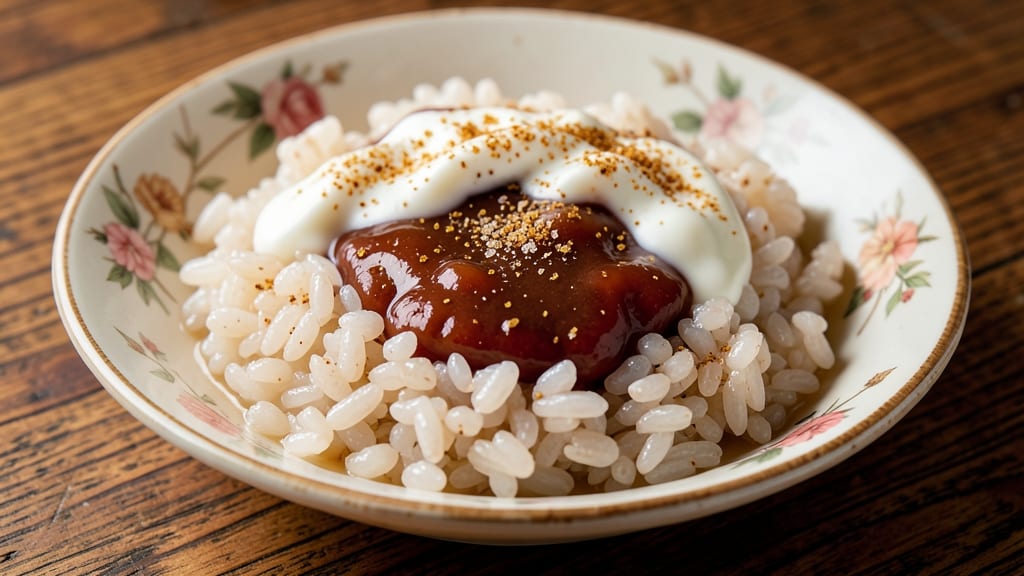
This Cantonese-style glutinous rice recipe transforms simple ingredients into a fragrant, five-spice-infused steamed pudding that captures the essence of traditional Chinese desserts. The secret lies in soaking the rice for hours to achieve that signature creamy, melt-in-your-mouth texture, while the five-spice blend adds warmth and depth.
Unlike sticky rice, glutinous rice absorbs flavors beautifully, creating a dessert that's both comforting and elegant.
Perfect for special occasions or as a light yet satisfying treat, this recipe delivers restaurant-quality results with minimal effort. The pudding steams to golden perfection, revealing a delicate crust that contrasts with its soft interior.
Whether you choose classic red bean filling or tropical coconut, each bite offers a harmonious blend of textures and flavors that will impress even the most discerning palates.
Ingredients for cantonese style glutinous rice
Authentic Cantonese flavors meet delicate technique in this fragrant five-spice pudding.
| Ingredient | Amount | Notes |
|---|---|---|
| Glutinous Rice (Sweet Rice) 🍚 | 1 cup | Uncooked, rinsed thoroughly |
| Red Bean Paste 🌱 | 1 cup | Store-bought or homemade |
| Coconut Milk 🥥 | 13 ½ oz | Full-fat canned variety |
| Five-Spice Powder 🌶️ | 1 tbsp | Authentic Chinese blend |
| Rock Sugar 🍬 | ¼ cup | Granulated or crushed |
| Water 💧 | 2 cups | Room temperature preferred |
| Lotus Leaf 🌺 | 1 whole | For wrapping (optional) |
| Bamboo Steamer 🍜 | 1 piece | With lid, 8-inch diameter |
| Sesame Oil 🫒 | 1 tsp | For drizzling |
| Toasted Sesame Seeds 🌱 | 1 tbsp | For garnish |
| Salt 🧂 | ½ tsp | Fine sea salt |
| Vanilla Extract 🌸 | ½ tsp | Pure, optional |
| Cornstarch 🌾 | 1 tbsp | For thickening |
| Dried Tangerine Peel 🍊 | 1 tsp | Candied, optional |
The glutinous rice is the foundation—look for authentic sweet rice at Asian markets, not regular sticky rice. Thai Kitchen brand works in a pinch, but specialty stores carry superior quality. Soak the rice for at least 4 hours (overnight is ideal) to achieve that signature melt-in-your-mouth texture. The five-spice powder should be authentic Chinese blend—Penzeys Spices carries an excellent version. Rock sugar is non-negotiable for authentic sweetness; granulated white sugar lacks the same depth of flavor. For the coconut milk, full-fat canned varieties like Aroy-D provide the richest texture.
No red bean paste? Substitute with sweet adzuki bean paste or even mashed sweet potatoes for a modern twist. Running short on rock sugar? Brown sugar or palm sugar work in a bind, though the flavor profile shifts slightly. The lotus leaf adds aroma but isn't strictly necessary—parchment paper works as a substitute. For the five-spice blend, if you can't find authentic powder, toast and grind equal parts star anise, cinnamon, fennel, cloves, and Sichuan peppercorns. The bamboo steamer is ideal, but any heatproof dish with a tight lid will suffice. For a tropical variation, replace half the red bean with mango purée or lychee paste.
Prep the rice mixture ahead and refrigerate for up to 24 hours—flavors develop beautifully overnight. When steaming, maintain gentle heat for 45-60 minutes to achieve that delicate crust. Store leftovers in an airtight container for 3-4 days at room temperature or 1 month refrigerated. For serving, drizzle with sesame oil and sprinkle toasted sesame seeds—this step elevates the presentation dramatically. The pudding reheats beautifully; simply steam again until warmed through.
Why You'll Love This Recipe
- I’ll be real: this recipe is ridiculously cheap to make. Glutinous rice and red bean paste last forever, coconut milk’s a pantry staple, and five-spice powder is a one-time buy that elevates everything. Plus, leftovers taste just as good cold the next day—perfect for when you’re too tired to cook but still want something special.
- One-Pot Magic: I swear by this recipe because it’s actually one-pot—just rice, coconut milk, and a handful of pantry staples. No fancy equipment, no stressing over layers or timers. The red bean paste melts right into the coconut milk while the rice steams, and honestly? That’s all it takes.
- Five-Spice Secret Weapon: Here’s what sold me—the five-spice powder isn’t just a seasoning; it’s the star. A pinch of cloves, cinnamon, and star anise in that creamy coconut-red bean mix? It’s like a warm hug in every bite, especially when the rock sugar caramelizes at the edges. Not overly sweet, not bland—just right.
- Lunchbox Hero: Between us, this is my go-to for meal prep. The texture holds up for days (yes, even after reheating), and the kids actually finish their portions. Pack it in bento boxes or thermoses—it’s the kind of dish that makes you look like a lunch-planning genius, even if you’re just throwing it together on Sundays.
Step-by-step instructions for Cantonese style glutinous rice pudding
Mastering this delicate dessert requires patience and precision—each step builds the signature fragrant texture.
Prepare the Glutinous Rice Base
Rinse the 1 cup Glutinous Rice (Sweet Rice) thoroughly under cold water until the water runs clear. This removes excess starch that would make the pudding gummy. Soak the rice in 2 cups Water for at least 4 hours or overnight—this hydration step is crucial for achieving the signature silky texture. After soaking, drain well and transfer to a mixing bowl.
In the same bowl, add the 13.5 oz Coconut Milk, 1 cup Red Bean Paste, 0.25 cup Rock Sugar, 1 tbsp Five-Spice Powder, 0.5 tsp Salt, and 0.5 tsp Vanilla Extract. Mix gently with a spatula until the sugar and spices dissolve completely. The mixture should be smooth with no visible sugar granules—this ensures even distribution of flavors throughout the pudding.
Thicken the Mixture
In a small bowl, whisk together the 1 tbsp Cornstarch with 2 tablespoons of cold water until smooth. Slowly pour this slurry into the rice mixture while whisking continuously. This creates a thickening agent that will give the pudding its characteristic firm yet tender texture. Cook the mixture over medium-low heat in a heavy-bottomed pot, stirring constantly with a wooden spoon.
Cook for 15-20 minutes until the mixture thickens to a pudding-like consistency that coats the back of a spoon. You'll know it's ready when it pulls away from the sides of the pot and forms a slight sheen on the surface. Be vigilant during this step—overcooking will make the pudding dry and dense. Once thickened, remove from heat and let it cool to room temperature.
Assemble and Steam
Lightly grease the inside of the Bamboo Steamer with 1 tsp Sesame Oil to prevent sticking. If using, place the whole Lotus Leaf at the bottom of the steamer—its natural aroma will infuse the pudding with delicate floral notes. Spoon the cooled pudding mixture into the steamer, spreading it evenly to create a uniform layer about ½-inch thick. The surface should be smooth but not compacted.
Cover the steamer with its lid and place it over a pot of simmering water. Maintain a gentle steam at medium-low heat—the water should simmer steadily but not boil vigorously. Steam for 45-50 minutes until the pudding is set but still slightly jiggly in the center when gently shaken. The edges should pull away cleanly from the sides of the steamer, indicating proper doneness.
Finish and Garnish
Remove the steamer from heat and let it rest for 10 minutes before unmolding. Run a thin knife around the edges to loosen the pudding, then invert it onto a serving plate. The pudding should release cleanly with minimal sticking if properly steamed. While still warm, drizzle with the remaining 1 tsp Sesame Oil and sprinkle generously with 1 tbsp Toasted Sesame Seeds and 1 tsp Dried Tangerine Peel. These finishing touches add contrasting textures and aromatic depth.
Serve the pudding warm or at room temperature, cutting into diamond-shaped pieces with a sharp knife. Each slice should reveal a glossy interior with pockets of coconut milk and red bean paste. The exterior should be slightly crisp from steaming, while the interior remains tender and fragrant with five-spice notes. For best results, serve within 2 hours of steaming while the flavors are at their peak.
Pro Tips For Making Cantonese Style Glutinous Rice
- Soak Rice Overnight: I learned this the hard way—rushing the soak leads to gummy, uneven grains. Glutinous rice needs 6+ hours in water (yes, even if you’re impatient like me), and don’t skip changing the water once. The longer it soaks, the more tender and sticky the final texture becomes.
- Toast Five-Spice Low: Five-spice powder burns faster than you’d think. Toast it in a dry pan over medium-low heat for 30 seconds, stirring constantly, until it smells aromatic but not smoky. Too much heat kills the subtle cinnamon and clove notes—this isn’t a high-heat spice.
- Layer Coconut Milk Carefully: Pour coconut milk over the cooked rice, not under. This keeps the grains intact and prevents a watery, soupy mess. Start with half the milk, gently fold it in, then add the rest—your future self will thank you when the texture stays creamy and cohesive.
- Sweeten Last, Not First: Rock sugar needs to dissolve into the hot mixture, not sit as gritty chunks. Crush it into small pieces first, then add it with the coconut milk in the final 2 minutes of cooking. Stirring vigorously for 30 seconds ensures it melts smoothly—no scraping later.
Regional styles of cantonese style glutinous rice
Hong Kong-Style Lotus Leaf Wrap
The Hong Kong variation elevates this dessert by wrapping the pudding in lotus leaves before steaming. I recommend using fresh lotus leaves from Asian markets—they impart a delicate floral aroma that complements the five-spice blend beautifully.
If fresh leaves aren't available, dried lotus leaves work too, but soak them in warm water for 10 minutes first to soften. Simply place a whole leaf at the bottom of your steamer, spread the pudding mixture evenly, then fold the leaf edges inward before covering with the lid.
This creates a natural, aromatic package that feels like a restaurant-quality treat. 🌺
Guangdong Red Bean Special
In Guangdong province, this dessert often features homemade red bean paste made from adzuki beans, which creates a deeper, earthier flavor than store-bought versions.
For an authentic touch, simmer 1 cup dried adzuki beans with 2 cups water and ¼ cup rock sugar for 1.5 hours until soft, then blend until smooth.
Replace the store-bought red bean paste with this homemade version—it transforms the pudding into a texturally rich experience with natural sweetness and subtle bean nuttiness. The contrast between the creamy rice and the rustic bean paste is what makes this variation truly special.
Taiwanese Coconut Variation
Taiwanese chefs often infuse this dessert with tropical coconut flavors by using young coconut water instead of canned coconut milk. Blend 1 young coconut (about ½ cup water) with the 13.5 oz canned coconut milk for a fresher, more vibrant taste.
Add 1 tsp toasted coconut flakes to the pudding mixture before steaming, and garnish with extra flakes after serving. This version has a lighter, brighter profile that pairs beautifully with the five-spice warmth.
For extra decadence, drizzle with toasted coconut cream before serving—it adds a luxurious finish that feels like a vacation in every bite. 🥥
Dim Sum Shop Technique
Dim sum chefs use a two-stage steaming method to achieve that signature crisp exterior with a silky interior. After the initial 45-minute steam, let the pudding cool slightly, then steam it again for 10-15 minutes at a higher heat to develop the crust.
This technique requires a bamboo steamer with a tight-fitting lid—I recommend a double-layered steamer for even heat distribution. The result is a pudding with a golden, slightly caramelized top that contrasts perfectly with the soft center. This professional trick takes the dessert from homemade to restaurant-worthy in minutes. 🍜
Modern Fusion Twist
For a contemporary take, replace half the red bean paste with mango purée or lychee paste to create a tropical fusion. Add ½ tsp pandan extract to the mixture for a fragrant, floral note that balances the five-spice warmth.
Garnish with toasted coconut flakes and a sprinkle of crushed macadamia nuts for crunch. This version is perfect for summer gatherings—it’s bright, refreshing, and still carries the comforting essence of traditional Cantonese desserts.
The pandan extract is the secret ingredient that ties everything together with its signature vanilla-like aroma. 🌟
Nutrition facts
Frequently asked questions
What's the secret to getting the right texture in Cantonese glutinous rice pudding?
The key is proper soaking time—at least 4 hours (overnight is best) for the rice to absorb enough water. After cooking, the mixture must cool completely before steaming to prevent a gummy texture. Use cornstarch slurry to thicken properly, and steam over gentle heat for 45-60 minutes until set but still slightly jiggly in the center.
Can I make this pudding without a bamboo steamer?
Use any heatproof dish with a tight lid—ceramic ramekins or glass baking dishes work perfectly. For extra insurance, place your dish in a larger pot with 1 inch of simmering water (like a makeshift steamer). The pudding will still develop that signature delicate crust without a bamboo steamer.
How do I store and reheat leftover Cantonese glutinous rice pudding?
Store in an airtight container at room temperature for 3-4 days or refrigerate for 1 month. To reheat, steam for 10-15 minutes until warmed through—microwaving can make it rubbery. For best texture, steam fresh portions rather than reheating. The pudding reheats beautifully, maintaining its creamy interior and crisp exterior when done properly.
What can I substitute if I can't find rock sugar?
Use brown sugar or palm sugar in equal amounts for the closest flavor. Granulated white sugar works in a pinch but lacks the caramel notes of rock sugar. For authentic results, look for jaggery (Indian palm sugar) at specialty stores—it dissolves beautifully and adds depth. The sugar type affects the pudding's flavor profile, so choose based on what you have available.
Why does my glutinous rice pudding turn out dry or crumbly?
This usually happens from overcooking during the thickening stage or insufficient steaming time. Cook the mixture only until it reaches a pudding consistency (about 15-20 minutes over low heat), then cool completely before steaming. For the steam step, maintain gentle heat—the pudding should be set but still slightly jiggly in the center. If it's too dry after steaming, lightly steam again with a damp paper towel on top.