
Side Dishes
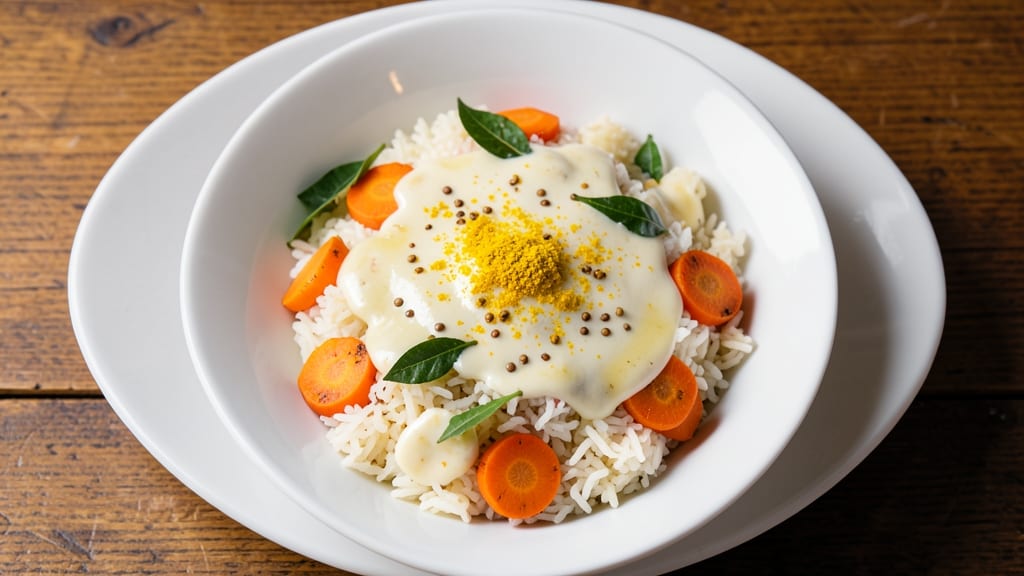
This Tamil carrot rice recipe transforms humble rice and carrots into a fragrant, spiced side dish that's a staple in South Indian homes. The secret lies in the tempering—mustard seeds, curry leaves, and turmeric blooming in hot oil—then simmered with coconut milk for a rich, aromatic finish.
I've perfected this version to balance sweet carrots with the earthy warmth of traditional spices, making it both comforting and restaurant-worthy.
What sets this apart is the pressure-cooked rice method, which keeps grains separate and fluffy while absorbing the coconut-milk carrot mixture perfectly. Garnished with toasted coconut flakes and fresh coriander, each bite delivers tender rice, sweet carrots, and layers of spiced coconut flavor.
This dish pairs beautifully with sambar or yogurt, completing a traditional Tamil meal that's both nourishing and deeply satisfying.
Ingredients for carrot rice recipe in tamil
The aromatic foundation of this Tamil carrot rice begins with pressure-cooked rice and coconut milk's velvety embrace.
| Ingredient | Amount | Notes |
|---|---|---|
| Long-Grain White Rice 🍚 | 1 cup | Uncooked, rinsed thoroughly |
| Medium Carrots 🥕 | 2 cups | Peeled, sliced into even rounds |
| Light Coconut Milk 🥥 | 1 can | 13.5 oz, full-fat preferred |
| Yellow Turmeric Powder 🌿 | ½ tsp | Freshly ground preferred |
| Mustard Seeds 🌱 | 1 tbsp | Whole, light brown variety |
| Curry Leaves 🌿 | ¼ cup | Fresh, dried as substitute |
| Fresh Cilantro 🌿 | ¼ cup | Chopped, stems removed |
| Toasted Coconut Flakes 🥥 | 2 tbsp | Unsweetened, lightly toasted |
| Vegetable Oil 🫒 | 3 tbsp | Refined, high smoke point |
| Salt 🧂 | ½ tsp | Diamond Crystal preferred |
| Asafoetida Powder 🌶️ | ⅛ tsp | Optional, for depth of flavor |
| Green Cardamom Pods 🌿 | 2 whole | Lightly crushed |
| Water 💧 | 2 cups | Filtered, room temperature |
The curry leaves are non-negotiable here—fresh from a South Indian grocery store or a specialty market delivers that unmistakable aroma. Look for vibrant green leaves, not wilted or yellowing. Mustard seeds should be light brown and whole; the darker variety burns easily. For coconut milk, full-fat canned brands like Aroy-D or Goya work best—they provide that rich, creamy texture without wateriness. If using dried curry leaves, toast them briefly in oil before adding to enhance their flavor. Green cardamom pods should be plump and aromatic; crush them lightly between your palms just before using to release their essential oils.
No fresh curry leaves? Dried leaves at half the amount work in a pinch, but the flavor won't be identical. Substitute coconut milk with light coconut cream for a slightly thicker texture, though the dish will be less rich. Asafoetida powder is optional but adds that signature umami depth—omit if avoiding strong flavors. For the rice, jasmine or basmati can replace long-grain white, though the texture will differ slightly. Pressure-cooking the rice is key—if you don't have a pressure cooker, use the absorption method with 1.5 cups water and simmer until tender. The carrots should be evenly sliced—thicker pieces stay crunchy, thinner ones turn mushy.
Store the cooked carrot rice in an airtight glass container for up to 4 days in the refrigerator. Reheat gently on low heat with a splash of water to restore moisture. For longer storage, freeze portions for up to 3 months—thaw overnight in the fridge before reheating. Garnish with toasted coconut flakes just before serving to maintain their crisp texture. This dish pairs beautifully with sambar or yogurt, completing a traditional Tamil meal. The flavors deepen with time, so leftovers often taste better the next day as the spices meld.
Why You'll Love This Recipe
- One-Pot Magic: I swear by this trick—just toss everything in one pot, stir once, and walk away. The rice and carrots cook together, no fancy layers or timers needed. Honestly, my weekday dinners are saved by this.
- Golden Creamy Rich: That turmeric and coconut milk combo? It’s like sunshine in a bowl. The carrots stay tender-crisp while the rice soaks up all that fragrant, velvety goodness—no heavy cream, just pure plant-based comfort.
- Lunchbox Hero: Pack this cold or reheated—it’s my go-to for kids’ school lunches or office meals. The mustard seeds add a tiny kick that keeps it interesting, and the texture holds up perfectly. (Yes, even on a Tuesday night.)
- Pantry Staple: A few carrots and a can of coconut milk stretch this into three meals for the price of one. Leftover rice? Just reheat with a splash of water—no soggy mess. My budget-friendly secret weapon for weeks.
Step-by-step instructions for carrot rice in Tamil style
This aromatic spiced rice dish balances sweet carrots and fragrant coconut milk for a harmonious Tamil-style meal.
Prepare the Carrots and Seasoning Base
Begin by peeling and slicing the 2 cups of medium carrots into even ¼-inch rounds. This ensures they cook uniformly and maintain their texture. Set them aside. In a small bowl, combine the 0.5 teaspoon yellow turmeric powder, 0.5 teaspoon salt, 0.125 teaspoon asafoetida powder, and the 2 lightly crushed green cardamom pods. This spice blend forms the aromatic foundation of the dish.
Toast the 1 tablespoon mustard seeds in a dry skillet over medium heat for 30 seconds until they begin to pop. Immediately transfer them to a bowl and add the 0.25 cup curry leaves and the spice mixture. Let this tempered spice blend cool slightly—this process enhances their flavors and prevents bitterness in the final dish.
Sauté the Carrots and Infuse the Oil
Heat 3 tablespoons vegetable oil in a heavy-bottomed pot over medium heat. Add the tempered spice blend and sauté for 1 minute until the oil turns golden and fragrant. This step releases the essential oils from the spices, creating a flavorful base. Add the sliced carrots and stir to coat them evenly in the spiced oil.
Cook the carrots for 5-6 minutes while stirring occasionally, until they begin to soften slightly at the edges. The goal is to infuse them with the spice flavors without fully cooking them—this ensures they retain their natural sweetness and texture. If the carrots release moisture, reduce the heat slightly to prevent burning.
Cook the Rice with Coconut Milk
Rinse the 1 cup long-grain white rice thoroughly under cold water until the water runs clear. This removes excess starch, preventing the rice from becoming gummy. Drain well and add it to the pot with the carrots. Stir gently to combine, ensuring the rice absorbs the spiced oil and carrot flavors.
Pour in the 2 cups water and bring the mixture to a boil over high heat. Once boiling, reduce the heat to low, cover the pot with a tight-fitting lid, and simmer for 10 minutes. After this initial cooking time, stir in the 1 can light coconut milk, ensuring it's evenly distributed throughout the rice and carrots.
Finish and Garnish the Dish
Continue cooking on low heat for another 10-12 minutes, stirring gently once or twice to prevent sticking. The rice should be tender with a slight bite, and the coconut milk should be fully absorbed, creating a creamy texture. The dish is ready when the rice grains are distinct and the carrots are tender but still hold their shape.
Once cooked, remove the pot from heat and let it sit covered for 5 minutes. This resting period allows the flavors to meld and the rice to steam in its own moisture. Fluff the rice gently with a fork, then garnish with the 2 tablespoons toasted coconut flakes and 0.25 cup chopped fresh cilantro. Serve warm, accompanied by a side of yogurt or a simple salad for a complete Tamil-style meal.
Pro Tips For Making Carrot Rice Recipe In Tamil
- Parboil Carrots First: I learned this the hard way—raw carrots in coconut milk just turn mushy. Cut them into even ½-inch sticks, boil in salted water for 3 minutes, then drain. The partial cook keeps them tender-crisp while soaking up all that creamy coconut flavor.
- Toast Mustard Seeds Dry: Skip the oil splash—just toss whole mustard seeds into a dry pan over medium heat until they pop like tiny firecrackers. This prevents bitterness and makes the aroma hit your rice with that classic Tamil breakfast punch.
- Use Half the Coconut Milk: The rice absorbs more than you think. Start with 1 cup of coconut milk (not 1½), then add a splash of water if needed. Overdoing it makes the rice soggy—trust me, I’ve drowned rice with coconut milk.
- Temper Turmeric with Heat: Bloom the turmeric in a spoon of oil for 10 seconds before adding rice. Cold turmeric just sits there, but heating it releases its golden magic and prevents that chalky aftertaste. (Yes, even a pinch matters.)
Serving suggestions for carrot rice recipe in tamil
Traditional Pairings
Serve this carrot rice with sambar—the classic South Indian lentil stew—for a complete Tamil meal. The tangy, spiced sambar cuts through the coconut richness, balancing flavors perfectly. I often add a dollop of homemade yogurt with a pinch of roasted cumin powder on top for extra creaminess. 🥄
Breakfast or Lunch?
This dish works beautifully for both meals. For breakfast, pair it with a steamed idli or dosa to start your day with energy. For lunch, serve it alongside a cucumber raita and boondi raita to keep the meal light yet satisfying.
The coconut milk adds a luxurious touch that elevates it beyond a simple side.
Garnish Like a Pro
Toast the coconut flakes in a dry pan until golden brown for extra flavor—just 2-3 minutes on medium heat. Fresh cilantro leaves add a bright contrast, while a sprinkle of black pepper enhances the warmth.
I also like adding a few curry leaves on top for an authentic touch. Garnish just before serving to keep everything fresh.
Meal Prep Tips
Cook the rice and carrots separately, then combine before serving to maintain texture. Store components in airtight containers for up to 4 days. Reheat gently with a splash of water or coconut milk to restore moisture.
For a quick lunch, assemble with pre-cooked sambar and store-bought yogurt—it’s a time-saver without sacrificing flavor. ✨
Kid-Friendly Twist
Cut the carrots into smaller pieces for little ones, and reduce the spice level by omitting the asafoetida. Serve with a side of mango chutney or peanut chutney to make it more appealing.
Kids often love the sweetness of the carrots and coconut, so this version keeps them engaged while still being nutritious. 💛
Spice Level Control
For milder heat, skip the asafoetida and reduce the mustard seeds to ½ tablespoon. If you prefer more kick, add ¼ teaspoon red chili powder when sautéing the carrots. Always taste as you go—adjusting spices to your preference is key to making this dish your own. 🌶️
Nutrition facts
Frequently asked questions
Can I use jasmine rice instead of long-grain white rice?
Yes, jasmine rice works beautifully! It has a slightly stickier texture that absorbs the coconut milk and spices even better. Just reduce the water by ¼ cup (use 1.75 cups total) since jasmine rice needs less liquid. The fragrant aroma will complement the carrots perfectly.
What if I don't have fresh curry leaves?
No problem! Use ½ teaspoon dried curry leaves instead, but first toast them in 1 teaspoon oil for 30 seconds until fragrant. They won't have the same aroma, but they'll still add flavor. For a stronger taste, add ¼ teaspoon ground coriander to compensate.
Can I make this dish without coconut milk?
Replace the coconut milk with 1 cup water + 2 tablespoons coconut cream for a lighter version. Or use 1 cup vegetable broth for a savory twist. The dish will still be delicious, though the coconut richness will be missing. The carrots will remain tender, and the spices will shine.
How do I prevent the rice from becoming mushy?
Always rinse the rice thoroughly until the water runs clear to remove excess starch. Use the pressure cooker method (if available) for perfectly separate grains. If simmering, reduce heat to low after the initial boil and avoid lifting the lid while cooking. The resting period of 5 minutes after cooking is also key!
Is this dish suitable for a vegetarian diet?
Yes, this recipe is completely vegetarian and packed with plant-based nutrition! The carrots provide vitamins, coconut milk adds healthy fats, and the spices offer antioxidants. It's a balanced, protein-rich side when paired with lentils or yogurt. Perfect for vegans too—just ensure your coconut milk is unsweetened and certified vegan.