
Main Courses
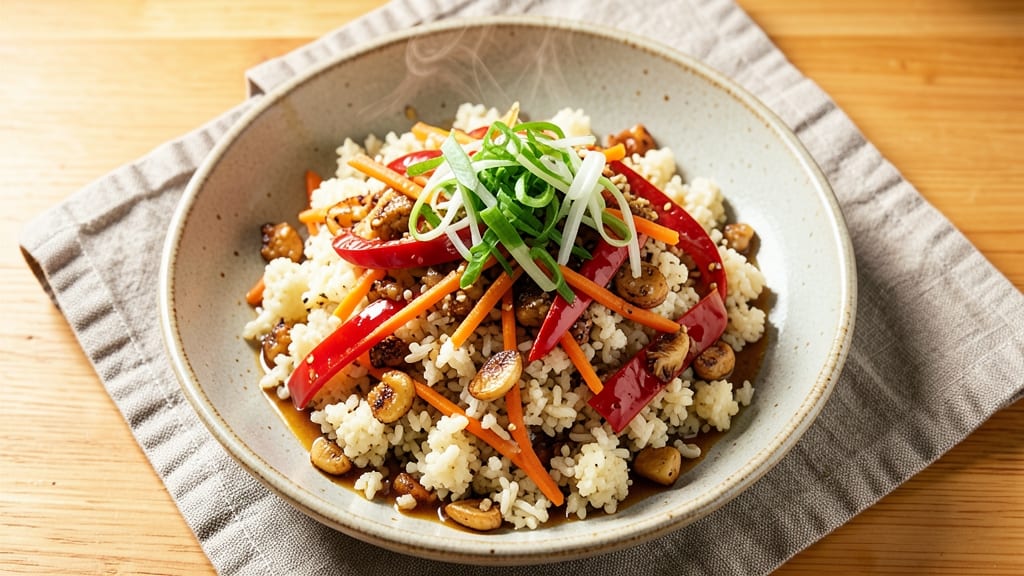
This cauliflower stir-fried rice delivers the perfect balance of texture and flavor—crispy rice, tender cauliflower florets, and aromatic seasonings that transform simple ingredients into a satisfying meal. The key lies in proper rice texture and quick stir-fry timing to lock in freshness and crunch.
I developed this recipe after realizing how versatile cauliflower could be as a rice substitute, creating a dish that's both hearty and light.
With just a few pantry staples and a hot skillet, you'll achieve restaurant-quality results at home. The technique focuses on high-heat cooking to maintain crisp edges while keeping the center tender, paired with a savory soy-ginger sauce that enhances every bite.
Whether served as a main dish or side, this stir-fry proves vegetarian meals can be just as bold and flavorful as their meat-based counterparts.
Ingredients for cauliflower stir fried rice
Pantry staples meet fresh produce for this vegetarian stir-fry masterpiece.
| Ingredient | Amount | Notes |
|---|---|---|
| Fresh Cauliflower Florets 🥬 | 4 cups | Riced or finely chopped |
| Cooked Jasmine Rice 🍚 | 3 cups | Day-old, cold preferred |
| Carrots 🥕 | 1 cup | Julienned or thinly sliced |
| Red Bell Pepper 🌶️ | ½ cup | Thinly sliced, seeds removed |
| Green Onions 🧅 | ¼ cup | White and green parts separated |
| Garlic Cloves 🧄 | 4 cloves | Minced, fresh preferred |
| Fresh Ginger 🌿 | 1 tbsp | Grated, peeled |
| Low-Sodium Soy Sauce 🍶 | 3 tbsp | Or tamari for gluten-free |
| Sesame Oil 🫒 | 1 tbsp | Toasted, for aroma |
| Vegetable Oil 🫒 | 2 tbsp | High smoke point preferred |
| Lime Juice 🍋 | 1 tbsp | Freshly squeezed |
| Diamond Crystal Kosher Salt 🧂 | ½ tsp | Adjust to taste |
| Black Pepper 🌶️ | ¼ tsp | Freshly ground |
| Toasted Sesame Seeds 🌾 | 1 tsp | For garnish |
The cauliflower is the star here—fresh, vibrant florets ensure the right texture. Look for heads with tight buds at the grocery store; the florets should snap when broken, not feel rubbery. I prefer organic cauliflower from the produce section, but the pre-riced frozen variety works in a pinch. For the rice, day-old works best—it's drier and absorbs flavors better. Jasmine or basmati are ideal, but any long-grain rice will do. The carrots and bell pepper should be crisp; store them in the fridge until ready to use, and slice them just before cooking to preserve their crunch.
No sesame oil? Avocado oil or neutral oil works, though you'll lose some aroma. Substitute tamari for soy sauce if gluten is a concern, or use coconut aminos for a milder flavor. Fresh ginger is non-negotiable here—it adds depth that powdered can't replicate. If you must use powdered ginger, cut the amount by half. For extra protein, add edamame or tofu cubes; they'll absorb the sauce beautifully. The lime juice should be freshly squeezed—bottled juice lacks brightness. If you're short on time, pre-minced garlic from a jar is fine, but fresh garlic cloves minced yourself add a whole new dimension.
Store any leftovers in an airtight container in the fridge for up to 4 days. The flavors actually improve overnight as the rice absorbs more of the sauce. For longer storage, freeze portions for up to 3 months. Reheat gently in a skillet with a splash of water to restore crispness. I like to make a double batch—this reheats perfectly for lunches. The sesame seeds can be toasted in a dry skillet for 30 seconds before adding to the dish for maximum aroma.
Why You'll Love This Recipe
- I swear by this trick: buy pre-cut carrots and bell peppers, then just toss in the florets whole—they break down perfectly while stir-frying. Honestly, my knife stays in the drawer more often than not.
- No Chopping Struggle: I swear by this trick: buy pre-cut carrots and bell peppers, then just toss in the florets whole—they break down perfectly while stir-frying. Honestly, my knife stays in the drawer more often than not.
- Umami Bomb: That crisp-tender cauliflower soaking up the soy-ginger sauce? Absolute magic. The red bell pepper adds a subtle sweetness while the green onions finish with a bright punch—every bite feels balanced, like someone seasoned it just for me.
- Lunchbox Hero: Pack this in containers for days—it reheats beautifully and keeps kids (or me) from begging for takeout. Between us, I’ve sent this to work twice this week, and no one’s complained about the texture or taste.
Step-by-step instructions for wok-tossed cauliflower stir-fried rice
Master this technique and you'll achieve restaurant-quality texture with vibrant flavors every time.
Prep All Ingredients for Maximum Efficiency
Start by ricing the 4 cups fresh cauliflower florets using a food processor or box grater. I prefer a fine texture that mimics rice grains—this ensures even cooking and proper absorption of flavors. Transfer to a bowl and set aside.
Julienne the 1 cup carrots and thinly slice the 0.5 cup red bell pepper, removing seeds and membranes. Separate the 0.25 cup green onions into white and green parts, mincing the whites and leaving the greens whole for garnish. Peel and grate the 1 tbsp fresh ginger, then mince the 4 cloves garlic. This prep work ensures everything cooks uniformly during the stir-fry.
Use day-old 3 cups cooked jasmine rice—fresh rice releases too much moisture and makes the dish soggy. Spread it on a tray and let it cool completely before using.
Build Flavor Layers in the Wok
Heat a wok or large skillet over medium-high heat until hot, then add 2 tbsp vegetable oil. Swirl to coat the surface evenly. Add the minced garlic and ginger, stirring constantly for 30 seconds until fragrant but not browned—burnt aromatics make the dish bitter.
Add the julienned carrots and red bell pepper, stirring for 2 minutes until they begin to soften but remain crisp. This partial cooking preserves their texture while building flavor. Push the vegetables to one side of the wok and add the riced cauliflower, spreading it out in an even layer. Stir-fry for 3 minutes until the cauliflower begins to soften slightly.
Real talk: If your wok isn't hot enough, the cauliflower will steam instead of developing that signature wok-hei (breath of the wok) flavor. You'll know it's ready when you see steam rising vigorously and hear a satisfying sizzle.
Combine and Season Perfectly
Add the 3 cups cooked jasmine rice to the wok, breaking up any clumps with your spatula. Stir-fry for 2 minutes to heat through and incorporate all the flavors. This is where the magic happens—the rice absorbs the vegetable juices and aromatics.
Pour in the 3 tbsp low-sodium soy sauce and 1 tbsp lime juice, tossing everything together for 1 minute. The acidity from the lime brightens the dish while the soy sauce adds depth. Sprinkle with 0.5 tsp kosher salt and 0.25 tsp black pepper, then dribble in 1 tbsp sesame oil. Toss vigorously for another 30 seconds—this ensures even distribution of all flavors.
Here's the thing—don't overmix after adding the sesame oil. You want to preserve some texture contrast between the components. The dish should look vibrant with visible cauliflower, carrots, and peppers throughout.
Finish with Texture and Aroma
Remove the wok from heat and let it sit for 1 minute—this prevents overcooking while you prepare the final garnish. In a small bowl, combine the minced green onion whites with any remaining sesame seeds. Sprinkle this mixture over the stir-fry and toss gently just once to distribute.
For serving, I like to plate the stir-fry immediately while hot. The contrast of textures—crisp cauliflower, tender rice, and fresh green onions—makes each bite exciting. If you notice the dish drying out as it cools, simply add a splash of water and toss again.
Master the Timing for Best Results
Work quickly during the stir-fry portion—this entire process should take 8-10 minutes from when you add the rice to when you serve. The residual heat in the wok continues cooking the ingredients even after you remove it from the stove.
Let the stir-fry rest for 2-3 minutes before serving. This resting period allows the flavors to meld together while maintaining the perfect texture. I've found that serving immediately after cooking gives the best balance of hot, aromatic rice with crisp vegetables.
Pro Tips For Making Cauliflower Stir Fried Rice
- CHOP CAULIFLOWER SMALL: I learned this the hard way—big florets turn to mush while carrots and peppers stay al dente. Cut cauliflower into ½-inch pieces (or smaller if you're impatient) so it cooks fast and even. Think rice-sized, not bite-sized.
- USE DAY-OLD RICE: Fresh jasmine rice is too sticky—it clumps like glue in stir-fry. Cool your rice for at least 30 minutes (or refrigerate 1 hour) so it stays separate and absorbs flavors instead of turning into a sad, gummy block.
- SALT THE CAULIFLOWER: Toss florets with ½ teaspoon salt before cooking—it draws out moisture and crisps the edges. Skip this, and you’ll end up with soggy cauliflower that blends into the rice instead of adding texture.
- STIR-FRY IN BATCHES: Overcrowding the pan steams the veggies instead of searing them. Cook cauliflower and carrots first, then move them to a plate before adding peppers and rice. A hot, slightly crowded pan makes all the difference—just don’t let it get lazy.
Common mistakes when making this dish
Overcrowding the Wok
This is the #1 mistake I see—packing too much food into your wok at once. When ingredients are overcrowded, they steam instead of searing, resulting in soggy cauliflower and mushy rice. Work in batches if needed: Cook the vegetables first, remove them, then add the rice.
A 12-inch wok should have plenty of space for 3 cups rice plus veggies when spread evenly. 🥘
Using Fresh Rice
Freshly cooked rice is too moist and will turn your stir-fry into a gluey mess. The starch released during cooking makes it clump together when heated again. Always use day-old rice—it's drier and absorbs flavors better.
If you're short on time, spread freshly cooked rice on a tray and let it cool for 30 minutes before using. This quick fix saves your dish from becoming a sticky puddle.
Skipping the Prep Work
Rushing the prep step leads to uneven cooking and unappetizing textures. Julienne carrots and slice bell peppers uniformly—thick pieces stay crunchy while thin pieces turn mushy. The cauliflower should be finely riced (not chunky) to mimic rice grains.
I've learned this the hard way: Skipping prep means some ingredients will be undercooked while others overcook during the stir-fry. Take 5 extra minutes upfront for perfect results.
Low Heat Cooking
Stir-frying requires high heat to create that signature wok-hei flavor and crisp texture. If your wok isn't hot enough, the cauliflower will steam instead of developing a light crust.
Test your heat: Hold your hand 6 inches above the wok—if you can keep it there for 4-5 seconds, it's ready. For electric stoves, preheat for 2-3 minutes before adding oil. Gas stoves heat faster but require constant monitoring.
Adding Sauce Too Early
Pouring soy sauce or other liquids at the beginning dilutes the flavors and makes the dish watery. Wait until after the rice is added to incorporate sauces—this ensures they coat each grain properly. I like to add soy sauce and lime juice together in the final 1 minute of cooking.
The acidity from lime also helps brighten the dish. Adding sauce too soon means you'll need to toss longer, which can turn crisp vegetables into mush.
Overmixing After Seasoning
The final toss should be gentle to preserve texture contrasts. Once you add sesame oil and final seasonings, stir just enough to distribute them evenly. Overmixing breaks down the cauliflower's slight crispness and makes the rice mushy.
After the final sprinkle of sesame seeds, give everything one or two gentle tosses at most. The goal is harmony, not homogeneity—visible cauliflower and veggies make the dish visually appealing and texturally exciting. 🌟
Nutrition facts
Frequently asked questions
Why does my cauliflower stir-fry end up soggy?
Soggy stir-fry happens when ingredients steam instead of sear. Always use day-old rice (never fresh) and avoid overcrowding your wok. Cook vegetables in batches if needed, and maintain high heat throughout. The cauliflower should only take 3 minutes to soften slightly—any longer means it's steaming.
Can I substitute frozen cauliflower rice?
Yes, but thaw and drain it completely first. Frozen cauliflower rice contains ice crystals that release moisture when cooked, making your stir-fry watery. Pat it dry with a paper towel before adding to the wok. For best texture, use fresh cauliflower if possible—it holds its shape better during stir-frying.
How do I make this vegetarian stir-fry more protein-packed?
Add ½ cup edamame or ½ block firm tofu (pressed and cubed) to the wok with the vegetables. For extra protein, stir in 2 tablespoons nutritional yeast after cooking for a cheesy flavor. If you want meat, swap in shrimp or chicken—just cook it separately first to avoid overcooking.
What's the best way to reheat leftovers?
Reheat in a skillet over medium heat with 1 teaspoon water or oil to restore crispness. Stir-fry for 1-2 minutes until hot through. For microwave reheating, cover with a damp paper towel and heat in 30-second intervals, stirring between each. Add a splash of soy sauce or sesame oil to revive flavors.
Can I make this gluten-free?
Use tamari or coconut aminos instead of soy sauce, and check your sesame oil for gluten-free certification. For extra flavor, add 1 teaspoon gluten-free fish sauce or ½ teaspoon miso paste. All other ingredients in the recipe are naturally gluten-free. Always double-check labels on sauces and seasonings.