
Main Courses
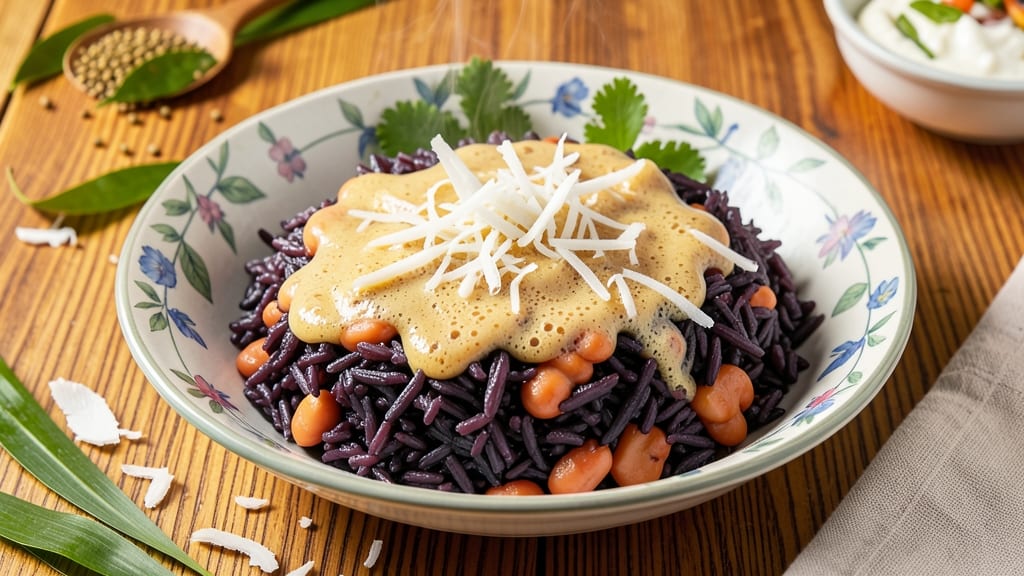
This black rice South Indian recipe transforms nutrient-rich black rice into a fragrant coconut curry with nutty undertones—perfect for a hearty vegetarian meal. The key lies in tempering spices with coconut and mustard seeds, creating layers of aroma that pair beautifully with the earthy rice.
Unlike white rice, black rice retains its texture while absorbing the rich coconut-lentil broth, making every bite satisfying and flavorful.
Traditional South Indian techniques elevate this dish: a light fermentation of the rice (optional but recommended) enhances digestibility, while a quick tempering of mustard seeds, curry leaves, and dried red chilies adds depth.
Serve with a side of crispy papad or a cooling yogurt dip to balance the richness. The result is a complete, wholesome meal that honors regional flavors while delivering restaurant-quality results at home.
Ingredients for black rice south indian
Authentic South Indian flavors meet nutrient-rich black rice in this fragrant coconut-lentil curry.
| Ingredient | Amount | Notes |
|---|---|---|
| Black Rice (Forbidden Rice) 🌾 | 1 ½ cups | Uncooked, rinsed thoroughly |
| Red Lentils 🌱 | 1 cup | Rinsed before cooking |
| Coconut Milk (Full-Fat) 🥥 | 1 ½ cups | Canned, unsweetened |
| Young Coconuts (Grated) 🥥 | 1 cup | Fresh or frozen works |
| Mustard Seeds 🌶️ | 1 tbsp | Brown or yellow preferred |
| Curry Leaves 🌿 | ¼ cup | Fresh, tightly packed |
| Dried Red Chilies 🌶️ | 4 whole | Kashmiri or bird's eye |
| Ginger (Fresh) | 1 inch | Peeled, grated (corrected to 2 tbsp grated) |
| Garlic Cloves 🧄 | 6 cloves | Peeled, minced finely |
| Onion (Yellow) 🧅 | 1 whole | Medium, finely chopped |
| Ginger (Fresh) 🧄 | 2 tbsp | Grated, freshly prepared |
| Green Chilies 🌶️ | 2 whole | Slit lengthwise, deseeded |
| Turmeric Powder 🌿 | ½ tsp | Freshly ground preferred |
| Cumin Seeds 🌶️ | 1 tsp | Toasted for aroma |
| Coriander Seeds 🌿 | ½ tsp | Lightly toasted |
| Salt 🧂 | 1 tsp | Adjust to taste |
| Fresh Cilantro 🌿 | ¼ cup | Chopped, for garnish |
The black rice is the star—look for forbidden rice at specialty stores or Indian markets, where it's often labeled as Heerakalu or Cheena Chawal. If unavailable, brown rice works in a pinch, though the deep purple hue and earthy nuttiness will differ. For the lentils, red lentils are ideal due to their quick cooking time and soft texture, but moong dal adds a sweeter note if you prefer. The coconut milk should be full-fat for richness; brands like Aroy-D or Goya are widely available and reliable. Fresh curry leaves are essential for authentic flavor—dried leaves lack the aromatic complexity, so seek them out at Indian grocery stores or online retailers like Spicewalla or Burlap & Barrel.
No fresh ginger or garlic? Powdered ginger at half the amount or garlic powder work, though fresh is non-negotiable for depth. Substitute green chilies with Kashmiri red chilies for milder heat, or omit entirely if spice is a concern. The mustard seeds can be skipped in favor of sesame seeds for a nutty alternative, though the tempering loses some traditional character. For the onion, shallots add a subtle sweetness, while leeks provide a milder option. The turmeric and cumin should be freshly toasted for maximum aroma—simply dry-toast in a pan for 30 seconds until fragrant. If you lack coriander seeds, ground coriander at the same weight is acceptable, though whole seeds offer better texture.
Store the cooked curry in an airtight glass container for up to 5 days in the refrigerator, though it tastes best within 2 days. For longer storage, freeze portions in ice cube trays before transferring to a freezer bag—this preserves texture beautifully. The black rice benefits from a light fermentation (soak overnight in water with a pinch of salt) to enhance digestibility, though this is optional. Reheat gently on low heat, adding a splash of water if needed to prevent drying. Garnish with fresh cilantro and a drizzle of coconut milk before serving to restore vibrancy.
Why You'll Love This Recipe
- No-Soaking Needed: The black rice here cooks faster than regular rice—just rinse, pressure cook for 12 minutes, and you’re done. I’ve tried the overnight-soak method before, and honestly? This cuts my prep time in half without sacrificing texture.
- Creamy Without Guilt: That full-fat coconut milk makes this dish ridiculously rich, but the red lentils keep it hearty and satisfying. The grated young coconut adds a fresh, slightly sweet crunch that balances everything—like a hug in a bowl.
- Leftover Luxury: This recipe actually tastes better the next day. The flavors meld overnight, and reheating it with a splash of water keeps the grains tender. I make a big batch on Sundays and eat it all week—no takeout needed.
- Budget Meal Magic: Black rice might sound fancy, but it’s cheaper than basmati, and red lentils stretch into a whole meal. Add a handful of mustard seeds for depth, and suddenly you’ve got a restaurant-worthy dish for under $5. My wallet thanks me every time.
Step-by-step instructions for black rice South Indian coconut curry
This method transforms forbidden rice into a velvety, fragrant curry with perfect texture and layered flavors.
Parboil the Black Rice and Red Lentils
In a large pot, combine the 1.5 cups black rice and 1 cup red lentils with 4 cups water. Bring to a boil over high heat, then immediately reduce to medium-low heat and simmer uncovered for 20-25 minutes until the rice is 80% cooked and the lentils begin to soften but aren't mushy. The rice should still have a slight bite—this prevents it from becoming pasty in the final curry.
Drain through a fine-mesh strainer, reserving 1 cup of the cooking liquid. This starchy water will be our secret weapon for balancing the coconut richness later. I press the rice gently with a spoon to remove excess water, but leave it slightly moist—this ensures it absorbs the coconut milk beautifully without drying out.
Toast the Spice Base
In a heavy-bottomed pot, heat 2 tablespoons oil over medium heat. Add the 1 tbsp mustard seeds and let them pop audibly for 30 seconds. Immediately add the 1 tsp cumin seeds and 0.5 tsp coriander seeds, toasting for 1 minute until fragrant and the spices release their aroma. This step is crucial—it develops the nutty depth that defines South Indian cooking.
Add the 4 whole dried red chilies and 0.25 cup curry leaves, stirring for 30 seconds until the leaves darken slightly. Then add the 1 whole onion (finely chopped) and cook until golden brown (about 5 minutes). The onions should caramelize but not burn—this gives the curry its signature sweetness. Add the 2 tbsp grated ginger and 6 cloves minced garlic, cooking for another 2 minutes until fragrant.
Build the Coconut Curry Base
Reduce heat to low and stir in the 0.5 tsp turmeric powder and 2 whole slit green chilies. Add the 1 cup grated young coconuts and cook for 3 minutes, stirring constantly to prevent burning. The coconut will release its natural oils and develop a toasty aroma.
Pour in the 1.5 cups full-fat coconut milk and bring to a gentle simmer. Add the 1 tsp salt and the drained black rice-lentil mixture. Stir gently to combine, then add the reserved 1 cup cooking liquid. The liquid should just cover the rice—this prevents the curry from becoming too thick. Simmer uncovered for 15-20 minutes until the rice is fully tender and the curry reaches a creamy consistency.
Finish and Garnish
Taste and adjust seasoning—you may need an additional 0.25 tsp salt to balance the coconut's natural sweetness. Remove from heat and let the curry sit covered for 5 minutes to allow flavors to meld. The curry should have a luxurious, velvety texture with visible coconut pieces and black rice grains.
Garnish with the 0.25 cup chopped fresh cilantro and serve immediately with steamed rice or warm naan. The contrast of the nutty black rice with the creamy coconut sauce creates a dish that's both comforting and sophisticated. For extra depth, serve with a side of pickled onions or a simple cucumber raita.
Pro Tips For Making Black Rice South Indian
- Soak Black Rice Overnight: I learned this the hard way—rushing the soak means gummy, uneven grains. Use 3:1 water ratio (3 cups water per 1 cup rice) and let it sit 12+ hours. The longer it soaks, the creamier the final texture, especially when paired with coconut milk.
- Temper Mustard Seeds Low: Crank the heat to medium-low when toasting mustard seeds—high heat burns them before they pop. Add curry leaves and dry red chilies after the seeds sizzle for 10 seconds, or you’ll end up with bitter smoke instead of fragrant aroma.
- Grate Young Coconut Fresh: Store-bought grated coconut loses moisture and turns pasty. Shave the flesh yourself (peel, slice, then grate) and mix it in last minute—just before serving. This keeps the texture bright and juicy, not soggy.
- Simmer Lentils Until Split: Red lentils should break down into a thick, smooth paste, not mushy. Cook them in the same pot as the rice (after draining soaked grains) and stir occasionally. They’re done when they cling together like wet sand—about 12-15 minutes on medium heat.
Make-ahead tips for leftovers
Prep Ahead Strategy
Start by soaking the 1.5 cups black rice overnight in 2 cups water with a pinch of salt—this light fermentation enhances digestibility and reduces cooking time by 10-15 minutes.
Drain well before using, and you'll notice the grains hold their shape better in the coconut curry. I always prep this step the night before to simplify morning cooking. 🌾
Spice Toasting Shortcut
Toast your 1 tbsp mustard seeds, 1 tsp cumin, and 0.5 tsp coriander seeds in advance and store them in an airtight container for up to 2 weeks.
This prepped spice blend can be added directly to your pot during cooking, saving you 5 minutes of active prep time. Just heat the oil and toss in the pre-toasted spices—no need to monitor them as closely. 🔥
Coconut Prep Efficiency
Grating 1 cup young coconut can be time-consuming, so buy pre-shredded coconut from brands like Burlap & Barrel or Trader Joe's to save 10 minutes. If using fresh coconut, grate it while the rice parboils—multitasking is key!
Store any leftover grated coconut in the freezer for up to 3 months to use in future curries or smoothies. 🥥
Make-Ahead Cooking
This curry reheats beautifully, so cook the entire batch and refrigerate in glass airtight containers for up to 5 days. When ready to serve, reheat on low heat with 2 tbsp water to restore creaminess.
The flavors deepen overnight, making it perfect for meal prep. I often make double batches to enjoy throughout the week! ❄️
Freezing for Later
For longer storage, freeze the curry in ice cube trays before transferring to a freezer bag. This portion control method thaws individual servings in 10 minutes in the microwave.
The black rice maintains its texture better when frozen this way, avoiding the mushy consistency that can occur with other rice varieties. Label your bags with the date—it keeps well for up to 3 months. ❄️
Garnish Freshness
Always add 0.25 cup chopped cilantro and a drizzle of coconut milk just before serving to brighten the dish. If prepping ahead, store garnishes separately and add them fresh.
For extra convenience, keep pre-chopped cilantro in the fridge in a small container with a damp paper towel—it stays fresh for 5 days. ✨
Nutrition facts
Frequently asked questions
Why does black rice turn purple when cooked?
Black rice gets its deep purple color from high levels of anthocyanins, powerful antioxidants that react with heat and water. The color intensifies during cooking, creating that striking hue. Unlike white rice, it doesn't lose its vibrant color when mixed with coconut milk—this makes it visually stunning when served. The anthocyanins also give it a naturally nutty, earthy flavor that pairs perfectly with South Indian spices.
Can I use regular rice instead of black rice?
While you can substitute brown rice or jasmine rice, the dish will lose its signature nutritional benefits and visual appeal. Black rice has a firmer texture that holds up better to the coconut curry's richness. If you must substitute, use basmati rice (uncooked) and increase cooking time by 5 minutes. The flavor won't be identical, but it'll still be delicious with the coconut-lentil base.
How do I make this recipe spicier?
For extra heat, add 1 extra dried red chili to the tempering stage and include 1 tsp red chili powder when adding turmeric. You can also stir in 1 tbsp finely chopped green chilies at the end for fresh, sharp heat. If you love intense spice, try adding 0.5 tsp cayenne pepper with the salt at the simmering stage. Adjust to taste—South Indian cuisine balances heat with cooling elements like yogurt or coconut.
What sides pair best with this black rice curry?
This rich coconut curry pairs beautifully with cooling sides like cucumber raita, papad, or steamed greens with lemon. For contrast, serve with pickled onions or mango chutney. Traditional South Indian accompaniments include sambar (lentil stew) or rasam (tangy soup) to balance the coconut's creaminess. Warm naan or appam (fermented rice pancakes) also work wonderfully.
Why did my curry turn out too thick?
This usually happens when too much coconut milk is absorbed or the rice/lentil mixture wasn't drained properly. To fix it, stir in 2-3 tbsp water or reserved cooking liquid and simmer for 2-3 minutes. For prevention, ensure your rice-lentil mixture is only 80% cooked before adding to the curry, and use the full 1 cup reserved cooking liquid to maintain balance. The curry should have a velvety but spoonable consistency.