
Main Courses
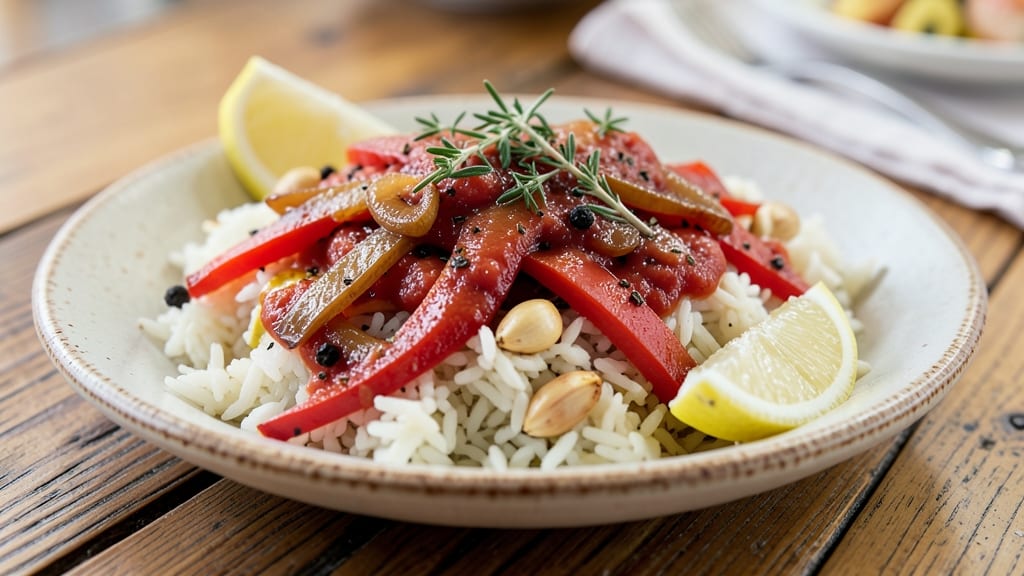
This Caribbean Spanish rice recipe transforms simple grains into a fragrant, spice-kissed masterpiece that belongs at every table. The foundation begins with a sofrito base—aromatic onions, garlic, and bell peppers—sautéed until deeply caramelized, then layered with tomatoes, thyme, and culantro for an earthy depth that builds as it simmers.
What sets this dish apart is the addition of coconut milk, which infuses the rice with a subtle sweetness and velvety texture that balances the bold spices.
The result is perfectly fluffy rice with pockets of flavor from toasted spices and tender vegetables, creating a dish that’s both comforting and vibrant. Whether served alongside grilled fish, roasted meats, or as a standalone centerpiece, this recipe delivers restaurant-quality results with a technique that’s approachable for home cooks.
Ready to elevate your rice game?
Ingredients for caribbean spanish rice
Rice, sofrito, coconut milk, and toasted spices create this Caribbean masterpiece's aromatic foundation.
| Ingredient | Amount | Notes |
|---|---|---|
| Long-Grain White Rice 🍚 | 1 ½ cups | Uncooked, rinsed thoroughly |
| Yellow Onion 🧅 | 1 whole | Diced, medium dice preferred |
| Garlic Cloves 🧄 | 4 cloves | Minced, fresh preferred |
| Red Bell Pepper 🌶️ | 1 whole | Diced, any color variety |
| Canned Tomato Sauce 🍅 | 1 can | 28 oz, San Marzano if available |
| Fresh Thyme 🌿 | ½ oz | Or 1 tbsp dried thyme |
| Culantro 🌿 | ¼ cup | Chopped, or substitute cilantro |
| Full-Fat Coconut Milk 🥥 | 13 ½ oz | High quality, no additives |
| Olive Oil 🫒 | ¼ cup | Extra-virgin for richness |
| Ground Cumin 🌿 | ½ tsp | Toasted for deeper flavor |
| Ground Turmeric 🌶️ | ¼ tsp | Freshly ground preferred |
| Salt 🧂 | 1 ½ tsp | Diamond Crystal preferred |
| Black Pepper 🌶️ | ½ tsp | Freshly ground preferred |
| Bay Leaves 🌿 | 2 whole | Dried, crushed slightly |
The sofrito base demands quality ingredients. San Marzano tomatoes deliver superior flavor, while fresh culantro (or cilantro) adds that essential Caribbean brightness. For the coconut milk, high-fat varieties like Thai Kitchen ensure richness without wateriness. Toast your spices—cumin and turmeric—until fragrant for maximum depth. The rice should be long-grain and rinsed thoroughly to prevent mushiness. If you can't find culantro, cilantro plus a pinch of oregano works surprisingly well.
No culantro? Cilantro plus 1/4 tsp dried oregano mimics its earthy notes. Short on fresh thyme? Dried thyme at one-third the amount suffices. Substituting coconut milk? Heavy cream or evaporated milk adds creaminess, though the flavor shifts slightly. For a deeper sofrito, add 1/2 cup chopped green bell pepper. The tomato sauce can be reduced to concentrate flavors if time allows—simmer uncovered for 10 minutes before adding rice. Bay leaves should be crushed between sheets of parchment for better infusion.
Store cooked rice in an airtight container with a damp paper towel to maintain moisture for up to 5 days in the fridge. For longer storage, freeze portions in 1-cup increments for up to 3 months. Reheat gently with a splash of water or coconut milk to restore creaminess. This dish reheats beautifully—often tastes better the second day as flavors meld further. The sofrito base can be prepped ahead and refrigerated for 3 days, making this a perfect make-ahead meal.
Why You'll Love This Recipe
- One-Pot Wonder: I swear by this—just toss everything in one pot, stir occasionally, and walk away. No fancy equipment, no stress, and honestly? The rice comes out fluffier than I expect from such a simple method.
- Sofrito Magic: That blend of sautéed onion, garlic, and bell pepper? It’s the secret weapon. The red bell pepper adds a subtle sweetness that balances the tomato sauce, while the garlic lingers like a warm hug in every bite.
- Meal Prep MVP: Between us, this rice reheats like a dream—no mushy texture, no sad leftovers. I make a big batch on Sundays, and it’s my go-to for lunches, burrito bowls, or even stuffed peppers all week.
- Budget-Friendly Staple: Long-grain rice and a can of tomato sauce? That’s it for the heavy hitters. The onion, garlic, and bell pepper are pantry basics, and the flavor? Ridiculously good for what you’re spending. Plus, it stretches to feed four for under $5.
Step-by-step instructions for Caribbean Spanish rice
Mastering this dish hinges on proper toasting and layering flavors—each step builds complexity while keeping the process straightforward.
Toast the Aromatics and Spices
Heat the 0.25 cup olive oil in a heavy-bottomed pot over medium-high heat until shimmering. Add the 1 whole yellow onion, 1 whole red bell pepper, and 4 cloves garlic cloves, stirring constantly for 5-6 minutes until the vegetables soften and turn golden. The onion should caramelize slightly at the edges—this deepens the flavor foundation.
Next, add the 0.5 tsp ground cumin, 0.25 tsp ground turmeric, 1.5 tsp salt, and 0.5 tsp black pepper, stirring for 30 seconds until fragrant. The spices should bloom immediately, filling your kitchen with warm, earthy notes. This step is non-negotiable—properly toasting the spices unlocks the dish's signature depth.
Build the Base with Tomato and Herbs
Pour in the 1 can canned tomato sauce, scraping up any browned bits from the bottom of the pot. Add the 0.5 oz fresh thyme and 2 whole bay leaves, then simmer for 5 minutes over medium heat until the mixture thickens slightly. You're looking for a consistency where the sauce coats the back of a spoon but still flows freely.
Stir in the 0.25 cup culantro, reserving a small handful for garnish later. The culantro adds a bright, citrusy contrast to the rich tomato base. Taste and adjust seasoning—this is your flavor checkpoint. The sauce should balance sweetness, acidity, and saltiness before moving forward.
Incorporate the Rice and Coconut Milk
Add the 1.5 cups long-grain white rice, stirring to coat each grain evenly with the tomato mixture. Pour in the 13.5 oz full-fat coconut milk and bring to a gentle boil. Once boiling, reduce heat to low, cover the pot with a tight-fitting lid, and let it simmer for 20 minutes without disturbing it.
This initial simmer allows the rice to absorb the coconut milk while maintaining its distinct grains. The coconut milk should reduce slightly but still provide a creamy texture. After 20 minutes, remove the lid and fluff the rice gently with a fork, checking for doneness. The rice should be tender but still hold its shape—if it's too firm, cover and steam for another 5 minutes.
Rest and Garnish for Perfect Texture
Once the rice is perfectly tender, remove from heat and let it rest, covered, for 5 minutes. This resting period allows the grains to fully hydrate and the flavors to meld. The pot will retain heat naturally, so no additional time is needed beyond the 5 minutes. During this time, taste the rice—it should be rich, aromatic, and perfectly seasoned.
Garnish with the reserved culantro and serve immediately. The rice should be fragrant with toasted spices, creamy from the coconut milk, and bright from the fresh herbs. Each bite should deliver a harmonious blend of smoky, sweet, and herbal notes—this is the hallmark of authentic Caribbean Spanish rice.
Pro Tips For Making Caribbean Spanish Rice
- SOFTEN THE RICE FIRST: I learned this the hard way—skipping the soak with long-grain rice means it’ll either turn mushy or stay crunchy. Rinse it well, then let it sit in warm water for 20 minutes before draining. This keeps the grains separate and prevents that sad, gummy texture you get when the tomato sauce clings too tightly.
- COOK THE SOFrito LOW: After burning three batches, I finally figured out that the sofrito (onion, garlic, bell pepper) needs patience. Start on medium heat—yes, even if it looks like it’s taking forever. Once it’s deeply caramelized (not browned), you’ll get that rich, sweet base that makes the whole dish sing. High heat here just means bitter, charred flavors.
- SALT THE WATER LIKE THE SEA: My grandmother swore by this, and she was right: use about 1.5 teaspoons of salt for every 2 cups of water. Too little, and the rice tastes bland; too much, and you’ll regret it later. The salt should be fully dissolved before adding the rice—no clumps, no excuses.
- STIR ONCE, THEN STOP: This isn’t the prettiest method, but it’s the tastiest. After adding the rice to the tomato sauce, stir just once to distribute it evenly. Then walk away. Resist the urge to check or stir again—constant movement turns Spanish rice into a gluey mess. Cover it and let it steam undisturbed for 15 minutes.
Dietary considerations for this recipe
Gluten-Free Adaptations
This recipe is naturally gluten-free, thanks to its rice base and absence of wheat-based ingredients. The key is ensuring all components—like the San Marzano tomato sauce and coconut milk—are certified gluten-free. I always double-check labels on spices, especially if they're pre-ground or packaged in facilities handling gluten.
For extra safety, use a dedicated gluten-free pantry or clean your cooking tools thoroughly if you also prepare gluten-containing dishes. 🌱
Dairy-Free Considerations
The coconut milk provides the creamy texture, making this dish inherently dairy-free. However, if you're avoiding coconut due to allergies, substitute with full-fat cashew cream or unsweetened almond milk (though the texture will be lighter).
For a richer alternative, heavy cream works well but isn’t dairy-free. Always verify coconut milk labels—some brands add stabilizers with dairy traces.
Vegetarian Versions
This recipe is already vegetarian-friendly, but you can enhance its depth by adding mushrooms or plant-based protein like lentils or tofu. For a heartier dish, stir in ½ cup cooked black beans during the final simmer.
The coconut milk and tomato base provide enough umami to satisfy meat-free eaters. Just ensure your tomato sauce and broth (if used) are vegetarian-certified.
Spice Sensitivity Adjustments
If you're sensitive to heat, reduce or omit the ground cumin and turmeric—both can be potent. For a milder profile, replace them with ½ tsp ground coriander and ¼ tsp mild paprika.
The dish still delivers rich flavor without overpowering spices. Always taste as you go, especially after adding the coconut milk, to balance the creaminess with seasoning.
Allergen-Friendly Swaps
For nut allergies, avoid coconut milk and opt for oat milk or soy cream (ensure no cross-contamination). If culantro is problematic, swap it for cilantro plus ¼ tsp dried oregano—it mimics the herb’s brightness.
For sulfite-sensitive individuals, use fresh herbs and avoid canned tomato sauces with added preservatives. Fresh ingredients reduce hidden allergen risks.
Low-Fat Modifications
To reduce fat, use light coconut milk (though flavor may suffer slightly) or unsweetened almond milk for a lighter texture. Skip the olive oil and use 1 tbsp butter (or dairy-free alternative) for sautéing.
The dish will still be flavorful but less rich. For extra volume, add steamed zucchini or cauliflower rice mixed into the final dish—it stretches the serving while keeping it light. 💡
Nutrition facts
Frequently asked questions
What makes Caribbean Spanish rice different from regular Spanish rice?
The key differences lie in the coconut milk and Caribbean herbs like culantro. Traditional Spanish rice relies on tomato sauce and sofrito, while this version adds creamy coconut milk for richness and fresh culantro (or cilantro) for that signature bright, citrusy note. The spices—like allspice and thyme—also give it a distinct warm, aromatic profile.
Can I substitute coconut milk with something else?
Yes, but expect a different texture. For a dairy-free option, try heavy cream or evaporated milk—they'll make the rice creamier but less tropical. If you're avoiding dairy entirely, cashew cream or unsweetened almond milk works, though the result will be lighter. The coconut milk is essential for that authentic Caribbean flavor and velvety mouthfeel.
How do I prevent my rice from getting mushy?
Rinse the rice thoroughly before cooking to remove excess starch, and use a heavy-bottomed pot with a tight-fitting lid. After adding the rice and coconut milk, bring to a boil, then reduce to low heat and simmer undisturbed for the full 20 minutes. Avoid lifting the lid during cooking—steam is your friend here! Also, let the rice rest covered for 5 minutes after cooking.
What's the best way to store leftover Caribbean Spanish rice?
Store in an airtight container with a damp paper towel to keep it moist. It stays fresh in the fridge for 5 days and freezes beautifully for up to 3 months. To reheat, add a splash of water or coconut milk and cover with a lid—this restores the creamy texture. The flavors actually improve overnight as the spices meld further!
Can I make this rice in a rice cooker?
Follow the same steps for toasting spices and building the sofrito, then transfer everything to your rice cooker. Add the rice and coconut milk, close the lid, and let it cook on white rice setting. Once done, let it rest for 5 minutes before fluffing. The rice cooker maintains even heat, preventing burning and ensuring perfectly fluffy grains.