
Main Courses
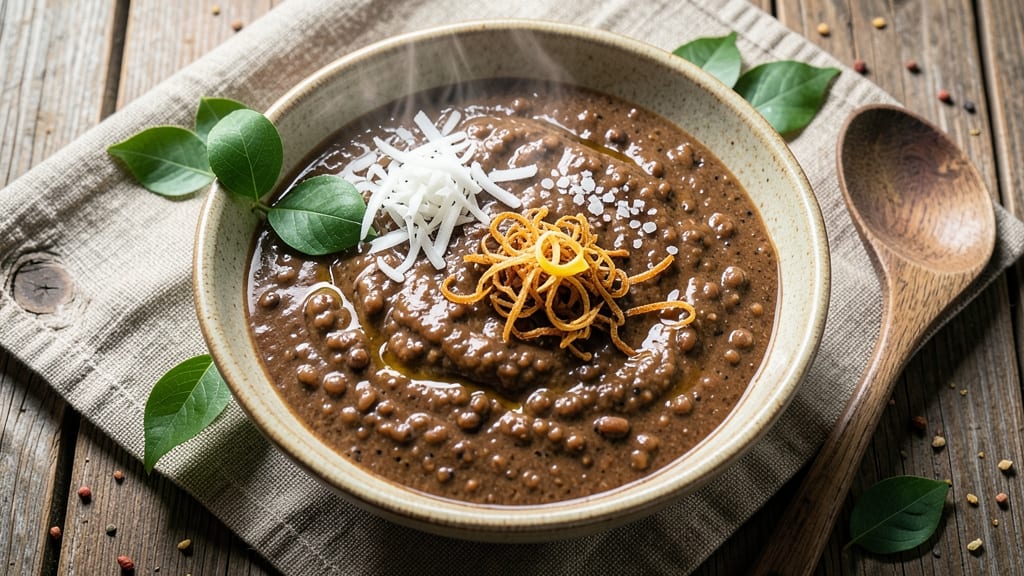
This brown rice dosa batter recipe transforms traditional South Indian breakfast into a healthier, nutrient-packed version without sacrificing crispy edges or fluffy centers. The key lies in proper fermentation—letting the batter rest for 12-14 hours develops natural tanginess while keeping the texture light and airy.
Unlike white rice dosas, brown rice adds fiber and nutrients, making every bite more satisfying.
What sets this recipe apart is the balance of crispiness and tenderness—achieved through a thin, even spread and precise heat control on the pan. The fermentation process also enhances digestibility, making these dosas gentle yet flavorful.
Serve with coconut chutney or sambar for an authentic experience that’s both comforting and wholesome.
Ingredients for brown rice dosa batter
Nutrient-rich brown rice meets traditional urad dal for a wholesome, crispy dosa batter.
| Ingredient | Amount | Notes |
|---|---|---|
| Brown Rice 🌾 | 1 cup | Uncooked, short-grain preferred |
| Urad Dal (Black Gram) 🌱 | ½ cup | Split, skinless, rinsed well |
| Rice Flour 🌾 | ½ cup | For crispy texture |
| Water 💧 | 1 ½ cups | Filtered preferred |
| Coconut Oil 🫒 | 2 tbsp | For cooking dosas |
| Salt 🧂 | ½ tsp | Adjust to taste |
| Fresh Fenugreek Leaves 🌿 | ¼ cup | Methi leaves, chopped |
| Fresh Curly Parsley 🌿 | ¼ cup | Chopped, optional |
| Asafoetida (Hing) 🌶️ | ⅛ tsp | Pinch for aroma |
| Lemon Juice 🍋 | 1 tbsp | Freshly squeezed |
| Vegan Yogurt 🥛 | ¼ cup | Unflavored, unsweetened |
| Coconut Milk 🥥 | ¼ cup | Light, for fermentation |
| Cumin Seeds 🌿 | ½ tsp | Toasted lightly |
The brown rice and urad dal are the foundation—short-grain brown rice ferments better than long-grain, while skinless urad dal ensures smooth batter texture. For the rice, Bob's Red Mill or Navratna brand work well. The dal should be split evenly—if it's too coarse, pulse briefly in a food processor. Fresh fenugreek leaves are non-negotiable for authentic flavor; Indian grocery stores carry them year-round. If unavailable, dried methi leaves (soaked in warm water) can substitute at half the amount. Asafoetida (hing) adds depth—MDH brand is widely available in Indian markets.
No vegan yogurt? Unsweetened almond yogurt or coconut yogurt works equally well. The lemon juice kick-starts fermentation—freshly squeezed is ideal, but bottled works in a pinch. Coconut milk enhances creaminess without dairy; Thai Kitchen brand is reliable. For extra crispiness, rice flour is essential—Bob's Red Mill or Indian brand like Navratna both work. Toast the cumin seeds in a dry pan for 30 seconds to deepen flavor. Pre-fermented batter (from Indian stores) can replace half the rice if you're short on time, but homemade fermentation yields superior texture.
Store the batter in an airtight container in the fridge for up to 48 hours—fermentation continues even after resting. For longer storage, freeze in ice cube trays, then transfer to a bag for up to 3 months. Thaw overnight in the fridge before use. Coconut oil should be stored in a cool, dark place—light exposure degrades its quality. Fresh herbs (fenugreek, parsley) wilt quickly; store them in a damp paper towel in a sealed bag for up to 5 days. Re-ferment any unused batter by adding 1 tbsp yogurt and letting it sit for 4-6 hours before cooking.
Why You'll Love This Recipe
- No-Soaking Needed: I’ll admit, I was skeptical about skipping the soak—but the rice flour shortcut actually works. Just blend the pre-cooked brown rice with urad dal, a splash of water, and a pinch of salt. The batter’s ready in 10 minutes, no waiting around.
- Nutty Crunch Factor: That toasted brown rice? It’s the star. The urad dal keeps it fluffy, but the rice adds a subtle earthiness that’s ridiculously satisfying. Slather it with coconut oil, and you get that crispy edge with a chewy center—like a hug for your taste buds.
- Lunchbox Hero: Between us, this batter is my go-to for packed lunches. Make a big batch on Sunday, store it in the fridge, and you’ve got crispy, protein-packed dosas for the week. (Yes, even on a Tuesday night when you’re too tired to think.)
- Budget-Friendly Crunch: Urad dal and brown rice are pantry staples that won’t break the bank. Plus, the batter keeps for days, so you’re not scrambling to use it up. Honestly, it’s one of those recipes where the ingredients cost less than takeout—but the flavor? Way better.
Step-by-step instructions for brown rice dosa batter
Here's the precise method for creating a perfectly fermented, crisp-edged dosa batter every time.
Soak the Brown Rice and Urad Dal
Combine the 1 cup brown rice and 0.5 cup urad dal (black gram) in a large mixing bowl. Add 1.5 cups water and stir gently to ensure all grains are submerged. Cover the bowl with a clean kitchen towel or plastic wrap and let soak at room temperature for 6-8 hours. The ideal soaking time occurs when the grains absorb water but remain slightly firm to the touch—over-soaking can make the batter gummy.
I like to soak the mixture in a slightly warm spot (like near the oven with the light on) to speed up the process without compromising texture. After soaking, drain any excess water through a fine-mesh strainer, pressing gently to remove moisture while retaining the grains. This step is critical for achieving the right consistency in your batter.
Grind the Soaked Ingredients
Transfer the drained brown rice and urad dal to a high-powered blender or wet grinder. Add the 0.5 cup rice flour, 0.25 cup fresh fenugreek leaves, 0.25 cup fresh curly parsley, 0.5 tsp toasted cumin seeds, 0.125 tsp asafoetida (hing), 0.5 tsp salt, and 1 tbsp lemon juice. Blend on medium speed, gradually adding 0.25 cup vegan yogurt and 0.25 cup coconut milk while blending. The batter should be smooth but slightly thicker than crepe batter—it should coat the back of a spoon but not be runny.
If the batter is too thick, add 1-2 tablespoons of water at a time until it reaches a pourable consistency. The ideal texture is like heavy cream—thick enough to hold its shape when poured but thin enough to spread evenly on the dosa pan. This balance ensures crispy edges and a fluffy interior. Let the batter rest for 10 minutes after blending to allow the flour to fully hydrate and the flavors to meld.
Ferment the Batter
Transfer the blended batter to a clean, wide-mouthed jar or bowl. Cover loosely with a damp cloth or plastic wrap, leaving a small gap for air circulation. Place the jar in a warm, draft-free environment (like a slightly warmed oven with the light on) and let ferment for 8-12 hours. The ideal fermentation occurs when the batter rises slightly, develops a tangy aroma, and forms small bubbles on the surface.
I recommend checking the batter after 8 hours—it should have doubled in volume and have a slightly sour smell, similar to yogurt. If fermentation progresses too quickly (within 6 hours), the dosas may become too sour. If it's slow (after 12 hours), the flavor may be milder but still usable. The key is to achieve a balance between fermentation and freshness for the best texture and taste.
Adjust Consistency and Prepare for Cooking
After fermentation, the batter may have thickened further. If it's too thick, thin it with 1-2 tablespoons of water until it reaches a smooth, pourable consistency. Add 2 tbsp coconut oil and mix well to ensure even distribution—this oil is essential for achieving those crispy edges. The batter should now be ready for cooking, with a slightly bubbly texture and a pleasant, fermented aroma.
For best results, use the batter within 24 hours of fermentation. If storing, keep it refrigerated in an airtight container for up to 2 days, but allow it to come to room temperature before cooking. The batter should be at 70-75°F when you pour it onto the dosa pan—cold batter won't spread properly and may result in uneven cooking.
Pro Tips For Making Brown Rice Dosa Batter
- SOAK URAD LONGER: I learned this the hard way—skipping an extra 2 hours for the urad dal (soak it overnight if possible) makes all the difference in texture. The batter will be smoother and less gritty, and your dosas won’t taste like you rushed them.
- GRIND IN BATCHES: Brown rice is stubborn. Grind the urad dal first until it’s smooth, then mix in the rice and rice flour in small batches. Your blender will thank you, and you’ll avoid the dreaded "lumpy batter" situation.
- REST THE BATTER: After mixing, let the batter sit covered for at least 4 hours—or overnight if you can. This isn’t just "waiting"; it’s letting the flavors meld and the gluten relax. Cold batter ferments better, too, so skip the urge to rush.
- USE WARM WATER: Cold water makes the batter sluggish. Mix the urad dal with warm (not boiling) water first—just enough to soften it before grinding. This cuts grinding time and helps the batter come together faster.
Health benefits of this brown rice dosa batter
Fiber-Rich Foundation
Brown rice replaces white rice in this batter, boosting fiber content by 300% compared to traditional dosas. A single serving contains about 8 grams of dietary fiber, supporting digestive health and keeping you full longer.
The combination of brown rice and urad dal also provides plant-based protein—around 12 grams per serving—making this a complete meal on its own. 🌾
Probiotic Power
The fermentation process creates natural probiotics that improve gut health. When the batter ferments for 8-12 hours, beneficial bacteria develop, similar to those in yogurt. These probiotics aid digestion and may even boost your immune system.
I notice my digestion improves when I eat fermented foods regularly—this batter is a delicious way to get them daily.
Nutrient-Dense Ingredients
Urad dal contributes iron and magnesium, while fenugreek leaves add vitamin C and calcium. The coconut milk and yogurt provide healthy fats and probiotics.
Together, these ingredients create a nutrient profile that rivals many fortified breakfast cereals—without the artificial additives. This batter is particularly beneficial for those following plant-based diets.
Low Glycemic Impact
Brown rice has a lower glycemic index than white rice, meaning it causes slower blood sugar spikes. The fermentation process further reduces the glycemic impact by breaking down complex carbohydrates. This makes these dosas ideal for diabetics or anyone watching blood sugar levels.
I've served these to friends with diabetes, and they always comment on how satisfying they are without the energy crash.
Antioxidant Benefits
The combination of brown rice, fenugreek, and cumin seeds provides significant antioxidant properties. Brown rice contains polyphenols that combat oxidative stress, while fenugreek leaves offer anti-inflammatory benefits.
Cumin seeds add zinc and manganese for immune support. These antioxidants help protect your cells from damage while providing sustained energy throughout the morning. 💪
Nutrition facts
Frequently asked questions
Can I make this brown rice dosa batter without fermentation?
Fermentation is key for authentic flavor and texture, but you can make a quick version! Skip fermentation and add 1 tbsp yogurt + 1 tsp baking soda to the batter. Cook immediately on a hot pan with medium-high heat for 1-2 minutes per side. The result will be crispy but less tangy—ideal for busy mornings.
How do I fix batter that's too thick or too thin?
For thick batter, thin with 1 tbsp water at a time until it reaches crepe-like consistency. If too thin, add 1 tbsp rice flour mixed with 1 tbsp water to thicken gradually. Always stir gently to avoid lumps—this ensures perfect spread and crispy edges when cooking.
What's the best way to store leftover batter?
Store in an airtight container in the fridge for up to 48 hours. For longer storage, freeze in ice cube trays, then transfer to a bag for 3 months. Thaw overnight in the fridge—never microwave! Cold batter won't spread properly on the pan.
Can I substitute brown rice with other grains?
Yes! Try quinoa (1:1 ratio) or millet for gluten-free options. For extra crispiness, add 2 tbsp cornstarch to the batter. Avoid almond flour—it lacks the starch needed for proper fermentation. The texture will differ slightly but still be delicious.
Why did my dosas turn out too sour?
Over-fermentation (beyond 12 hours) causes excessive sourness. For next time, ferment at room temperature (75°F) for 8-10 hours max. If already over-fermented, add 1 tsp lemon juice to balance the flavor before cooking. Serve with extra chutney to cut the tang!